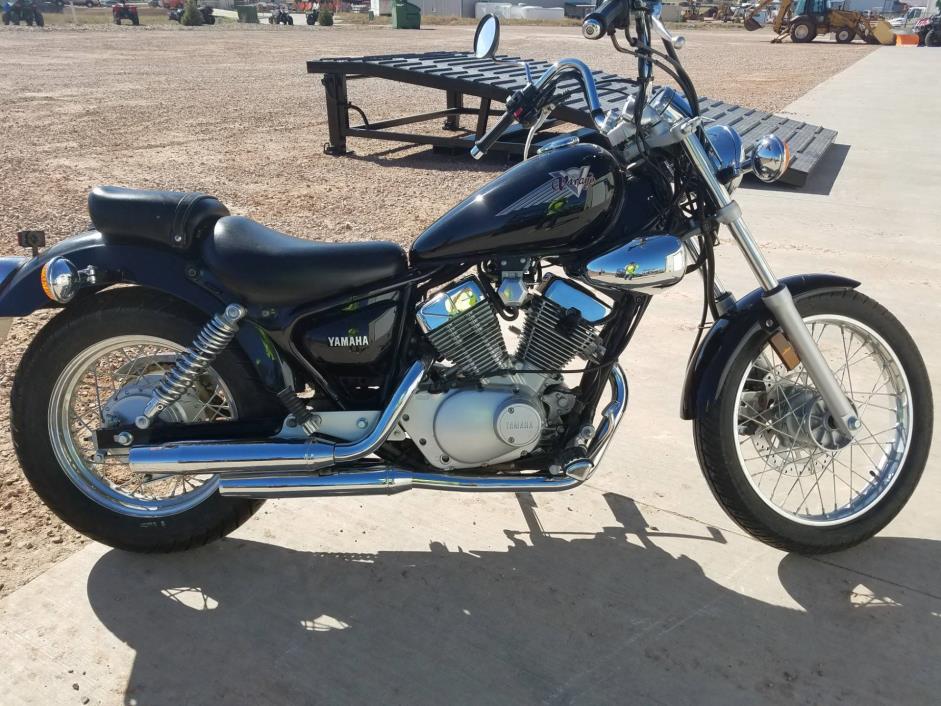
The 2005 Yamaha Virago 250 quietly asserts itself as one of the most enduringly popular choices among beginner cruiser motorcycles, a designation earned not just through mere chance but through a confluence of design philosophy, engineering virtues, and cultural resonance. While on the surface it might appear as just another entry-level bike, the Virago 250 harbors qualities that captivate novices and seasoned riders alike, weaving a narrative of accessibility merged with an unmistakable cruiser charm.
At first glance, the Virago 250’s modest displacement—249 cubic centimeters—might lead some to underestimate its capabilities. Yet, this powerplant, a quintessential single-cylinder air-cooled engine, beats with a steady and reliable pulse, delivering a blend of manageable power and fuel efficiency that is rarely attained in the beginner cruiser segment. Riders frequently observe that the bike’s responsiveness is not merely mechanical; it is almost conversational, inviting new enthusiasts to explore the nuances of throttle control without intimidation. This easy-to-handle motor cultivates rider confidence, laying down a foundation for mastery rather than frustration, a critical element for those embarking on their motorcycling journey.
The design ethos of the Virago 250 speaks volumes about Yamaha’s commitment to tradition and ergonomic consideration. Its low seat height, typically hovering around 27 inches, extends a literal and metaphorical hand to the rider, making ground reach less daunting and maneuverability more intuitive. This dimension proves pivotal in instilling a sense of stability, especially during low-speed maneuvers and stops. The compact frame, combined with a relaxed riding posture, accentuates comfort—another aspect that subtly enhances the allure for beginners who might otherwise be daunted by bulkier competitors.
Yet, it is in the bike’s stylistic fidelity to classic cruiser aesthetics where the deeper fascination lies. The Virago 250 exhibits sweeping lines, a broad teardrop tank, and chrome details that evoke an almost nostalgic reverence for mid-century motorcycling. This deliberate vintage nod serves more than a cosmetic function; it forges a palpable connection to motorcycling heritage, fulfilling an emotional craving in riders who yearn not just for transportation but for identity and experience. The bike is, in this way, a portal—a machine through which one can access an entire culture and lifestyle.
Not to be overlooked is the Virago 250’s surprisingly robust build quality, a trait that garners praise from those who delve beneath the surface. The motorcycle’s simple mechanical architecture translates into ease of maintenance and repair, an essential consideration for beginners who often face the steep learning curve of vehicle upkeep. This simplicity does not imply a lack of sophistication; rather, it represents a thoughtful distillation of function that prioritizes longevity and user-friendliness over needless complexity. The air-cooled engine, for instance, sidesteps the intricacies of liquid cooling systems, thereby minimizing potential technical failures and the requisite specialized servicing.
Interestingly, the Virago 250 embodies a paradox of modesty and charisma. It neither demands the attention commanded by large-displacement cruisers nor succumbs to the anonymity of small engines. Instead, it occupies a sweet spot, balancing approachability with character. For many, the allure transcends mere specifications or performance metrics; it is the intangible sense of belonging to a riding community that venerates bike culture in all its forms. This communal bond, often overlooked in technical discourse, plays an indelible role in fostering rider loyalty and passion.
Examining the Virago 250 in the broader context of the early 2000s motorcycle market reveals Yamaha’s strategic intent. At a time when motorcycle manufacturers were exploring ways to court younger and less experienced demographics, the Virago’s design and pricing positioned it as an inviting avenue into cruiser ownership. This accessibility, however, was not manufactured through dilution; the bike retained the essential cruiser elements—torque-rich engine character, visual heft, and ergonomic familiarity—that motorcycle purists valued. Consequently, the Virago sidestepped the trap of being perceived as a “toy bike,” instead earning respect for authenticity in its segment.
Moreover, the cultural footprint of the Virago 250 extends beyond the motorcycle itself. Its popularity has engendered vibrant online forums, restoration projects, and a cadre of riders who appreciate the machine’s straightforward appeal. This social dimension enriches the experience, offering new owners a wealth of collective knowledge, shared enthusiasm, and camaraderie. It is this collective tapestry that transforms the Virago from a mere vehicle to an emblem of entry-level motorcycling heritage.
While some might argue that technological advances have rendered the Virago 250 somewhat anachronistic—lacking features like fuel injection, ABS, or digital instrumentation—this apparent shortcoming often adds to its charm. Enthusiasts cherish the tactile feedback and mechanical simplicity that modern electronics sometimes obscure. Riding a Virago 250 thus becomes an exercise in pure motorcycling fundamentals: clutch control, throttle modulation, and direct rider-bike interaction, unmediated by electronic aids. In a marketplace inundated with technology, this rawness appeals to those seeking authenticity.
In conclusion, the 2005 Yamaha Virago 250 emerges as a quintessential beginner cruiser not because it is the most powerful or technologically advanced option, but because it encapsulates a harmonious blend of approachability, timeless styling, and mechanical honesty. The bike’s widespread affection among novices and aficionados alike stems from its ability to fulfill practical needs while simultaneously serving as a conduit for a deeper, more meaningful motorcycling experience. For those starting their journey, the Virago 250 does more than teach; it inspires, inviting riders into a world where every twist of the throttle echoes tradition, and every mile traveled cements a personal narrative within the broader cruiser saga.