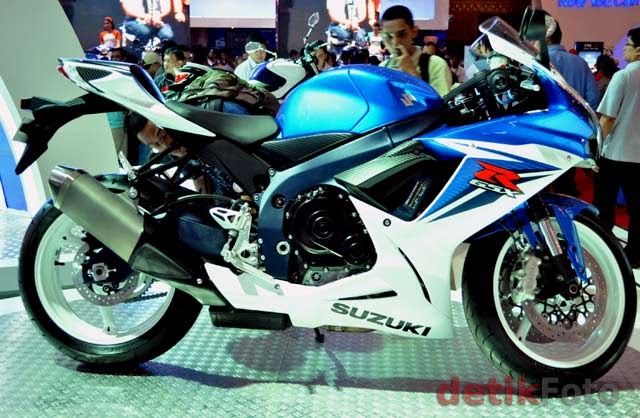
The rivalry between the 2011 Suzuki GSX-R600 and GSX-R750 has long intrigued motorcycle enthusiasts and performance seekers alike. Both represent cornerstones in Suzuki’s legendary GSX-R lineup, renowned for their agility, engineering precision, and aggressive styling. Yet, when placed side-by-side, the question emerges: which model reigns supreme? This comprehensive comparison delves deeply into the nuances that differentiate these two superbikes, examining their design philosophies, mechanical intricacies, riding experience, and practical considerations to help aficionados make an informed decision.
Engine and Performance Dynamics
At the heart of any superbike lies the engine, and so the initial focus naturally gravitates toward the powerplants of the GSX-R600 and GSX-R750. The GSX-R600, with its 599cc inline-four engine, epitomizes precision-tuned middleweight performance. Delivering a spirited output that peaks at around 104 horsepower, it boasts rapid throttle response, justified by its race-bred heritage. This engine is revered for its high-revving nature, easily encouraging riders to push it toward the 14,000 rpm redline, rewarding them with exhilarating acceleration and a drilled sense of control.
Meanwhile, the GSX-R750 comes with a displacement close to 750cc, mounted in a compact chassis akin to its smaller sibling. Traditionally, the 750cc engine blends some of the soul of liter-class bikes with the agility expected from the GSX-R family. In 2011, the GSX-R750 generated approximately 140 horsepower—a significant step up from the 600’s output, emblematic of its role as a bridge between entry-level and full-on superbike classes. The torque curve broadens notably, providing a more substantial midrange punch, which makes the GSX-R750 slightly less reliant on high revs while maintaining ferocious top-end speed.
The mechanical distinction is not solely about peak power but the character each motor imparts. The GSX-R600’s precision-focused engine compels riders to maintain aggressive revs, ideal for track day enthusiasts who favor rigid, unforgiving feedback. Conversely, the GSX-R750 caters to those desiring a more versatile blend of street-friendly torque without sacrificing the sporty adrenaline rush.
Chassis and Handling Philosophy
Compound to the mechanical difference is the chassis setup, which heavily influences how these machines interact with the rider and environment. Both models employ a twin-spar aluminum frame, celebrated for its rigidity-to-weight ratio, augmenting cornering precision and stability at high speeds.
However, the GSX-R600—being lighter and slightly smaller—excels in nimbleness. Its shorter wheelbase and reduced mass make it a ferocious weapon through tight switchbacks and technical circuits. The suspension setup on the 2011 model includes Showa components that provide a balance between race-caliber stiffness and compliance suitable for street use.
The GSX-R750, endowed with a heavier engine, bears a slightly longer wheelbase, which contributes to enhanced straight-line stability at the expense of some quick-turn agility. Its suspension, often tuned marginally softer to accommodate the increased power and weight, fosters confidence during aggressive riding but is slightly less flickable than the 600’s chassis. This makes the 750 ideal for riders who want both thrilling cornering performance and composure on open highways.
Styling and Ergonomics
Visual design and seating comfort are crucial factors, especially for riders who spend extended hours astride their machines. Both the GSX-R600 and GSX-R750 share Suzuki’s signature aggressive aesthetics—sharp angles, aerodynamic curves, and a compact footprint that echo Suzuki’s racing pedigree. The 2011 facelift bolstered both models with sleeker bodywork, LED lighting elements, and refined aerodynamics designed to reduce drag.
Ergonomically, the GSX-R600 features a more aggressive riding position that leans into the sportbike archetype with a relatively high footpeg placement and low handlebars. This setup prioritizes control and weight distribution, demanding a more engaged and athletic posture from the rider. The GSX-R750, while similarly aggressive, offers a touch more room in the cockpit, accommodating riders seeking a balance between track posture and street usability.
Seat comfort on both machines is minimalist, reflecting their performance intent. However, the GSX-R750’s marginally softer saddle and slightly broader seat foam may provide enhanced endurance over longer rides.
Technological Enhancements and Features
In 2011, neither the GSX-R600 nor the GSX-R750 was equipped with advanced electronics such as traction control or ride-by-wire throttles, features more common in later models or premium competitors. However, both bikes benefit from Suzuki’s proven anti-lock braking system (ABS)—a significant safety upgrade for the time—offered as an option in certain markets.
Both models come equipped with fully adjustable suspension, allowing riders to tailor the damping and preload to their preference—a vital feature for track enthusiasts aiming to fine-tune handling characteristics. Instrument clusters provide clear, comprehensive data with analog tachometers augmented by digital readouts for speed, gear position, and other vital info, striking a balance between classic and modern design.
Practicality and Usability
While both motorcycles are steeped in performance, their usability in everyday conditions diverges subtly. The GSX-R600’s lighter weight and smaller dimensions make it easier to maneuver in congested urban settings and lower-speed environments. Its fuel economy is typically marginally better, thanks to the smaller engine, which can appeal to those mindful of operational costs.
In contrast, the GSX-R750, with its larger displacement, consumes slightly more fuel and demands more care when navigating tight city streets due to its size and power delivery. Its throttle response is less abrupt at low revs, lending itself more comfortably to varied riding conditions, including longer highway stints, where its engine breathes freely and provides effortless cruising around the speed limits.
Maintenance and Ownership Considerations
From an ownership perspective, both motorcycles benefit from Suzuki’s reputation for durability and reliability. The 2011 models feature traditional maintenance intervals, with chain adjustments, oil changes, and valve clearance inspections requiring attention at specified periods. Parts availability remains strong, reflecting Suzuki’s widespread presence and the enduring popularity of the GSX-R series.
Costs tend to be comparable, although the GSX-R750’s somewhat more complex engine architecture can translate into marginally higher service charges, especially when attending to engine internals or clutch components. Insurance premiums often reflect the larger displacement and enhanced power of the 750, which might weigh into cost considerations for prospective buyers.
Final Verdict: Which Triumphs?
The 2011 GSX-R600 and GSX-R750 each cater to distinct rider archetypes, making the notion of an outright winner a nuanced one. For those who relish razor-sharp handling, ultra-responsive throttle, and a purist’s invitation to high-rev thrills—especially in academic track environs—the GSX-R600 delivers an intoxicating blend of lightweight agility and racing spirit.
Conversely, riders seeking a more versatile package with greater midrange torque, slightly more comfort, and the ability to handle varied road conditions without sacrificing a thrilling performance edge will find the GSX-R750 more accommodating. It bridges the gap between the middleweight class and larger superbikes, offering a compelling compromise.
Ultimately, the choice hinges on riding style, intended use, and personal preference. Both bikes exemplify Suzuki’s commitment to superbike excellence and have earned their rightful place in motorcycling lore. Whether the nimble GSX-R600 or the brawnier GSX-R750 wins in this duel depends largely on the rider’s priorities—speed, agility, comfort, or versatility.
Whichever model one favors, the 2011 GSX-R lineup stands as a testament to Suzuki’s meticulous engineering and their enduring devotion to performance, crafting motorcycles that continue to captivate enthusiasts around the globe.