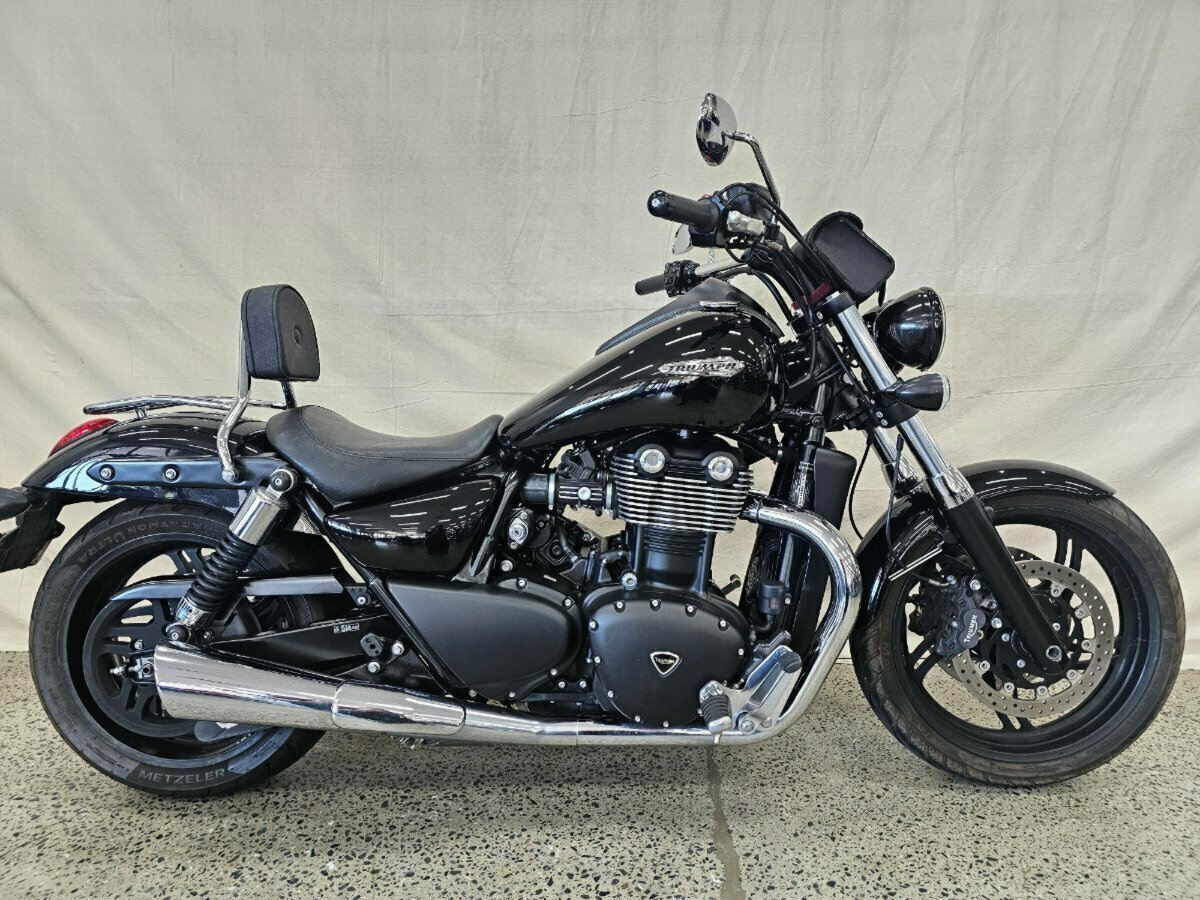
The 2011 Triumph Thunderbird Storm stands as a formidable contender in the realm of big cruiser motorcycles, a machine that commands attention not only through its sheer physical presence but also via its intricate blend of power, heritage, and modern engineering. At first glance, riders and enthusiasts alike are often captivated by the bike’s bold, muscular silhouette—a sweeping expanse of metal, chrome, and blacked-out components coalescing into a visual statement of strength and intent. This motorcycle beckons not merely because of its appearance, but due to a deeper, almost primal allure rooted in the fusion of tradition and innovation that Triumph has so artfully cultivated.
What is it about the 2011 Thunderbird Storm that ignites such fascination? Is it the sensory thrill of the raw displacement or the subtle sophistication embedded in its design? To understand this, one must delve beyond the superficial impressions of a cruiser and explore the nuanced engineering and ethos that define the Thunder Storm as more than just a machine but an embodiment of the big cruiser spirit.
At its heart, the Thunderbird Storm wields a commanding 1,597cc parallel-twin engine, a powerhouse that imparts not just brute force but a charismatic delivery of torque, producing a throaty growl that vibrates through the frame. This engine configuration, somewhat unconventional in the cruiser segment where V-twins dominate, is a testament to Triumph’s refusal to conform, offering a distinctive balance of performance and character. The parallel-twin’s smooth power curve underpins an exhilarating ride, providing prodigious low-end torque that enables effortless acceleration from a standstill as well as sustained vigor at highway speeds.
This engine’s auditory signature plays an indispensable role in the motorcycle’s allure. The sonic texture of the Triumph exhaust is not merely noise; it operates as a language of power and presence. The deep rumble reverberates with a crescendo of mechanical poetry that enchants both rider and onlooker, fostering a sense of connection that transcends the ordinary. This synthesis of sound and sensation is one reason why the Thunderbird Storm has etched itself into the consciousness of cruiser aficionados, encapsulating an experience that is as much about emotion as engineering.
Beyond the engine, the 2011 Thunderbird Storm’s chassis and frame reinforce its identity as a big cruiser designed for commanding road presence and rider confidence. The bike’s substantial weight and length—dimensions that are often cited as impediments in smaller motorcycles—are here transformed into virtues. They create a grounded, stable platform that translates into a poised ride, especially on open highways where the cruiser thrives. The long wheelbase and wide handlebars afford an imposing posture while enhancing rider ergonomics, facilitating extended touring comfort without sacrificing maneuverability in turns and tighter conditions.
The aesthetic choices made by Triumph for the Thunderbird Storm further elevate its stature in the big cruiser category. With a dark, stealth-like palette dominated by matte black and subtle chrome accents, the motorcycle evokes an air of mystery and rebellion. The minimalistic but purposeful styling eschews superfluous decoration in favor of a muscular, streamlined form that highlights the engine and mechanical intricacies. This visual design reinforces the bike’s character—understated yet undeniable, modern yet steeped in classic cruiser heritage.
Complementing the robust hardware are quality components tailored to enhance both performance and rider experience. The suspension system strikes a balance between plushness and firmness, absorbing road imperfections while maintaining feedback that keeps the rider intimately connected to the terrain. Thick, wide tires gripping the asphalt not only contribute to the bike’s commanding demeanor but also deliver stable cornering grip, a crucial attribute given the cruiser’s mass and momentum.
Beyond the tangible attributes, the Thunderbird Storm also satisfies a psychological yearning intrinsic to big cruiser culture. This motorcycle whispers a promise of freedom and adventure, evoking images of endless highways bathed in the amber glow of twilight where rider and machine forge a symbiotic bond. It symbolizes a break from the mundane, an invitation to explore with unabashed confidence and style. The bike’s presence is a dialogue between rider and world—a proclamation of individuality and strength.
The fascination with the 2011 Triumph Thunderbird Storm can also be traced to its place within Triumph’s storied lineage. Triumph motorcycles have long been celebrated for their quintessential British character, blending performance with style and a rebellious spirit. The Thunderbird Storm channels this heritage while pushing the boundaries of cruiser design. Its modernist engine architecture, coupled with traditional cruiser sensibilities, typifies a bridging of eras—where legacy meets contemporaneity in a powerful embrace.
Moreover, the motorcycle’s big cruiser classification situates it within a niche that appeals to a specific rider psyche—those who seek presence over subtlety, torque over high-revving horsepower, and comfort over outright sportiness. The Storm satisfies these desires without compromise, offering a riding experience that is both imposing and refined. It’s a motorcycle that doesn’t merely transport the rider from point A to point B but demands attention en route, transforming every journey into a statement.
In conclusion, the 2011 Triumph Thunderbird Storm is more than a large cruiser; it is an icon of muscular design, mechanical prowess, and evocative character. Its appeal transcends superficial attraction, delving into the realms of sound, sensation, and symbolism. The Storm embodies the quintessential elements that draw riders to big cruisers—the romance of power, the allure of presence, and the call of the open road. In an arena crowded with machines vying for attention, the Thunderbird Storm commands a distinct respect, a testament to Triumph’s masterful synthesis of tradition and innovation.