In the annals of motorcycle history, few machines have managed to capture the imagination and reverence of enthusiasts quite like the 1995 Harley-Davidson Fat Boy. More than just a motorcycle, it embodies a cultural shift, an aesthetic revolution, and a visceral promise of freedom on two wheels. To understand why this particular model has transcended its mechanical purpose to become a legend, one must delve beyond the chrome and steel into the very ethos it represents.
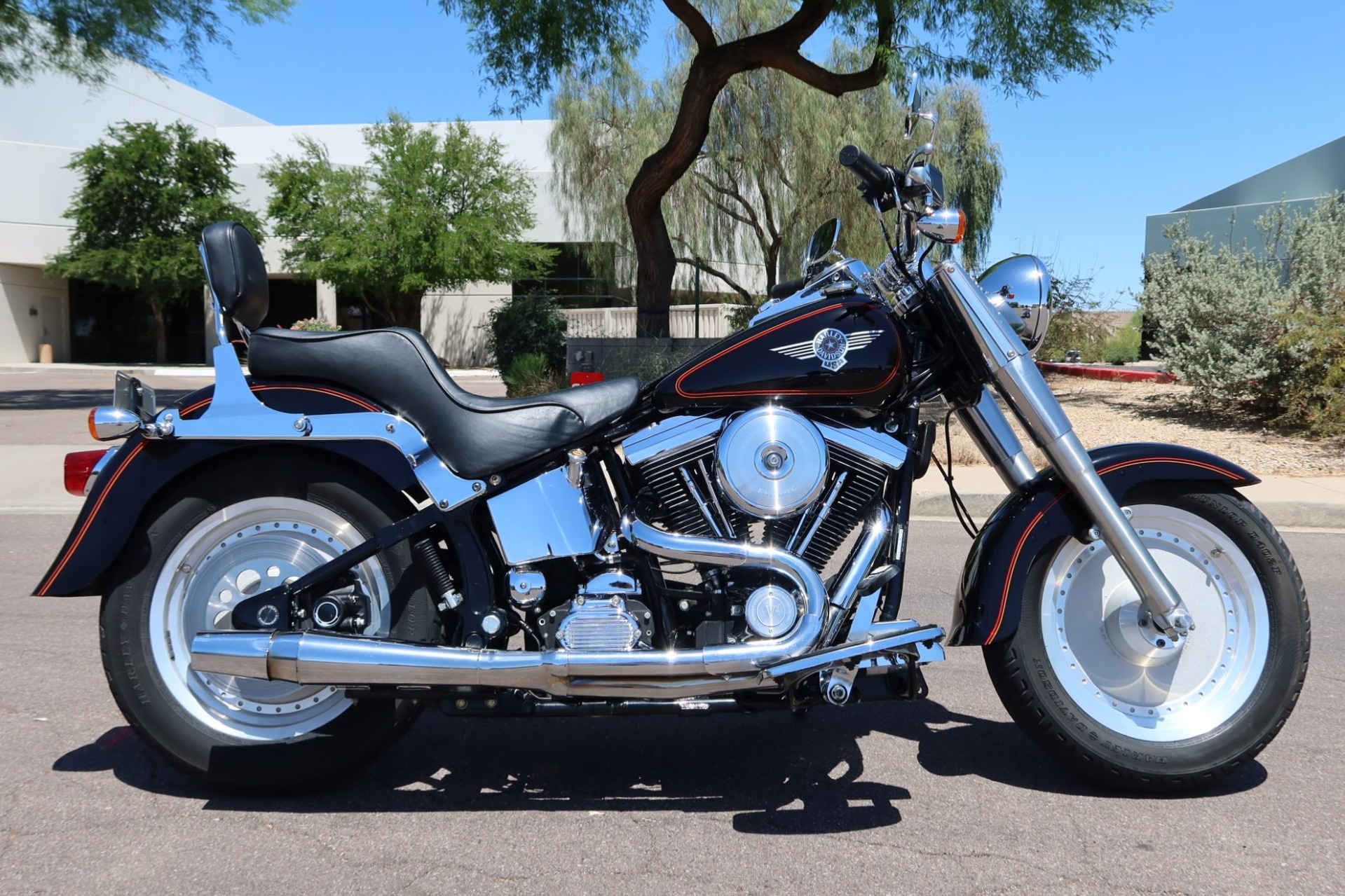
At first glance, the 1995 Fat Boy arrests attention with its sheer presence. Its wide stance and imposing silhouette endowed it with a unique persona amidst the myriad of motorcycles crowding the market. Unlike the lithe and nimble sportbikes, the Fat Boy proclaimed a bold, unapologetic masculinity. The sculpted fat tires, enveloped in solid discs, seemed to defy convention, proclaiming that the road belonged to this hulking beast. The precision-engineered parts were a testament to American craftsmanship, merging reliability with aesthetic grace. However, the motorcycle’s allure goes well beyond its visual bravado.
The mid-1990s were a time of transition for Harley-Davidson. Having prolonged its survival through the late 20th century’s ebbs and flows, the brand sought to redefine itself without compromising its storied heritage. The 1995 Fat Boy served as a pivotal chapter in this narrative, signaling a return to roots while embracing innovation. Its powerful Twin Cam 88 engine, a departure from earlier Evolution motors, delivered remarkable torque and performance, enchanting seasoned riders and newcomers alike. This engineering marvel promised not just power, but a ride steeped in intensity and responsiveness, awakening a dormant passion among its admirers.
Yet, the Fat Boy’s enduring mystique stems largely from its symbolic value. It encapsulates an era when motorcycles were more than transport; they were statements—manifestations of rebellion and individuality. The motorcycle’s design was inherently striking but carried undertones of nostalgia, paying homage to the classic cruiser style of Harley’s golden age while infusing it with contemporary dynamics. This synthesis made it an icon, bridging generations of riders who sought familiarity yet craved novelty.
The visible craftsmanship of the Fat Boy also heralded a renaissance in motorcycle aesthetics. Its polished chrome, smooth contours, and minimalist embellishments eschewed excess, emphasizing form and function in harmonious balance. Riders were drawn to its tactile beauty—how the bike felt beneath their hands, the comforting roar of the engine, and the profound connection forged with the open road. It was a machine that invited exploration, each journey promising discovery and an escape from the mundane.
Moreover, the Fat Boy’s cultural penetration expanded well beyond motorcycle circles. It captured mainstream attention through appearances in pop culture, most famously in a blockbuster film where its distinctive appearance became synonymous with cool defiance. This conferred upon it a mythic status, turning it into an aspirational symbol for countless fans globally. The motorcycle was no longer just a vehicle; it became an iconographic artifact, representing freedom, adventure, and American craftsmanship.
The technological innovations housed within its frame contributed equally to its legendary reputation. The incorporation of advanced suspension systems and braking technology rendered the 1995 Fat Boy a remarkably comfortable and safe cruiser, even by today’s standards. This blend of performance and comfort meant riders could embark on extended voyages without relinquishing the thrill or compromising control. It invited a myriad of experiences, from quiet rural backroads to roaring urban highways, handling each with poise and authority.
The 1995 Fat Boy’s legacy is also entrenched in the community it fostered. Harley-Davidson riders possess a brotherhood that transcends the ride itself—a fraternity bound by shared passion and respect for the machine. This particular model served as a beacon, attracting enthusiasts who found in it a symbol of unity and shared adventure. Clubs formed around these motorcycles, stories exchanged, and lifelong bonds forged on the tarmac and beneath the stars. Owning a Fat Boy became a rite of passage, signaling membership in this exclusive, devoted subculture.
Interestingly, the Fat Boy also represents a paradigm shift in how motorcycles were perceived in the consumer market. It appealed to a diverse demographic—young riders eager to rebel, mature enthusiasts seeking the perfect blend of comfort and muscle, even cultural icons drawn to its aesthetic statement. This broad appeal reinforced Harley-Davidson’s position not merely as a manufacturer but as a purveyor of experience and identity. The Fat Boy wasn’t just purchased; it was embraced as an extension of oneself, a mobile canvas for expression.
In retrospect, the 1995 Harley-Davidson Fat Boy is more than the sum of its mechanical parts and design flourishes. It is a symbol that encapsulates the spirit of its age—a testament to craftsmanship, innovation, and unyielding identity. Whether viewed through the lens of engineering, cultural impact, or rider experience, the Fat Boy stands as an exemplar of what it means to transcend mere transportation and embody legacy.
Today, decades after its initial release, the Fat Boy continues to inspire and captivate. Collectors prize well-preserved models as treasured artifacts, while new generations of riders look to it as a benchmark of style and substance. It serves as a perpetual reminder that greatness in motorcycling arises not just from speed or power—but from an enduring connection between man, machine, and myth. The 1995 Harley-Davidson Fat Boy remains an unapologetic icon, forever etched into the highways and hearts of those who appreciate the unparalleled allure of the quintessential American cruiser.