What if a motorcycle could redefine the very essence of sportbike performance and, in doing so, reshape the landscape of motorcycling forever? The 1996 Honda CBR900RR emerged not just as a competitor in the supersport arena, but as a radical paradigm shift that challenged long-held conventions. It was a machine that beckoned riders and engineers alike to reconsider what a superbike should embody, blending agility, power, and rider-centric engineering in unprecedented ways.
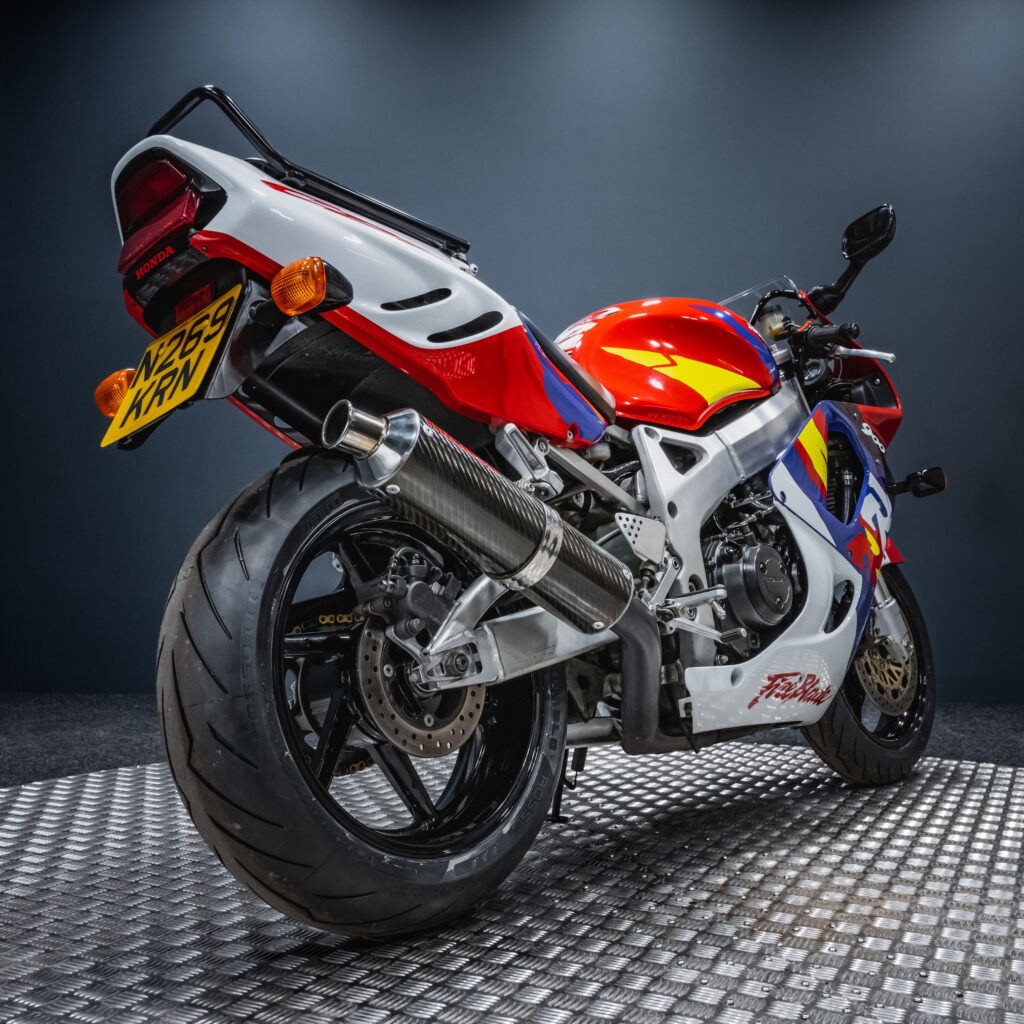
In the mid-1990s, the motorcycle world was a battleground of brute force and muscular, oversized engineering. Supersport and superbikes often boasted massive engine displacement and weighty frames, creating machines that could overwhelm novice riders and alienate those seeking finesse over sheer speed. Into this milieu rode the 1996 Honda CBR900RR, nicknamed the Fireblade—a name that would soon become synonymous with revolutionary design philosophy.
At the heart of the 1996 CBR900RR was a daring concept: to combine potent performance with nimble handling through radical weight reduction and compact engineering. Honda’s engineers focused on defying the mundane equations of more power plus more weight equals better performance. Instead, they crafted a motorcycle with a 893cc inline four-cylinder engine that produced an exhilarating 122 horsepower, yet was nestled within a frame intentionally light and svelte.
The challenge Honda set out to conquer was clear but complex: could a superbike deliver world-class power without succumbing to excess weight that blunted its responsiveness? The answer came through the innovative use of lightweight components, a slimmer chassis, and meticulous attention to aerodynamics. The resulting curb weight of approximately 454 pounds was a revelation at the time—light enough to deliver unmatched agility yet robust enough to unleash serious speed on the asphalt.
To appreciate the significance of the 1996 CBR900RR, one must consider its technical breakthroughs. The engine design was a marvel, blending a high-revving nature with linear power delivery that rewarded the rider’s skill rather than punishing miscalculations. The six-speed transmission was crisp and precise, allowing for rapid gear changes that kept the momentum alive through winding roads and straights alike.
Beyond raw performance, the chassis of the 1996 Fireblade was a masterpiece of engineering prowess. The compact aluminum twin-spar frame enhanced rigidity while minimizing flex, which translated directly to superior cornering stability. This framework worked harmoniously with the fully adjustable suspension system, which provided riders the ability to tailor the motorcycle’s dynamics to their preferences and conditions.
Perhaps the most delightful aspect of the CBR900RR was its handling—there was a playful agility to the way it took to corners, a nimbleness rarely associated with liter-class sportbikes at the time. The motorcycle invited riders to test their limits, encouraging a dance with physics rather than a battle against it. The balanced weight distribution further empowered precise control, creating a synergy between rider input and machine response.
The aesthetic design of the 1996 Honda CBR900RR also echoed its cutting-edge nature. Its sleek, aerodynamic fairings not only reduced drag but offered a futuristic charisma that stood apart from the bulky, aggressive silhouettes common in rival models. The minimalist yet purposeful styling underscored the Fireblade’s emphasis on functional beauty, where form followed the rigorous demands of performance.
It’s worth pondering the cultural ripples this motorcycle set in motion. The 1996 CBR900RR inspired a new generation of superbikes that prized agility and balance over just raw displacement. Manufacturers soon followed Honda’s lead, crafting lighter, more compact bikes that redefined the supersport class. The Fireblade’s success catalyzed innovations that persist today, with even modern sportbikes embodying its spirit of restraint paired with ferocity.
Moreover, the Fireblade cultivated a passionate community of riders who saw in it not just a machine, but an extension of their own skill and ambition. It invited a connection that was visceral and immediate, rewarding finesse and precision, and fostering a deeper appreciation for the subtleties of motorcycling craft. The CBR900RR was more than horsepower—it was an experience, a challenge to the rider’s intellect and instinct alike.
Revisiting the 1996 Honda CBR900RR today, one might ask: how did it manage to feel so revolutionary without being ostentatious? The answer lies in its delicate balance—between power and control, weight and strength, tradition and innovation. The Fireblade refused to be pigeonholed; instead, it championed a holistic approach where engineering and rider engagement converged seamlessly.
Legacy is often reserved for machines that traverse beyond their era, but the 1996 CBR900RR belongs firmly in that rare category. Its impact reverberates in the DNA of contemporary sportbikes, and its principles continue to influence design thinking and rider expectations. The Fireblade did not merely compete; it rewrote the rulebook and dared others to follow.
In retrospect, the 1996 Honda CBR900RR poses an intriguing challenge for today’s riders and engineers alike: can modern machines balance ever-increasing technology with the essence of rider connectivity and spirited engagement? The Fireblade’s example suggests that this balance is not just desirable but essential—a reminder that progress in motorcycling is as much about finesse and philosophy as it is about numbers on a spec sheet.
The 1996 Honda CBR900RR remains an enduring icon, a superbike that truly changed everything. It stands as a testament to what happens when innovation meets audacity—when engineering transcends convention to produce a motorcycle that is not just faster or more powerful, but fundamentally better. For those who seek the thrill of performance married with elegance, the legacy of the Fireblade continues to shine, inspiring riders to push boundaries and embrace the true spirit of motorcycling.