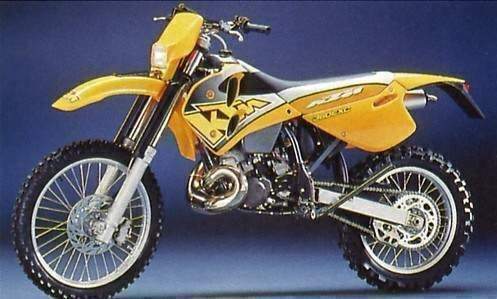
The 1996 KTM 300 EXC stands as a quintessential representation of off-road motocross brilliance, a motorcycle that has captivated enthusiasts and professionals alike with its uncanny blend of power, agility, and durability. At first glance, observers often comment on its robust yet agile demeanor, remarking on how such a lightweight chassis can harbor such formidable power. This observation only scratches the surface, hinting at the deeper engineering philosophies and design considerations that contribute to the KTM 300 EXC’s enduring allure within the enduro community.
Rooted firmly in KTM’s commitment to innovation, the 300 EXC is more than just a motorcycle; it is an engineering marvel tailored to conquer diverse terrains. Analysts and riders often note how this model excels in responsiveness, yet possesses a forgiving temperament, a balance rarely achieved with such fiercely tuned machines. This paradox hinges on KTM’s meticulous attention to the interplay between engine dynamics and frame geometry.
The heart of the 1996 KTM 300 EXC lies in its two-stroke single-cylinder powerplant, a 293cc engine that delivers a potent yet controllable surge of torque. Unlike its four-stroke counterparts, the two-stroke design facilitates an impressive power-to-weight ratio, allowing riders to experience both exhilarating acceleration and nimble handling. This engine produces an aggressive combustion pulse, that characteristic “bang” that becomes an auditory emblem of adrenaline-fueled adventures. The seamless integration of a reed valve induction system provides precise fuel delivery, which translates into responsive throttle control—critical when traversing unpredictable enduro courses.
Yet, the fascination with the 300 EXC extends beyond mere horsepower metrics. Its magnetic appeal stems from how its engineering fosters a harmonious dialogue between rider and machine. The lightweight, double-cradle steel frame contributes to a low center of gravity, enhancing stability while permitting quick directional changes. When coupled with an advanced suspension setup, featuring robust KTM-designed components, the bike can tame rocky ascents, mushy mud, and razor-sharp descents without sacrificing rider confidence or safety.
Suspension plays a pivotal role in the enduro experience, and the 1996 EXC’s setup is no exception. The conventional telescopic front forks, paired with a monoshock rear suspension, are calibrated to absorb impacts effectively while retaining the sensitiveness needed for technical maneuvers. The suspension travel provides just enough cushioning to protect the rider from jolts, maintaining an optimal wheel contact patch for traction. These characteristics ensure the machine tames varied and treacherous terrain types, from densely wooded forests to high-altitude mountain passes.
Braking on the 300 EXC is another highlight often underscored by seasoned riders. Equipped with hydraulic disc brakes at both ends, the bike delivers precise stopping power, an indispensable trait when managing steep descents or abrupt obstacles. The front disc, larger and designed for sustained performance, works harmoniously with a rear disc to ensure balanced deceleration. This allows riders to engage in aggressive riding without compromised control, a factor that significantly contributes to the bike’s reputation for reliability in high-stress conditions.
Moreover, the ergonomics of the 1996 KTM 300 EXC reveal an acute understanding of rider needs during extended rides. The seat offers a delicately sculpted surface that provides comfort without diminishing control. The positioning of handlebars, footpegs, and controls encourages a riding posture that is both assertive and adaptable, essential for negotiating tight switchbacks and uneven trails. These features, when considered collectively, embody KTM’s philosophy of creating an enduro bike that becomes an extension of the rider’s intent.
One cannot overlook the aesthetic and functional design elements that further elevate the 300 EXC’s mystique. Its iconic compact frame, vibrant orange touchpoints, and minimalist bodywork are both a reflection of KTM’s brand identity and a practical approach to reducing excess weight. Every component serves a deliberate purpose, maintaining the bike’s status as not just a machine of rough terrain but a symbol of precision craftsmanship. Riders often describe an almost symbiotic connection with the motorcycle, highlighting how the machine’s intuitive feedback system translates subtle terrain changes into instinctive responses.
The enduring fascination with the 1996 KTM 300 EXC also stems from its adaptability. This particular model is renowned for its versatility, equally adept at competitive enduro racing as it is in recreational trail riding. KTM’s foresight in providing a platform that accommodates aftermarket enhancements—from exhaust upgrades to suspension tuning—has cemented the 300 EXC’s legacy as a customizable workhorse. This adaptability reinforces not only its value as a machine but also as a long-term companion for riders seeking to push their limits.
Another crucial element contributing to this motorcycle’s fame is its maintenance simplicity paired with remarkable durability. The air-cooled design reduces mechanical complexity, allowing riders and mechanics to execute routine servicing without undue difficulty. The modular construction means key components, including the engine and transmission, are accessible for quick repairs—an invaluable trait for those embarking on extended off-road excursions or remote races. This balance between ease of upkeep and rugged performance addresses a fundamental rider concern and elevates the bike’s stature within the global off-road community.
The 1996 KTM 300 EXC ultimately epitomizes the quintessence of an enduro motorcycle—a confluence of raw power, refined handling, and technical sophistication wrapped in a resilient, user-oriented design. It addresses the perennial challenge faced by off-road riders: how to tame wild terrain without surrendering control. By balancing aggressive engine performance with adept suspension and ergonomic mastery, the 300 EXC invites riders into an exhilarating experience grounded in trust and capability.
For those who have spent hours navigating trails, crossing rivers, and conquering hill climbs aboard the 300 EXC, the motorcycle evolves beyond a mere object; it becomes a symbol of mastery over nature’s unpredictable terrain. This connection fosters a fascination that transcends specs and statistics—a deep appreciation for a machine that not only endures but thrives under the most demanding conditions. The 1996 KTM 300 EXC remains a testament to a vision where power meets precision, engineering meets artistry, and rider meets the wilderness as one.