The 1997 Harley-Davidson Fat Boy is more than a motorcycle; it is a symbol etched deeply into the fabric of American motorcycling culture. Revered for its distinctive design and formidable presence, it occupies a unique space where aesthetics meet raw power. This machine is not merely a mode of transport but an icon that encapsulates a pivotal era in Harley-Davidson’s history, embodying an amalgamation of tradition and innovation. Exploring why the 1997 Fat Boy rose to such prominence reveals layers of technical prowess, cultural significance, and enduring appeal.
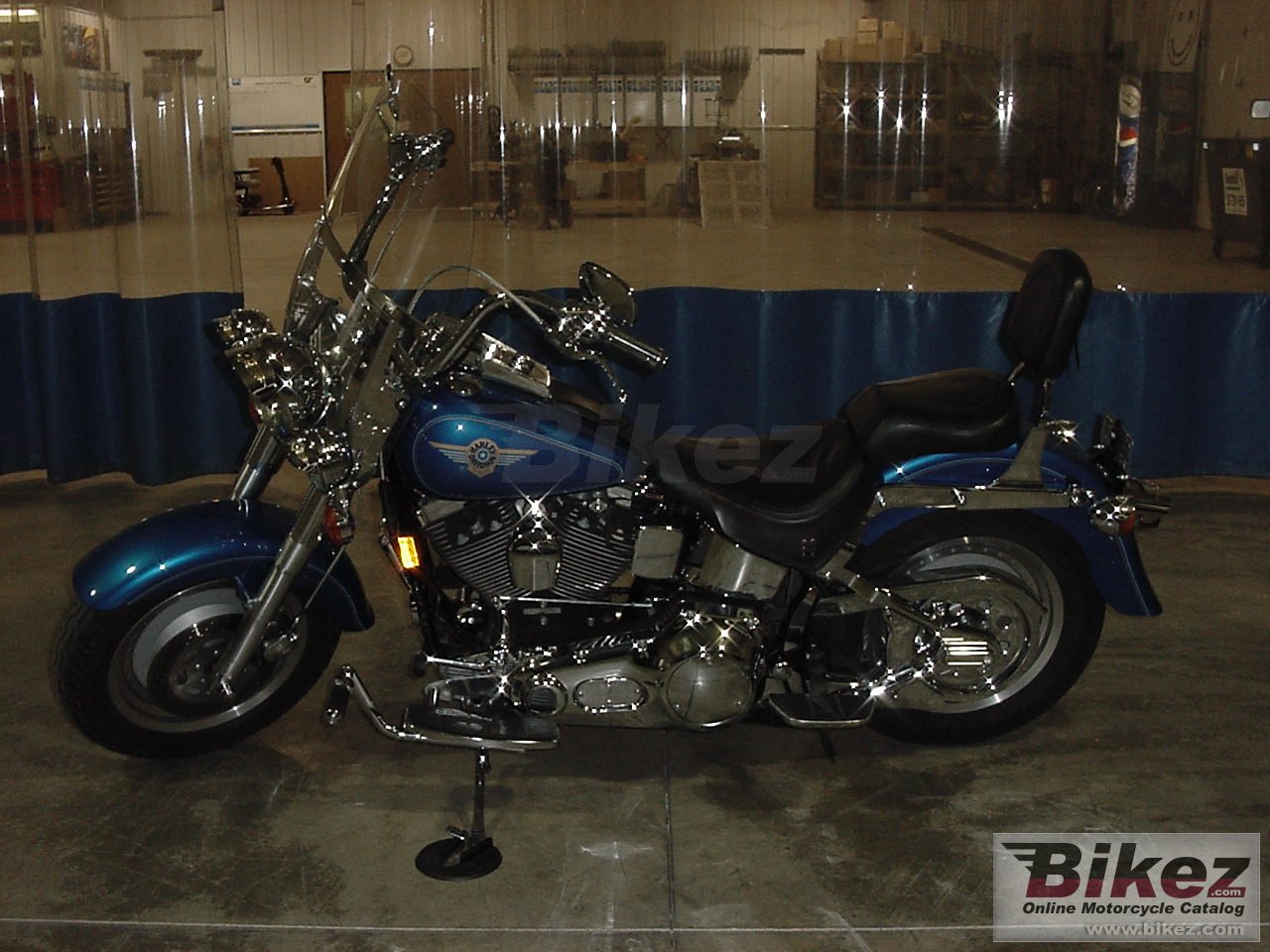
At first glance, the Fat Boy’s design commands attention with its muscular stance and bold silhouette. The 1997 model retained the trademark wide front fork and hefty construction that earned the name “Fat Boy.” Unlike the slimmer, more streamlined motorcycles typical of its time, the Fat Boy flaunted substantial 16-inch solid disc wheels—a daring departure from conventional spoked ones—imbuing it with an unmistakable bulk that suggested durability and power. Its matte finishes and billet aluminum components reflected meticulous craftsmanship, highlighting careful attention to detail. The minimalist yet aggressive styling attracted riders who wanted a bike that looked as formidable as it performed on the open road.
Beneath its robust exterior lies the legendary Evolution V-Twin engine, a mechanical marvel that powered Harley-Davidson’s resurgence during the 1990s. In the ’97 Fat Boy, the 1340 cc 45-degree air-cooled V-Twin produced credible torque and a satisfying rumble—a visceral soundtrack synonymous with Harley rides. This engine was not only reliable but also relatively easy to maintain, a boon for motorcycle enthusiasts who prized both performance and practicality. The engine’s character was as much about emotional engagement as it was about technical specifications; the deep, throaty exhaust note became a defining auditory signature, resonating on highways and in city streets alike.
The Fat Boy was also emblematic of Harley-Davidson’s commitment to heritage while embracing modernity. During this period, the company was navigating the challenges of increasing competition and globalization. The ’97 Fat Boy exemplified a successful blend of classic Harley styling cues with advancements in chassis rigidity and suspension technology. Its solid frame and beefy suspension components translated to a stable and absorbing riding experience, capable of handling long distances with relative comfort. This fusion invited both seasoned riders loyal to tradition and newcomers eager for a commanding ride.
Beyond its mechanical and aesthetic attributes, the 1997 Fat Boy gained monumental cultural traction. Its prominent appearances in popular media underscored its status as a cultural icon. Few motorcycles had such immediate recognizability or secured such a place in cinematic history. The Fat Boy became a symbol of rebellion and freedom, traits deeply embedded in the American psyche concerning motorcycling. The bike’s broad popularity extended beyond just motorcycle aficionados, appealing to a broader audience fascinated by its imposing design and the lifestyle it represented.
One of the exceptional qualities of the 1997 Fat Boy is its versatility in the narrative of motorcycling. It could be appreciated through multiple lenses: a mechanical enthusiast sees precision engineering; a design student notes the use of bold, geometric shapes balancing function and visual weight; a cultural historian perceives an emblem of late-20th-century Americana; and a daily rider experiences the undeniable thrill of commanding a motorcycle that feels both rugged and refined. This multifaceted allure is part of what solidifies the Fat Boy’s iconic status.
In terms of rider experience, the ’97 Fat Boy offered a tactile connection with the road. This was no sanitized, electronically mediated journey. Instead, it was a pure, analog experience where the rider felt directly attuned to the machine’s feedback. The heavyweight and low center of gravity contributed to stable handling, but also invited skilled riders to become intimately familiar with the intricacies of balance and momentum. While the bike might appear daunting to novices, experienced riders cherished the tangible sense of mastery it demanded and rewarded.
The year 1997 also marked a significant moment concerning Harley-Davidson’s broader market strategy and brand identity. The Fat Boy played a crucial role in diversifying Harley’s lineup, appealing to those who desired something more substantial and visually arresting than the traditional cruiser. Its intrinsic boldness challenged the marketplace, setting the stage for subsequent innovations and inspiring future models. The Fat Boy’s success demonstrated that motorcycle enthusiasts sought not just performance, but presence and personality.
Moreover, the Fat Boy’s build quality and aesthetic longevity contributed to its status as a sought-after collector’s piece decades later. Its components, from the signature disc wheels to the chiseled gas tank and brushed metal finishes, have aged with a patina of authenticity that only enhances desirability. Ownership transcends mere commuting or leisure; it is participation in a storied legacy. The continued reverence in motorcycle circles and enthusiasts’ communities reflects the bike’s sustained impact, underscoring how design and engineering coalesce to create something truly timeless.
In conclusion, the 1997 Harley-Davidson Fat Boy achieved icon status through a synthesis of daring design, powerful mechanical engineering, cultural resonance, and an unmistakably visceral riding experience. It stood as a bold proclamation of Harley-Davidson’s renewed vitality in the 1990s—a machine that spoke to the primal yearning for freedom on two wheels while affirming the brand’s commitment to quality and tradition. For many, the Fat Boy continues to represent the quintessence of American motorcycling, an emblem of individuality and rugged elegance that refuses to fade into obscurity.