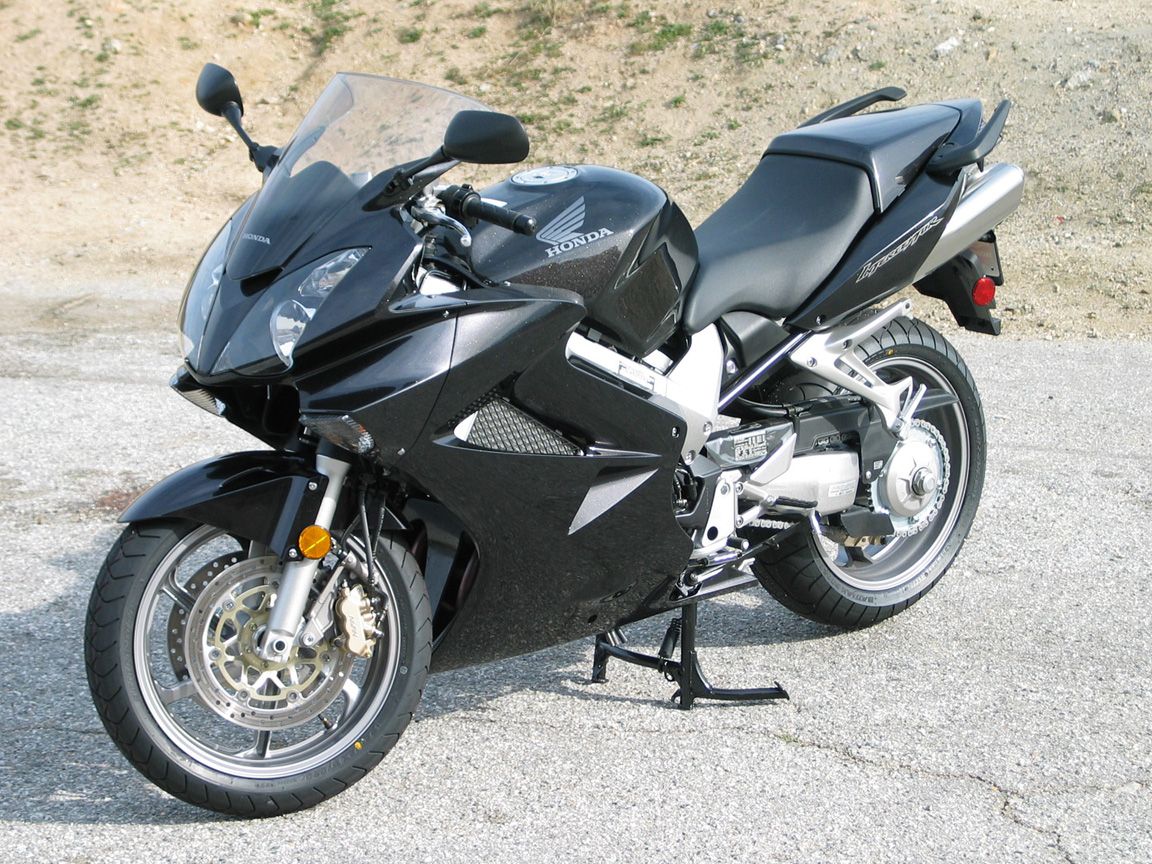
Is it possible for a motorcycle to strike the perfect equilibrium between thrilling performance and everyday practicality, or does every superbike inevitably lean towards one extreme? The 1999 Honda VFR800 boldly steps into this debate, offering a compelling answer through its unique blend of engineering prowess and rider-focused design. This model, emblematic of Honda’s forward-thinking approach at the cusp of the millennium, epitomizes balance in a market often characterized by compromise.
From the outset, the 1999 VFR800 commands attention not just through its aesthetic allure but by the promise of versatility embedded within its architecture. Unlike sportbikes exclusively designed for raw speed or touring models indulging in comfort at the expense of agility, the VFR800 navigates the middle ground with remarkable finesse. Its crimson-hued fairings and sculpted fuel tank hint at an aggressive spirit, yet the silhouette remains approachable, suggesting a machine crafted to entice both seasoned enthusiasts and pragmatic commuters alike.
At the heart of this motorcycle lies its V4 engine, a configuration that has long been lauded for its harmonious blend of power delivery and compact dimensions. The 781cc aluminum-alloy powerplant produces a spirited 100 horsepower, a figure that magically balances punch without veering into intimidation territory. What makes this particularly striking is its character: responsive yet smooth, capable of thrilling sprints yet manageable in dense urban settings. Such a balance invites riders to explore an array of riding conditions without feeling overmatched.
Yet, raw power alone does not define the VFR800’s essence. The engineering team at Honda imbued this model with nuanced attention to chassis dynamics and suspension tuning that enhances its riding confidence. The twin-spar aluminum frame offers a rigidity that bolsters precision handling while maintaining enough compliance to absorb road imperfections gracefully. The fully adjustable suspension system enables riders to tailor the ride quality, proving invaluable whether carving mountain roads or cruising highways.
One might wonder: how does the VFR800 address the challenge of rider ergonomics without compromising style or performance? Herein lies another testament to its well-rounded nature. The seat height of around 31.3 inches balances accessibility for a broad range of riders with sufficient ground clearance to negotiate spirited cornering. Additionally, the rider triangle—comprising seat position, handlebar reach, and footpeg placement—strikes a middle ground that supports both aggressive riding postures and longer, more relaxed journeys. This consideration enhances comfort without dulling the motorcycle’s sporty DNA.
A pivotal aspect often overlooked when assessing balanced motorcycles is the integration of technology and features that improve usability without inundating the rider. The 1999 VFR800 embraces this philosophy through thoughtful details such as the Pro-Arm single-sided swingarm. Not only does this design simplify rear wheel removal and maintenance, but it also serves an aesthetic purpose, lending a distinctive visual identity that distinguishes the machine from its contemporaries. Such innovation exemplifies the model’s commitment to blending form and function seamlessly.
Another noteworthy element is the electronically controlled fuel injection system, a relative novelty at the time, which elevated throttle response and fuel economy. This technology underlines the VFR800’s role as a motorcycle for the modern rider—one who values not just speed but efficiency and reliability. Furthermore, the inclusion of anti-lock braking systems (ABS) on certain variants reinforced its safety credentials, enabling riders to harness its spirited performance with greater confidence in diverse conditions.
However, mastery of balance is not simply about mixing features but about how they synergize to create a cohesive riding experience. For the 1999 VFR800, this synergy manifests in its commendable weight distribution and manageable curb weight. Weighing in at just under 480 pounds, it avoids the bulkiness of full touring bikes but maintains enough mass to feel planted. This equilibrium fosters an intuitive connection between rider and machine, making the VFR800 responsive and predictable—qualities that enhance both pleasure and safety.
Performance on paper can be impressive, but the true testament to balanced design lies in day-to-day usability. Seasoned riders often report that the VFR800’s engine character alleviates the common jarring surge typical of inline-four engines, thanks to its uniquely configured V4 layout. The result is an engine that sings in the midrange, offering ample torque for overtaking maneuvers without excessive revving. This not only reduces rider fatigue over extended distances but also amplifies the motorcycle’s adaptability across scenarios—from spirited canyon rides to mundane commutes.
Still, does this equilibrium come without sacrifices? Purists might argue the VFR800 does not possess the razor-sharp edge of purpose-built race replicas nor the plush indulgence of dedicated touring machines. Yet, such critiques overlook the core virtue of this model: versatility. It challenges riders to reconsider the dichotomy between sport and utility. Instead of confining riders to a single category, the 1999 VFR800 offers a compelling portfolio of attributes that embrace multiple facets of motorcycling culture.
In essence, the 1999 Honda VFR800 defies the notion that performance and practicality must exist in contention. Instead, it illustrates how meticulously crafted engineering and thoughtful design can harmonize seemingly contrasting priorities. This motorcycle beckons to those who ask, “Can I have a bike that thrills me without demanding a specialist’s expertise?” The answer lies beneath its streamlined fairings—a machine that respects both the heart’s desire to race and the mind’s wish for reason.
In retrospect, the VFR800 stands as a benchmark for balanced motorcycles, a timeless example of how innovation and insight can create a machine resolutely tuned for an all-encompassing riding experience. Whether carving twisty backroads, navigating the daily grind, or embarking on weekend getaways, this model remains a testament to Honda’s quest for equilibrium—a quest that continues to inspire riders yearning for a motorcycle that truly fits every facet of their journey.