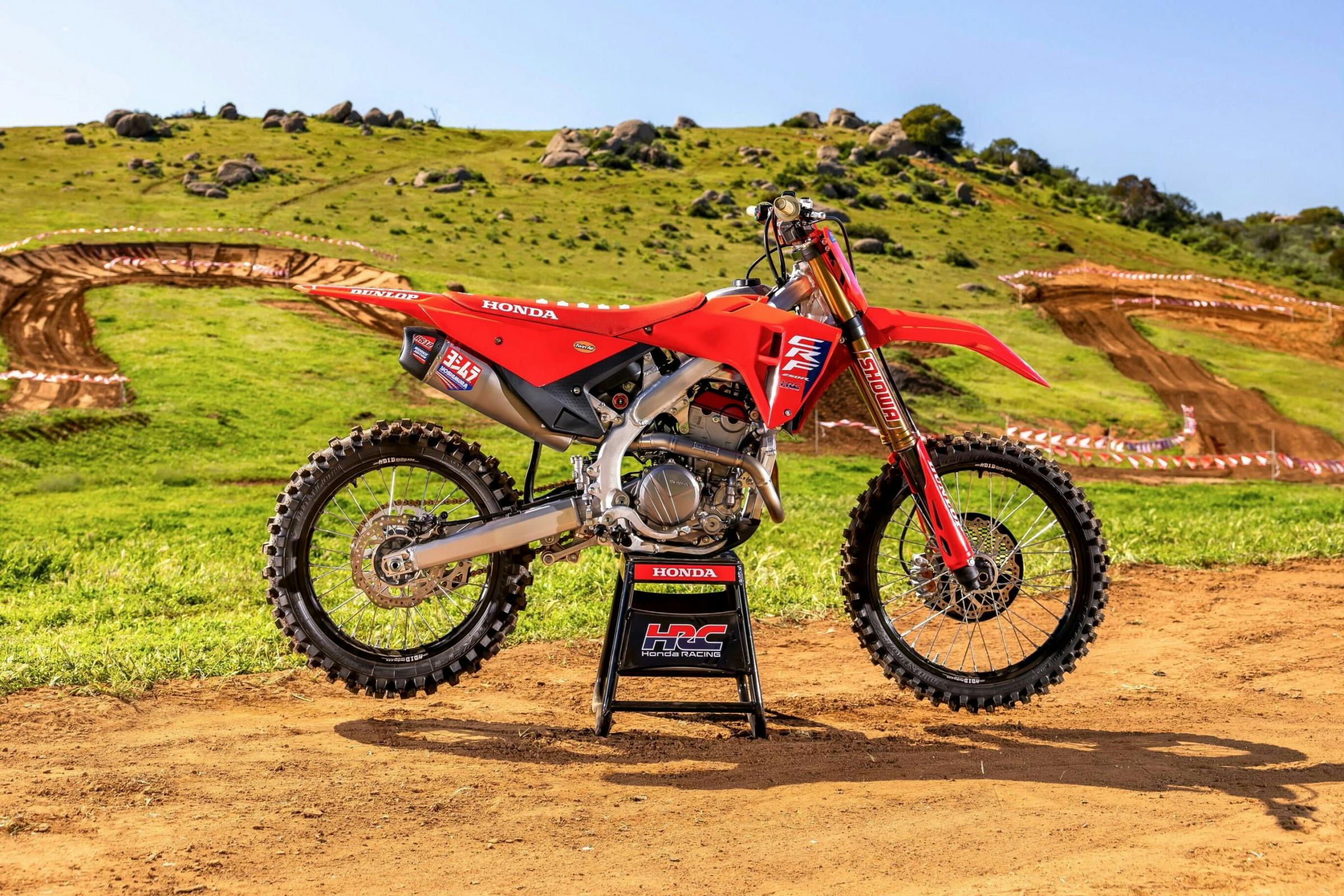
The 2000 Honda CRF250 stands as a pivotal milestone in the storied lineage of motocross evolution. Emerging at the dawn of a new millennium, this motorcycle synthesizes a decade of engineering advancements and racing expertise into a machine designed to elevate both amateur and professional riders. Its introduction not only redefined Honda’s approach to off-road motorcycles but also marked a significant leap in performance, reliability, and rideability for the CRF series.
The distinctive architecture of the 2000 Honda CRF250 is an intricate tapestry of innovations, weaving together chassis dynamics, engine sophistication, and ergonomic precision. At its core lies a 249cc liquid-cooled, single-cylinder four-stroke engine, meticulously engineered to deliver a harmonious balance between raw power and controllable torque. This displacement was finely tuned to adhere to competitive regulatory frameworks while harnessing maximum output from a lightweight, agile platform.
Further accentuating its motocross aptitude is the refined aluminum twin-spar frame, a departure from heavier steel predecessors. This design profoundly improved torsional rigidity and reduced overall mass, fundamentally transforming handling characteristics. Riders experienced enhanced responsiveness and superior cornering precision, essential traits for conquering demanding race tracks and rugged terrains alike.
Complementing the frame is a sophisticated suspension system, featuring inverted telescopic front forks and a Pro-Link rear mono-shock unit. These components offered remarkable adjustability, enabling customization to suit varying rider preferences and course conditions. The hydraulically dampened forks soaked up brutal landings and rough surfaces, while the rear suspension maintained consistent traction, fostering confidence during aggressive maneuvers.
In examining the 2000 CRF250’s ergonomic considerations, Honda prioritized rider interface and control. The seat height and shape were calibrated to optimize weight distribution and facilitate fluid movement over jumps and sprints. The lightweight composite plastics not only contributed to shedding unnecessary pounds but also provided durability against the rigors of motocross competition. The compact handlebar layout ensured precise steering input without sacrificing leverage.
A notable facet of the 2000 model was its advanced fuel injection system. As one of the early adopters of electronic fuel injection (EFI) in motocross bikes, Honda enhanced throttle response and improved fuel efficiency. EFI technology enabled precise metering of air-fuel mixtures across diverse environmental conditions, granting riders consistent performance at altitude, in heat, or humidity. This advancement reduced the need for constant carburetor tuning, a boon for racers wanting to focus on riding rather than mechanical adjustments.
The braking architecture deserved equal admiration. The CRF250 incorporated twin disc brakes—front and rear—using hydraulic calipers that delivered formidable stopping power and modulation. This arrangement enhanced safety margins and permitted riders to brake later into corners, an edge often decisive in competitive racing. The large diameter discs and braided brake lines ensured sustained performance during the most grueling events.
From a technological perspective, the 2000 CRF250 also foreshadowed emerging trends in motocross machine design. The integration of lightweight materials such as magnesium and titanium in select components exemplified Honda’s commitment to weight reduction without compromising durability. These materials contributed to an efficient power-to-weight ratio, essential for explosive acceleration and nimble agility on twisty circuits.
Delving into the performance metrics, the engine produced an impressive horsepower figure in the realm of mid-30s at high RPMs, accompanied by a broad torque curve that maintained tractability through varying throttle inputs. The transmission, a 5-speed manual gearbox, was engineered with tight tolerances and smooth engagement, facilitating rapid gear changes during intense racing scenarios. The sprocket ratios were optimized for quick acceleration, yet the design allowed for reel-in top-end speed when necessary.
Moreover, the 2000 Honda CRF250 was lauded for its reliability and ease of maintenance, traits often overlooked but paramount in the demanding world of motocross. Honda’s engineering ethos ensured that wear-prone elements such as chain tensioners, air filters, and clutch assemblies were readily accessible and robust. This attention to detail translated into reduced downtime and longer service intervals, which proved invaluable for racers and weekend warriors alike.
The visual aesthetic of the 2000 CRF250 also contributed to its enduring appeal. Bold, aggressive bodywork with sharp lines expressed a poised yet feral demeanor. The red, white, and black color scheme not only echoed Honda’s iconic racing heritage but also offered high visibility on the track. Despite its competitive design focus, the motorcycle maintained a degree of styling sophistication, making it a coveted machine among enthusiasts beyond pure racer demographics.
In the broader context of motocross evolution, the 2000 Honda CRF250 played a transformative role. It bridged the gap between traditional two-stroke dominance and the rising prevalence of four-stroke engines. This shift redefined racing strategies, shifting emphasis from high-revving bursts of power to sustained, manageable throttle control. Honda’s CRF line spearheaded this revolution, and the 2000 model encapsulated the culmination of learning and technological adoption that would influence subsequent generations of dirt bikes.
Riders who embraced the CRF250 found a machine that excelled across diverse discipline applications—whether in tight Supercross arenas, rugged enduro trails, or extended motocross circuits. Its versatility and balanced nature made it an indispensable tool for skill development, allowing novices to learn techniques on a forgiving yet potent platform, while providing seasoned racers with the competitive edge needed for podium finishes.
As motocross continues to evolve, the legacy of the 2000 Honda CRF250 remains etched in the annals of off-road motorcycling history. Its blend of engineering innovation, performance sophistication, and user-centric features forged a template that subsequent manufacturers emulated and refined. The CRF250 did not merely participate in the evolution; it catalyzed transformation, setting new standards for what a motocross machine could achieve.
In conclusion, the 2000 Honda CRF250 stands as a testament to Honda’s engineering prowess and commitment to advancing motocross technology. It represents a harmonious fusion of power, control, and reliability, which redefined the parameters of off-road racing during a critical juncture. Its influence resonates through modern dirt bikes, continually shaping the trajectory of motocross as a sport and lifestyle.