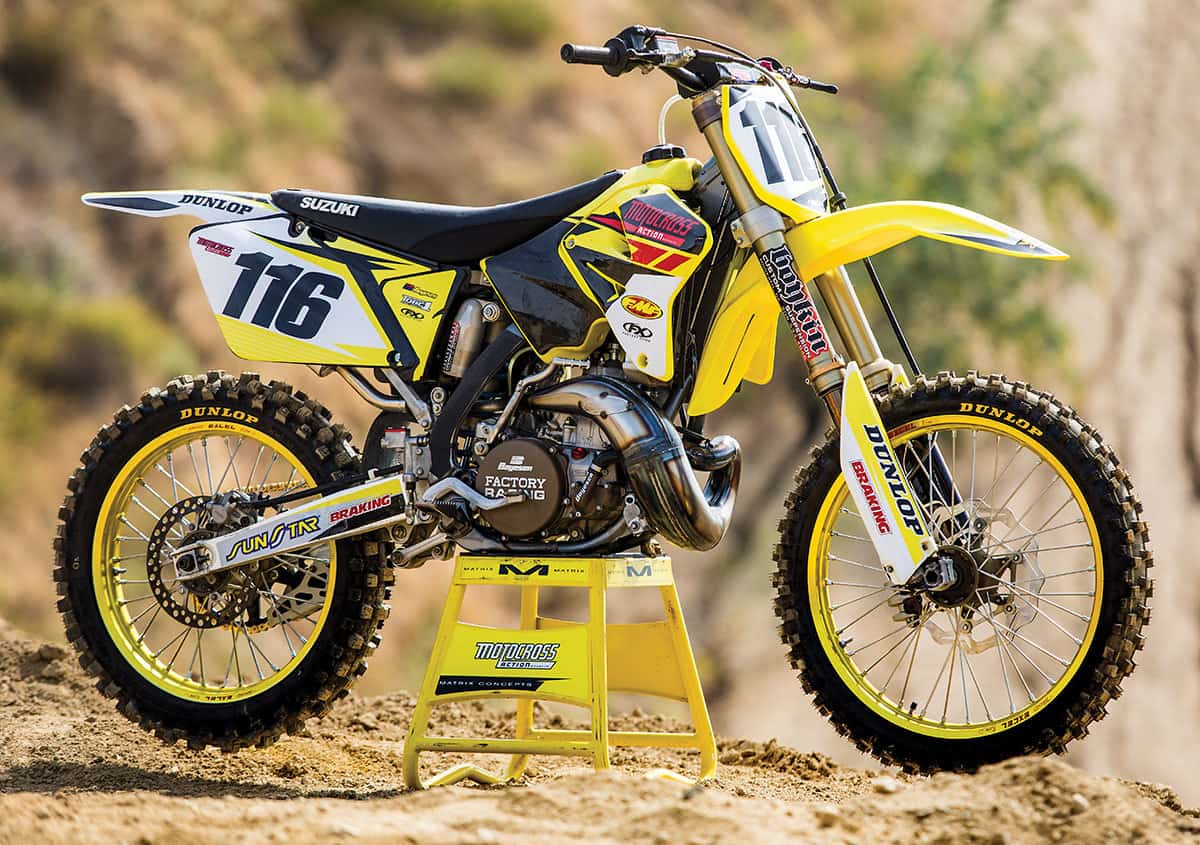
Is the 2001 Suzuki RM250 truly the quintessential 2-stroke motocross machine, or does it merely masquerade as a relic of an era gone by? To enthusiasts, the RM250 isn’t just a motorcycle—it is a symphony of engineering elegance combined with raw, unfiltered power. This machine embodies everything that made 2-stroke motocross bikes legendary, delivering an intoxicating blend of agility, explosive acceleration, and a visceral riding experience that modern four-strokes often struggle to duplicate.
From the moment the RM250’s compact frame appears on the track, its aggressive stance and nimble silhouette demand attention. The 2001 iteration of Suzuki’s RM250 drew heavily from a rich lineage of competitive racing, where every gram of weight and every millisecond of throttle response was meticulously engineered for performance supremacy. Its lightweight chassis is a marvel of precision, constructed to offer maximum maneuverability without sacrificing structural integrity or rider confidence. Crafted from high-grade aluminum alloy, the frame sails deftly through tight corners and bumpy terrain alike, like a dancer poised perfectly on two wheels.
Underneath this sleek exterior lies a potent 249cc liquid-cooled, single-cylinder 2-stroke engine. The combustion chamber, meticulously sculpted, metamorphoses raw fuel into an inferno of controlled chaos. When the rider twists the throttle, the RM250 unleashes a surge of power that is both immediate and exhilarating. Unlike the torquey, bruising pull of many four-strokes, this 2-stroke motor offers a peaky, fiery burst high in the RPM band, rewarding riders who can master its tricky powerband. This characteristic thrust makes it an ideal weapon for explosive sprints through whoops and rhythm sections where timing and throttle control reign supreme.
However, does this very nature pose a daunting challenge? The RM250 demands more than just casual engagement. Its power delivery is unforgiving to the inattentive or inexperienced, often resulting in sudden wheelies or engine stalls if the clutch and throttle aren’t harmonized perfectly. The tradition of 2-strokes, rich with rapid bursts and hard hits, means that the rider must maintain an intimate dialogue with the machine—learning its quirks, anticipating its behavior, and mastering its pulse. Many capable riders cherish this intimacy, finding in it a pure connection between man and machine, but others might find it intimidating, if not downright capricious.
The suspension system on the 2001 RM250 is equally tuned for precision. Upfront, the inverted telescopic forks deliver supple compliance and sharp feedback, while the rear utilizes a sophisticated linkage system equipped with a monoshock, tuned to absorb the punishing impacts of motocross tracks. The balance between stiffness and suppleness ensures the rider can maintain momentum over rough terrain, yet still carve razor-sharp lines when needed. This suspension synergy enhances the bike’s agility, allowing it to dance through sections where larger, heavier counterparts falter.
What separates the RM250 from competitors of its era is also its celebrated handling dynamics. The geometry strikes a delicate equilibrium between stability and responsiveness—a rider’s sweet spot for technical riding. The relatively narrow width, combined with a lowered center of gravity, grants the RM250 the ability to change directions like a predator stalking its prey. Whether negotiating tight switchbacks or launching off jumps, the bike’s chassis invites erratic yet controlled movements, imperative in a sport where micro-adjustments can mean the difference between winning and wiping out.
The aesthetics of the 2001 Suzuki RM250 should not be overlooked. It wears its heritage proudly, embodying the quintessential dirt bike look of the early 2000s with a bold, purposeful design. The minimalist bodywork, bright Suzuki yellow plastics, and subtle graphic touches complement the bike’s functional ethos. Every contour and curve is purposeful—minimizing weight while maximizing airflow around the rider and mechanical components. This design ethos is as much about utility as it is identity, offering a form that invites the thrill of the outdoors without unnecessary distractions.
Maintenance and rider responsibility also form a crucial part of the RM250’s narrative. Two-stroke engines, especially ones as finely tuned as this, necessitate more frequent servicing and a keen mechanical understanding. The expansion chamber on the exhaust, the intricacies of the carburetor jetting, and the need for proper oil-fuel mixtures mean that this motocross beast requires vigilant care to perform optimally. For some, this might be a hurdle; for others, a cherished ritual that deepens the appreciation and connection with their machine. The need for periodic rebuilds, addressing wear on piston rings or spark plugs, ensures that the relationship between rider and bike is continuously nurtured—a testament to commitment and skill.
In racing conditions, the 2001 RM250 consistently proved itself to be a formidable contender. Its nimbleness on technical tracks and robust power delivery made it a weapon in the hands of those willing to tame its wild spirit. However, the very characteristics that made it alluring also rendered it less forgiving compared to the emerging four-stroke alternatives. As the motocross world evolved, with shifting regulations and technological advancements, the RM250 increasingly became a niche treasure—still beloved, but less ubiquitous on premier tracks.
Yet, one might wonder: does the RM250 still hold relevance in today’s motocross landscape, or has it inevitably succumbed to the march of progress? For purists and aficionados of two-stroke racing, it remains an irrefutable icon. Its analog charm and distinctive powerband present a riding experience unattainable by modern counterparts. Moreover, it fosters a unique camaraderie among enthusiasts who appreciate the bike’s quirks and the skills required to harness them. In that sense, the 2001 RM250 endures not merely as a motorcycle but as a symbol of passion, mastery, and the relentless pursuit of adrenaline-fueled excellence.
In the final reckoning, the 2001 Suzuki RM250 is more than just a machine—it’s a vivid chapter in motocross history, brimming with challenges and rewards in equal measure. Its playful question to riders—do you dare to master the wild pulse of a true 2-stroke beast?—remains ever relevant. For those willing to accept the gauntlet, the RM250 offers unparalleled thrills wrapped in the raw essence of motocross tradition.