The 2004 Suzuki GSX-R series represents a significant milestone in the world of sportbikes, appealing to riders who seek aggressive performance paired with refined engineering. Both the GSX-R600 and GSX-R750 from that year offer compelling features, yet they cater to subtly different rider preferences. When deciding between these two iconic machines, it’s important to unpack their nuances, technical specifications, riding experience, and market positioning. This exploration will guide enthusiasts and prospective buyers alike through a comprehensive comparison, helping to determine which model suits specific riding styles, budgets, and expectations better.
Engineering and Performance Characteristics
At the heart of each bike lies Suzuki’s renowned inline four-cylinder engine, but the displacement sets these motorcycles apart. The 2004 GSX-R600 is powered by a 599cc, liquid-cooled, DOHC engine revered for its high-revving nature and nimble throttle response. This powerplant is tuned to deliver crisp acceleration and an exhilarating top-end rush, making it particularly appealing for riders who favor precision and agility.
Conversely, the GSX-R750 boasts a larger 750cc engine offering more torque and broader power delivery. This unit offers a more balanced combination of mid-range grunt and top-end power, providing a versatile riding experience capable of both spirited road riding and track abuse. The engine architecture allows the 750 to bridge the gap between the lightweight 600 class and the formidable liter bikes, serving as a middle ground for those seeking a bit more performance without the intimidation factor.
Both models leverage Suzuki’s prowess in chassis design, incorporating aluminum twin-spar frames that prioritize rigidity and weight savings. The GSX-R600, being slightly lighter, lends itself to sharper handling and swift directional changes, ideal for twisty roads or technical circuits. The 750, while marginally heavier, compensates with increased stability at higher speeds and a planted feel on straights, favored by riders who require confidence in a broader range of conditions.
Suspension and Braking Systems
Suspension components on both the GSX-R600 and GSX-R750 reflect Suzuki’s commitment to sportbike dynamics. The front forks are of the inverted type, providing enhanced rigidity and feedback, yet differences exist in spring rates and valving that tailor each model’s ride quality. The GSX-R600’s suspension tends to be firmer, encouraging aggressive cornering and quick transitions. Meanwhile, the GSX-R750’s setup is slightly more compliant, providing a degree of comfort on longer rides without sacrificing agility.
Braking systems are robust across the lineup, with dual front disc brakes and a single rear disc presented on both motorcycles. This configuration delivers powerful stopping force essential for high-performance riding. Disc sizes and caliper designs are closely matched, ensuring that either choice offers confident and predictable braking – a critical factor for riders prioritizing safety alongside performance.
Ergonomics and Rider Experience
Rider posture on the 2004 GSX-R600 leans towards a sporty, race-inspired stance. The seat height, handlebar positioning, and footpeg placement combine to provide a crouched, aggressive riding position that supports precise control and weight distribution. This setup favors riders who enjoy carving through corners at high speed and are comfortable with a more focused, somewhat demanding seating arrangement.
The GSX-R750 adopts a very similar ergonomic blueprint, but the slightly larger frame and longer wheelbase allow for a more accommodating seating posture for taller riders or those preferring marginally less aggressive body positioning. This subtle difference can translate into enhanced endurance on longer rides, making the 750 sometimes a preferred choice for riders intending to transition between daily riding and occasional track days.
Design and Aesthetic Appeal
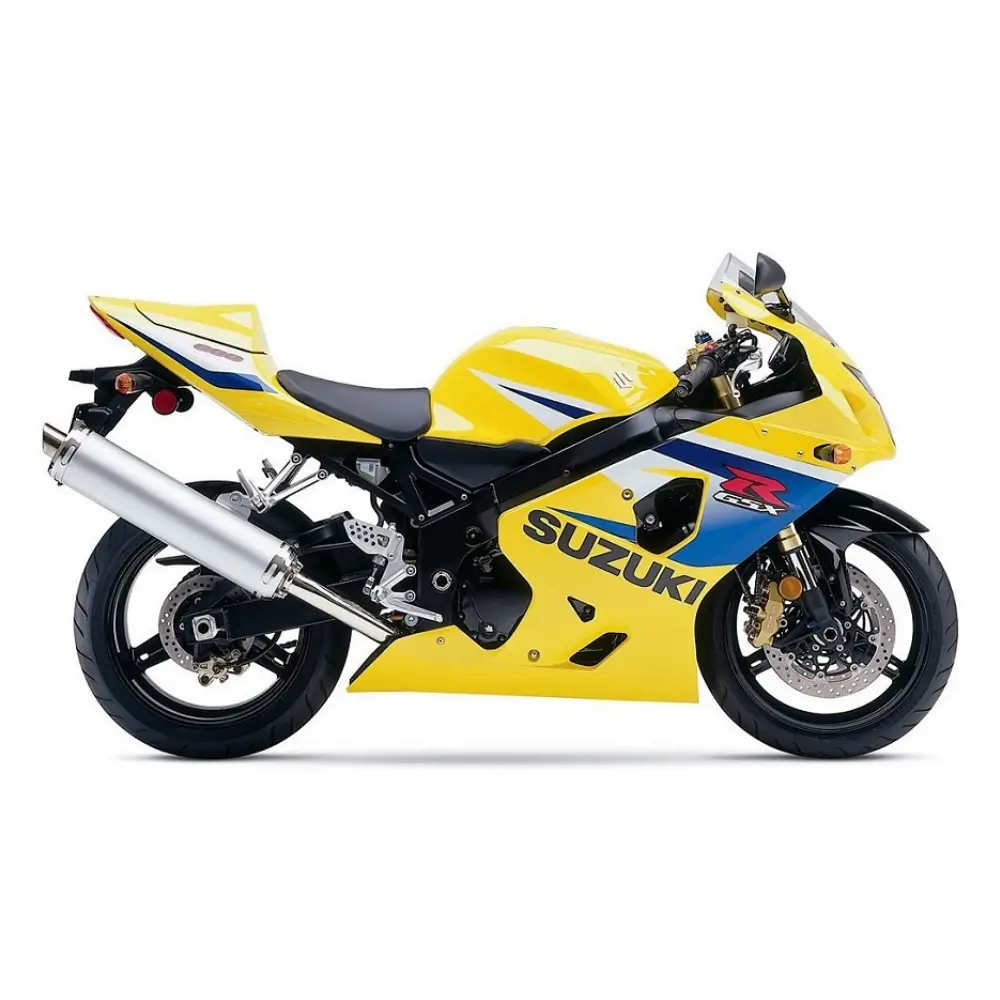
Both motorcycles showcase Suzuki’s signature GSX-R styling of the era: aggressive lines, streamlined fairings, and purposeful aerodynamics. The 2004 models exhibit sharp angles and a compact silhouette, emphasizing performance and speed. Minor cosmetic differences in decals and proportions help distinguish the 600 and 750 from each other, but overall, each bike retains an unmistakable visual identity that speaks to their heritage and intent.
The color schemes and graphic treatments of the 2004 lineup often appeal to riders drawn to classic sportbike authenticity. Whether it’s the clean blues, whites, or blacks, the bikes are designed to command attention on the road while signaling their sporting capabilities.
Practical Considerations and Market Position
From a pragmatic perspective, the 2004 GSX-R600 often emerges as the more budget-friendly option in terms of initial purchase price, insurance rates, and maintenance costs. The smaller displacement also means marginally better fuel economy and potentially lower consumable expenses. This model is ideal for younger riders or those who emphasize affordability without a significant sacrifice in performance.
The GSX-R750, on the other hand, holds a niche appeal as a somewhat rare breed in the middleweight sportbike market. It is often favored by enthusiasts who want a unique blend of power and agility but might not have the desire or experience to jump into a liter-class superbike. Resale values for the GSX-R750 may reflect its desirability as a collector’s item or a transitional bike that fills a particular sweet spot, potentially justifying the higher upfront expense.
Both bikes benefit from Suzuki’s expansive aftermarket support, ensuring owners can fine-tune suspension, upgrade exhausts, or customize aesthetics with ease. Availability of parts and community knowledge also make maintenance less daunting, whether for weekend tuners or daily commuters.
Which One Should You Buy?
Choosing between the 2004 Suzuki GSX-R600 and GSX-R750 ultimately hinges on the rider’s intent and skill level. If razor-sharp handling, a light frame, and rev-happy engine character define your criteria, the GSX-R600 is unsurpassable. It’s a bike that rewards finesse and precision, well-suited for riders who relish cornering dynamics and high-revving thrills.
Alternatively, if versatility, a slightly more muscular performance envelope, and marginally more comfort are priorities, the GSX-R750 presents a compelling alternative. It offers a broader torque curve and a slightly more stable platform, making it ideal for riders wanting a bike that excels on both streets and occasional track days without an overtly aggressive posture.
Ultimately, both the 2004 Suzuki GSX-R600 and GSX-R750 encapsulate the spirit of early 2000s sportbike innovation. Their enduring popularity stems from their ability to deliver exhilarating performance wrapped in reliable engineering. Prospective buyers will find that either choice provides a spirited riding experience steeped in tradition, but their decision should reflect a deep understanding of what they seek to achieve on two wheels.
The 2004 GSX-R lineup remains a testament to Suzuki’s capacity to blend performance, style, and usability. Whichever model you select, you’re assured a motorcycle that responds to its rider’s commands with precision, power, and poise—qualities that have defined the GSX-R legend for decades.