The cruiser motorcycle segment has long occupied a special place in the hearts of riding enthusiasts, not only for its leisurely appeal but also for the raw power and distinctive styling it offers. Among the myriad options available, the Kawasaki Vulcan series stands out, emblematic of the marriage between classic cruiser design and modern engineering. Specifically, the comparison between the 2005 Kawasaki Vulcan 1600 and its predecessor, the 2000 model, invites an intriguing exploration. This cruiser power battle encapsulates more than mere specifications—it unravels a narrative of evolution, rider priorities, and the cultural magnetism surrounding these motorcycles.
At first glance, the superficial differences between the 2005 Vulcan 1600 and the 2000 variant might seem subtle, yet a closer examination reveals Kawasaki’s meticulous attention to refinement. The year 2000 marked a pivotal period for the Vulcan 1600, embodying a robust V-twin engine and a heavily chrome-laden aesthetic that appealed to traditional cruiser aficionados. It featured a 1470cc liquid-cooled V-twin that delivered a solid blend of torque and smoothness. Fast forward to 2005, Kawasaki reasserted its commitment to this displacement class, maintaining the engine’s displacement but augmenting the powertrain’s performance and rider comfort with nuanced advancements.
Technological sophistication is a prime axis of differentiation. By 2005, the Vulcan 1600 showcased a host of enhancements that elevated ride quality and responsiveness. The updated model integrated an improved fuel injection system, contributing to a more efficient and cleaner combustion process—responding not only to performance metrics but also tightening environmental regulations that were gaining momentum during that period. This seemingly incremental innovation implied Kawasaki’s understanding that today’s rider craves power without compromising reliability or ecological responsibility. Moreover, chassis tweaks and suspension tuning enhanced stability and comfort, which in turn fostered rider confidence on longer journeys.
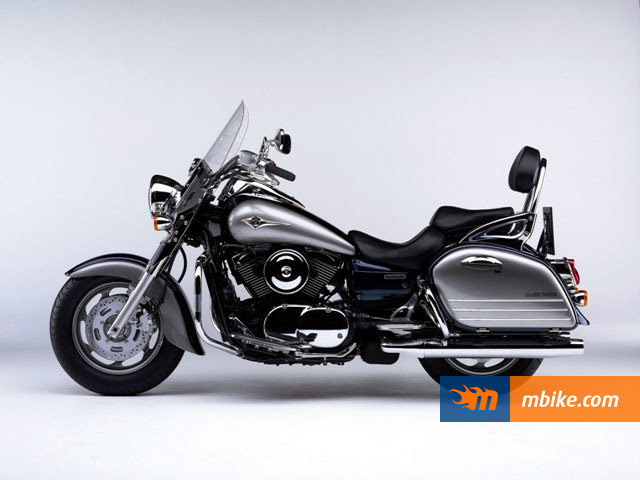
The visceral appeal of the Vulcan 1600 lies in its commanding silhouette and the intoxicating growl of its V-twin engine. The 2000 model embraced this ethos in a purist manner—complete with a design steeped in cruiser tradition. Its physical presence on the road was aggressive yet approachable: wide handlebars, sweeping lines, and a low seat height that invited all types of riders to saddle up. Moving into 2005, Kawasaki’s designers retained this quintessential cruiser DNA but introduced sleeker bodywork and a more sculpted fuel tank, subtly shifting the visual language towards a contemporary aesthetic that did not forsake its heritage. The interplay between form and function in these two models reflects a dialogue between legacy and innovation.
Performance-wise, the raw numbers only tell part of the story. Both iterations boast a strong mid-range torque curve, making city cruising and highway cruising equally satisfying. The 2000 Vulcan’s character was a bit more rugged—a direct, unfiltered mechanical experience—while the 2005 model brought enhanced refinement, smoothing out the ride and sharpening throttle response. This transition mirrors a broader trend in the cruiser segment during the early 2000s, where riders began demanding motorcycles that could serve as both weekend showpieces and practical daily transporters. The 2005 model’s improved handling and ergonomics showcased Kawasaki’s responsiveness to these evolving rider expectations.
Another facet worth exploring is the intangible fascination that these motorcycles inspire, transcending mere mechanics. The Vulcan 1600 series embodies a cultural zeitgeist—combining freedom, rebellion, and a timeless sense of adventure. This is why riders repeatedly find themselves drawn to these machines despite the availability of newer, more technologically advanced offerings. It is, in part, the acoustic signature of the exhaust, the tactile sensation of the engine’s vibration, and the aesthetic poetry of the bike’s lines against the horizon. In this sense, the difference between the 2000 and 2005 Vulcans is less about technology and more about the evolutionary refinement of an icon—an attempt to balance raw charisma with rider comfort and usability.
The rider community often debates the merits of these model years, citing the 2000 Vulcan’s rugged, unembellished charm as ideal for purists who savor a mechanical experience closer to the raw essence of motorcycling. The 2005 version, conversely, is favored by riders who appreciate subtle enhancements that enhance comfort without detracting from the bike’s visceral appeal. This discourse highlights a deeper psychological aspect of motorcycling: the tension between nostalgia and progress. The Vulcan 1600’s enduring allure lies in its ability to straddle this fine line, offering a vessel for individual expression that feels simultaneously timeless and contemporary.
Customization also plays a crucial role in the enduring popularity of the Vulcan 1600 models. Both the 2000 and 2005 versions serve as ideal platforms for personalization—a blank canvas upon which riders impose their own identities. The availability of aftermarket parts and accessories encourages the cultivation of distinct riding personas. Whether it’s the addition of cruiser-style saddlebags, custom paintwork, or upgraded exhaust systems, both models welcome transformation, further deepening their connection with owners. This malleability adds another dimension to the power battle, where the raw spec-sheet comparison merges with the subjective experience shaped by individual creativity.
Examining the mechanical underpinnings, both motorcycles feature shaft drives—a hallmark of low-maintenance reliability favored by cruiser enthusiasts. This contrasts with chain-driven sportbikes that demand more frequent attention, underscoring Kawasaki’s intent to position the Vulcan 1600 as a dependable, long-distance cruiser. The engine architecture in both also emphasizes longevity and ease of upkeep, reflecting the brand’s ethos of providing riders with a machine that feels built to endure countless miles rather than fleeting bursts of horsepower glory. The 2005 model’s refinements in fuel injection and suspension further enhance this practicality, pointing towards a synthesis of tradition and modernity.
Ultimately, the battle between the 2005 Kawasaki Vulcan 1600 and its 2000 predecessor is emblematic of a broader narrative within the cruiser motorcycle landscape. It is the tension between the raw and the refined, the traditional and the contemporary, the emotional and the pragmatic. Riders’ fascination with these machines emerges not solely from horsepower or torque figures, but from the evocative experience of commanding a motorcycle that feels forged for freedom.
In summation, the comparison of these two Vulcan 1600 models reveals much about the evolution of cruiser motorcycles and the enduring psychology of riders. The 2000 Vulcan represents a purist’s dream—unadulterated and muscular—while the 2005 iteration refines this formula with subtle technological and ergonomic enhancements that broaden its appeal. Both stand as testaments to Kawasaki’s commitment to crafting motorcycles that resonate on a visceral level, driving the timeless allure of the cruiser segment. This power battle transcends specs: it is about capturing the essence of motorcycling itself.