When it comes to sportbikes, a provocative question lingers in the minds of enthusiasts and novices alike: does horsepower truly dictate the top speed, or is there a more subtle interplay at work? The age-old debate between raw power and maximum velocity continues to challenge assumptions and reshape expectations. It’s a spirited challenge that asks, what really matters more in the world of high-performance motorcycles—brute horsepower or the gripping thrill of reaching peak speed?
At first glance, horsepower seems like the unequivocal hero of the sportbike story. After all, it’s the metric most commonly associated with engine performance, a numeric representation of the sheer force a motorcycle can deliver. But does a higher horsepower rating always translate to an unstoppable rush of speed? Not necessarily. Horsepower is undeniably important, yet its relationship with top speed is neither linear nor isolated. Intriguing variables like aerodynamics, torque delivery, gearing ratios, and rider skill profoundly influence a bike’s ultimate velocity.
Horsepower—the raw engine output measured in units that quantify work over time—serves as the cornerstone of a sportbike’s potential. Manufacturers frequently tout jaw-dropping horsepower figures, appealing to the adrenaline thirst of riders craving blistering acceleration and track-ready prowess. Yet, horsepower alone fails to paint the full picture. Consider two sportbikes boasting similar horsepower numbers; their top speeds could diverge significantly depending on how that power is harnessed and transmitted.
Torque, often overshadowed by its flashier counterpart horsepower, plays a crucial but more nuanced role. While horsepower indicates the engine’s potential for speed, torque reflects the twisting force that propels the motorcycle forward. High torque at low RPMs offers rapid acceleration, which is pivotal in real-world riding scenarios. This torque-to-horsepower balance ultimately affects how a sportbike performs off the line and how it negotiates varying terrains and conditions.
Transitioning from mechanical output to physical form, aerodynamics assert their dominance in the quest for top speed. A sportbike’s design profoundly impacts its ability to slice through the air, directly influencing drag coefficients. The elegant silhouette, the sharp fairings, and even the rider’s positioning converge to minimize resistive forces. Without aerodynamic efficiency, even the most potent engine can be shackled, preventing the bike from unlocking its true velocity potential. It’s here that sly nuances emerge: an ultra-aerodynamic frame paired with moderate horsepower can outpace a high-horsepower bike sporting a clunkier profile.
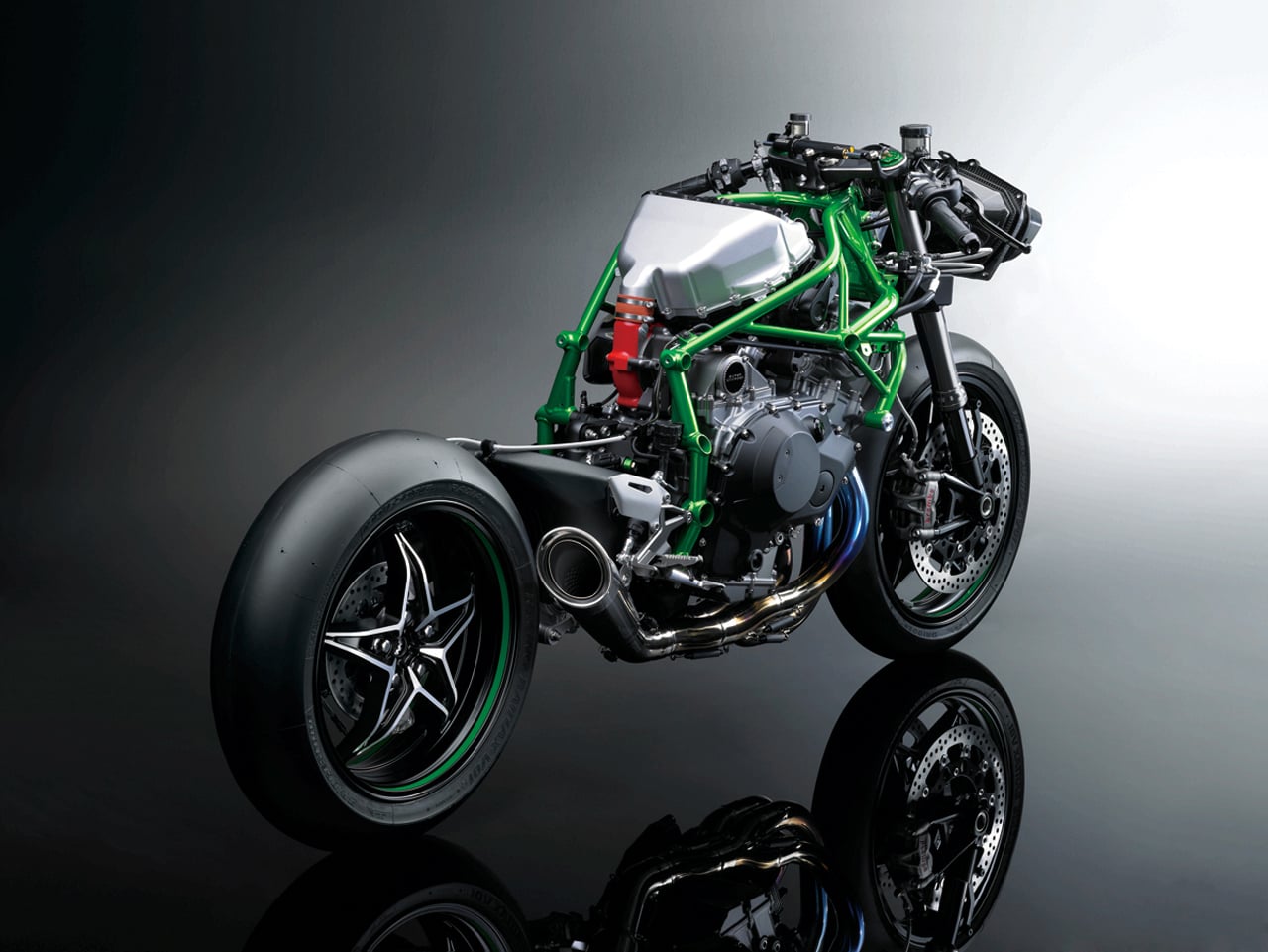
The transmission system—the unsung hero—is another piece of the intricate puzzle. Gear ratios determine the translation of engine power to rear-wheel speed. A sportbike optimized with well-chosen gearing can exploit horsepower efficiently, enabling the engine to operate in its optimal power band. Conversely, suboptimal gearing might cap the motorcycle’s velocity prematurely or compromise acceleration. The confluence of these intricate mechanical facets calls into focus the fact that horsepower, while essential, is but one thread woven into the fabric of speed potential.
Fuel management and engine tuning introduce layers of complexity that further color the HP versus top speed debate. Modern sportbikes employ sophisticated engine management systems, dynamically adjusting fuel injection, ignition timing, and throttle response. These refinements extract horsepower safely without compromising durability. They craft a harmonious power delivery that ensures the motorcycle not only achieves impressive top speeds but does so with controlled finesse. Riders benefit from this synergy, experiencing a ride that balances explosive power with manageable control.
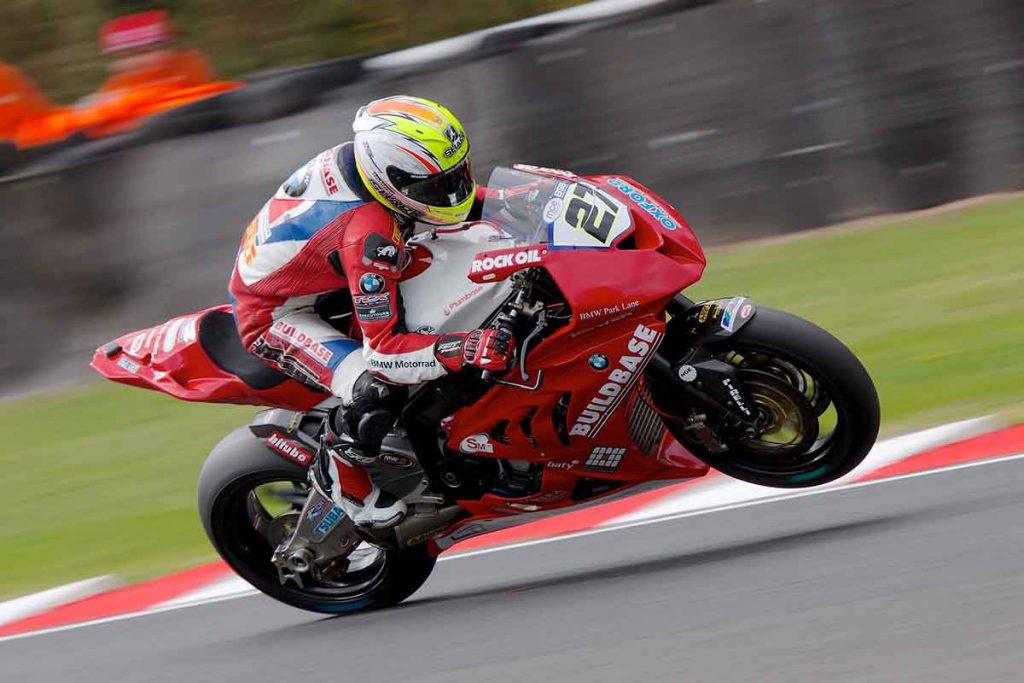
Rider skill and weight complicate the equation further. The human factor—the rider’s ability to efficiently shift, maintain aerodynamic posture, and negotiate clutch and throttle—profoundly affects achievable top speed. A lighter rider, for instance, reduces the overall mass the engine must propel, which can improve acceleration and top speed figures. Meanwhile, riding technique, such as tuck position, minimizes drag and maximizes the bike’s aerodynamic advantages. These subtleties affirm that horsepower, while vital, only reaches its maximal impact through the conduit of adept human control.
Delving deeper, environmental conditions often tip the scales in real-world performance. Temperature, altitude, humidity, and wind conditions subtly affect engine efficiency and aerodynamic resistance. A motorcycle revving at peak horsepower in one environment might find its top speed constrained by thinner air at high altitudes or offset by opposing winds. Thus, the raw numbers etched on specification sheets struggle to encapsulate the lived realities of speed exploits.
The temptation to measure sportbike capability in pure numbers—horsepower and top speed—often overlooks the holistic nature of performance. A bike with monstrous horsepower but poor aerodynamic design or ineffective gearing might achieve high acceleration but plateau prematurely. Conversely, a bike engineered to harmonize power, airflow, and mechanical efficiency can maintain blistering speeds with less horsepower. In this light, raw horsepower becomes less an absolute determinant and more a component of a broader mechanical symphony.
To explore what truly matters, one might consider the intended use of the sportbike. Are we chasing quarter-mile dominance, circuit lap times, or exhilarating canyon rides? Each scenario places distinct emphases on aspects of performance. Acceleration favors torque and quick power delivery, while top-speed pursuits prize aerodynamics and peak horsepower endurance. Understanding these nuanced demands guides riders and engineers alike in tailoring machines to specific thrills rather than a singular statistic.
The dialogue between horsepower and top speed finally converges on a realization: both metrics symbolize facets of performance but neither reigns supreme in isolation. Appreciating the interplay of mechanical design, human finesse, and environmental variables elevates the discourse beyond mere numbers. What really matters on a sportbike is a harmonious integration of these elements, culminating in a riding experience that is powerful, swift, and exhilarating—exactly as every rider dreams.
In the end, the question isn’t simply who makes the most horsepower or the highest speed, but rather how these qualities intertwine to deliver the ultimate ride. The mesmerizing dance of speed and power, wrapped in thoughtful engineering and rider prowess, is what truly defines the spirit of the sportbike. After all, in the realm of two wheels and adrenaline, it’s the synergy—not singular supremacy—that speeds captivate and riders crave.