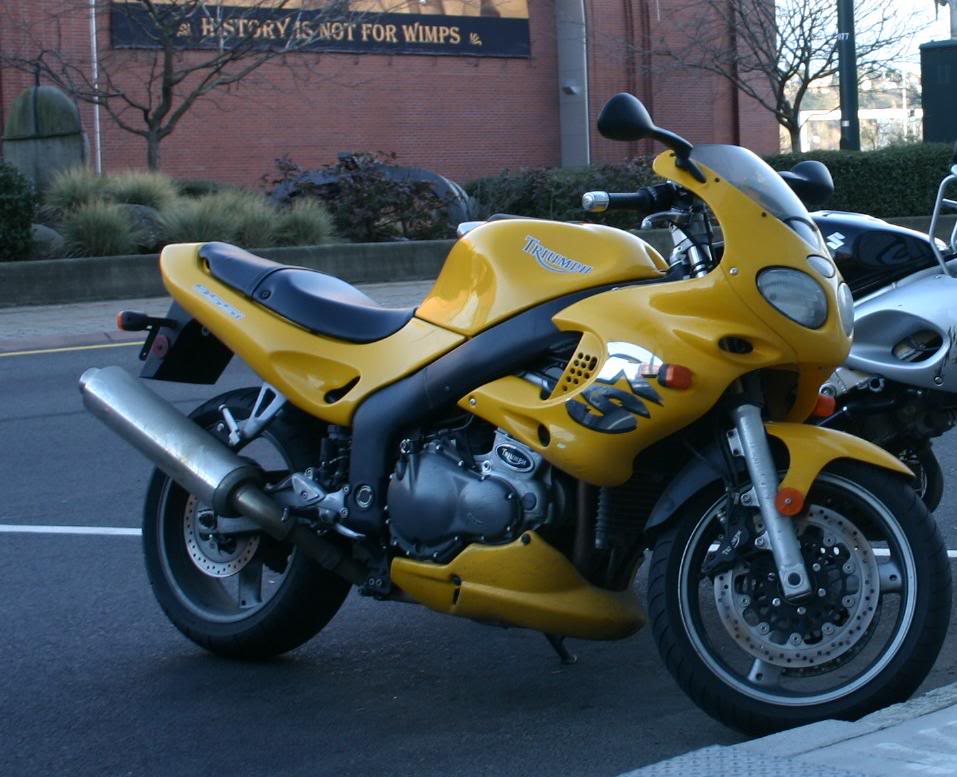
The 1990s are often heralded as a golden era for sportbikes—a time when motorcycles exuded an intoxicating blend of raw power, visceral sound, and visceral connection. Despite the undeniable technological leaps and refined engineering of contemporary sportbikes, many enthusiasts find that the sportbikes of the ’90s possess an elusive quality: they feel faster. This sensation transcends simple top speed or horsepower metrics and delves into the experiential realm of rider perception. What fuels this intoxicating feeling? Why do these motorcycles, several decades old, seem to spark a greater sense of velocity than today’s cutting-edge machinery?
Understanding this phenomenon requires a multifaceted examination, spanning mechanical design, rider feedback, sensory input, and even cultural context. The following exploration will provide a comprehensive insight into why 90s sportbikes feel faster, breaking down the key elements and enriching the conversation with vivid descriptions and technical depth.
The Mechanical Symphony: Sound and Vibration as Speed Catalysts
One of the most immediate and visceral cues to speed is sound. The energetic roar of a 90s sportbike, often characterized by a throaty, mechanical bellow, connects deeply to human perception of acceleration. Unlike the increasingly muted and electronically refined engines of modern bikes, the aggressive exhaust notes and uncorked intake sounds of 90s machines engage the rider’s auditory senses in a primal way.
The tactile feedback through vibrations also plays a crucial role. Older sportbikes were engineered with less emphasis on damping and more on mechanical communication. Their engines, frames, and suspensions transmit vibrations directly to the rider, creating a constant, physical reminder of the bike’s mechanical heartbeat. This tactile sensation enhances the feeling of rapid motion, making speeds feel more pronounced in the rider’s psyche.
Lightness and Agility: The Sensory Amplifiers
Weight is a defining factor in perceived speed. 90s sportbikes often possessed a lighter chassis compared to many contemporary machines burdened by emission controls, additional electronics, and safety apparatus. The relatively minimalist design conferred an unmatched agility and nimbleness.
When carving through corners or whipping through tight circuits, the direct and raw handling of these lightweight machines magnifies the sensation of speed. Maneuvering a bike that responds sharply to rider inputs creates an immersive experience, akin to being a conduit of pure motion rather than a mere passenger.
Analog Interfaces: Rider Involvement and Cognitive Engagement
Modern sportbikes are technological marvels outfitted with electronic aids such as traction control, anti-lock brakes, ride-by-wire throttles, and complex engine mapping systems. While these undoubtedly enhance safety and performance, they often create a filtered experience, where the rider’s input is mediated by layers of artificial intelligence.
In contrast, 90s sportbikes provided raw analog control. Throttle response was direct and unbuffered, demanding precise rider input and constant vigilance. This absence of digital intervention forces the rider to remain fully engaged, heightening awareness of acceleration and velocity. The brain processes this increased cognitive load, often translating it into a perception of heightened speed.
Aesthetic and Ergonomic Influences: The Psychological Dimension
The appearance and rider posture of 90s sportbikes contribute subtly but significantly to the feeling of speed. These motorcycles tend to feature aggressive angular designs, sharp fairings, and compact silhouettes that visually echo the essence of speed and performance.
Ergonomically, squat riding positions combined with narrow, high-reach handlebars put the rider in a forward-leaning stance that mimics the aerodynamic profiles found in racing. This physical posture not only reduces wind resistance but also psychologically primes the rider to anticipate and feel faster velocities.
Limitations and Thresholds: The Role of Perceived Risk
Risk perception plays a covert but essential role in the sensation of speed. 90s sportbikes, lacking today’s comprehensive safety nets, presented an elevated inherent risk to their operators. Without the cushion of electronic stability controls and semi-autonomous interventions, every corner taken at pace demanded absolute rider mastery.
The constant proximity to the bike’s mechanical limits fosters adrenaline surges, which alter the rider’s internal clock and heighten sensory awareness. This biochemical cocktail serves as a speed intensifier, coloring the experience with a thrilling immediacy that defies pure numerical measurement.
Soundtrack of Speed: Exhaust and Engine Character
While horsepower and torque figures are often cited in measuring speed, the auditory landscape created by the exhaust and engine configuration influences the rider’s impression of quickness. Many 90s sportbikes utilized high-revving, four-cylinder engines with aggressive intake and exhaust systems, producing a characteristic scream up to metier-defying redlines.
This crescendo of sound aligns with surges in acceleration, reinforcing the sense of rapid forward motion. The engine note itself becomes a metronome for speed, syncing mind and machine in a dynamic performance.
Comparison and Contrast with Modern Counterparts
Today’s sportbikes boast electronics, aerodynamics, and materials science at the pinnacle of human achievement. Their real-world performance is undeniably superior, evident in faster lap times, higher top speeds, and greater stability.
Yet, this supremacy sometimes paradoxically diminishes the sensation of speed. The refinements that make modern bikes efficient and safe convert the ride into a more calculated, less raw experience. The rider becomes more a supervisor of automated systems than an active co-creator of velocity.
Conclusion: A Celebration of Sensory Experience Over Statistics
The intrigue surrounding why 90s sportbikes feel faster than today’s machines resides not in cold data but in the warm, rich tapestry of sensory inputs and psychological factors. The combination of raw sound, direct mechanical feedback, lightweight agility, unfiltered control, and adrenaline-fueled risk crafts a unique and potent sensation of speed.
Modern machines may eclipse their predecessors on paper, but the soul of speed—its feel, its roar, and its thrill—often remains most vividly captured by the sportbikes of the past. Appreciating this distinction enriches the understanding of motorcycling as both a technical pursuit and a profoundly personal experience.