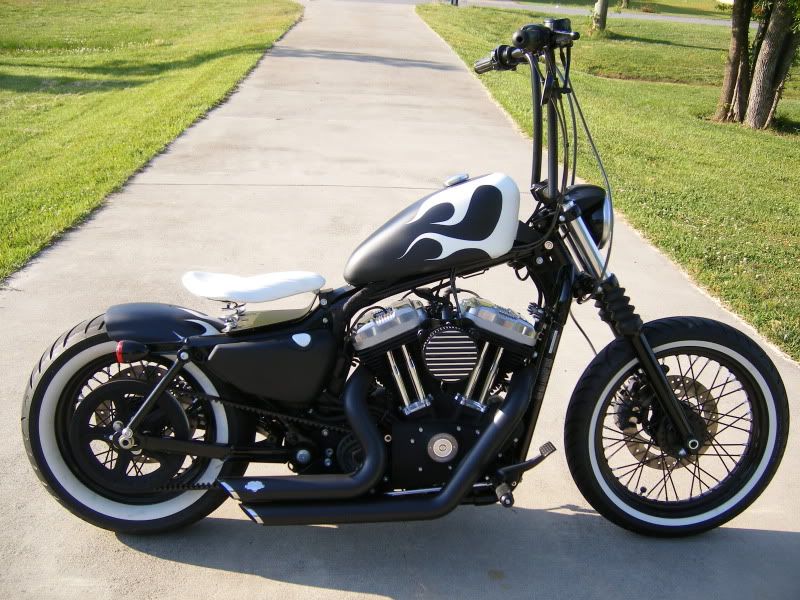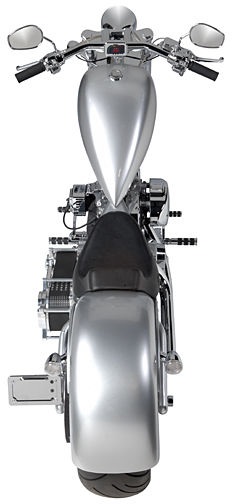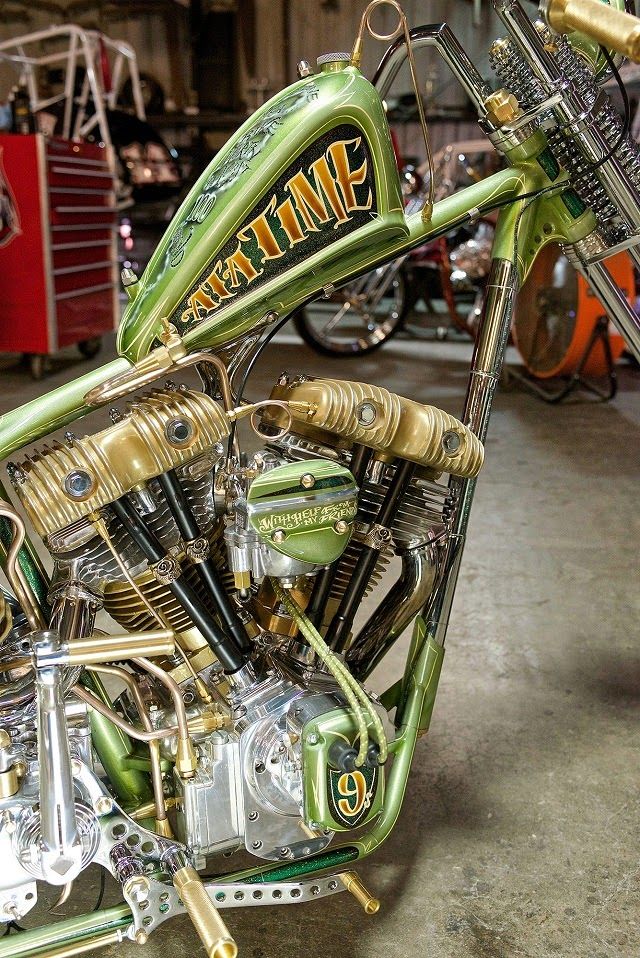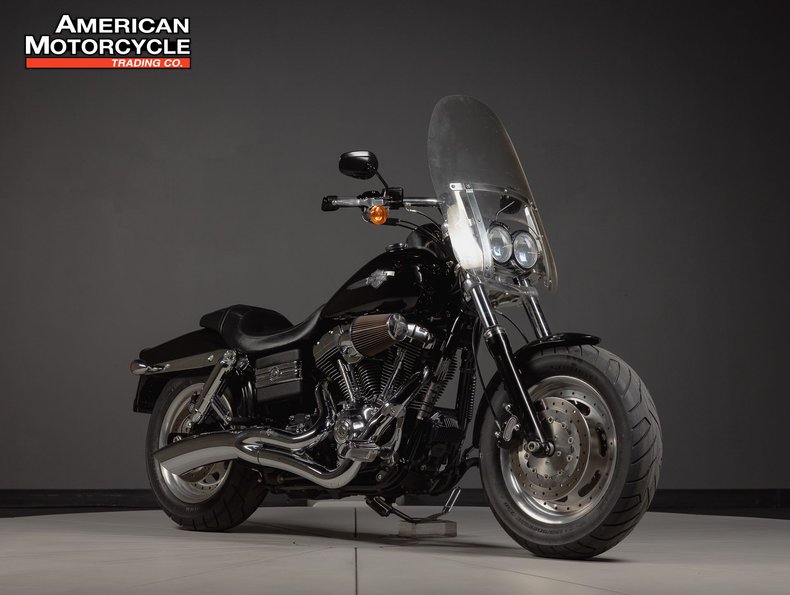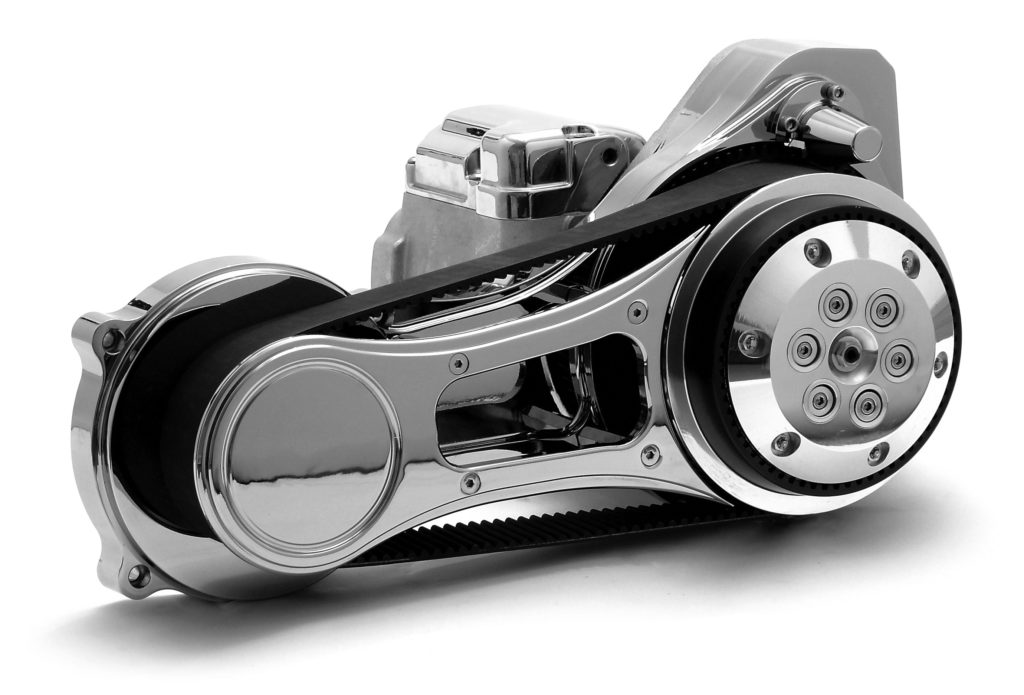
Ever stared at your chopper’s open primary setup and wondered, “What if my belt drive could do more than just spin—what if it could turn heads, spark envy, and maybe even make your Harley sound like a symphony of mechanical poetry?” The truth is, the right belt drive kit isn’t just about function—it’s about fashion, performance, and that unmistakable swagger that separates the merely cool from the truly legendary. But here’s the kicker: not all kits are created equal. Some whisper promises of smoothness, others roar with the promise of power. So, how do you choose the one that’ll make your ride not just a machine, but a statement?
The Allure of Open Primary: Why Belt Drive Kits Are the New Black
Gone are the days when chains were the only game in town. Belt drives have stormed onto the scene like a rebellious rockstar, offering a sleek, low-maintenance alternative that doesn’t skimp on performance. Picture this: no more oily chains, no more tensioners that betray you at the worst moment, just pure, uninterrupted power transfer that hums like a well-tuned guitar. But the real magic? The aesthetics. An open primary with a polished belt drive kit is like leaving the curtains open on a masterpiece—everyone gets to see the artistry of your build. It’s not just about function; it’s about flaunting your mechanical prowess with every rev of the engine.
Yet, here’s where the plot thickens: not all belt drive kits are designed to play nice with the open primary aesthetic. Some are built for enclosed setups, hiding their beauty behind covers like shy wallflowers at a biker’s ball. Others? They’re tailor-made for the bold, the brash, the unapologetically open. The key is knowing which ones to invite into your build’s inner circle.

Material Matters: Rubber vs. Carbon Fiber—The Ultimate Showdown
When it comes to belt drive kits, the material isn’t just a detail—it’s the difference between a kit that lasts and one that leaves you stranded on the side of the road, cursing your life choices. Rubber belts, the tried-and-true workhorses of the motorcycle world, offer a balance of durability and affordability. They’re the reliable friend who never lets you down, even if they don’t exactly turn heads. But if you’re after that je ne sais quoi—that extra dash of panache—carbon fiber belts are where it’s at. Lightweight, stiff, and with a sound that’s as crisp as a fresh dollar bill, they’re the choice of riders who treat their choppers like works of art.
Of course, carbon fiber doesn’t come cheap. It’s the luxury sports car of belt drives—exhilarating to drive, but you’ll pay a premium for the thrill. Rubber, on the other hand, is the trusty sedan: practical, dependable, and easy on the wallet. So, ask yourself: are you building a chopper for the long haul, or are you chasing that adrenaline-fueled, head-turning moment that only carbon fiber can deliver?
Fit and Finish: The Devil’s in the Details
Imagine this: you’ve scrimped and saved for the perfect belt drive kit, only to realize it doesn’t play well with your primary cover—or worse, your sprocket alignment is so off that your belt looks like it’s doing the cha-cha instead of spinning smoothly. Fit matters. A kit that’s too tight will scream in protest with every revolution, while one that’s too loose will flirt with disaster, threatening to jump off the pulley at the most inopportune moment. The solution? Measure twice, install once. Check your primary’s dimensions, your sprocket’s pitch, and your belt’s width. And for the love of all things holy, don’t forget to align everything properly. A misaligned belt drive isn’t just an eyesore—it’s a ticking time bomb.
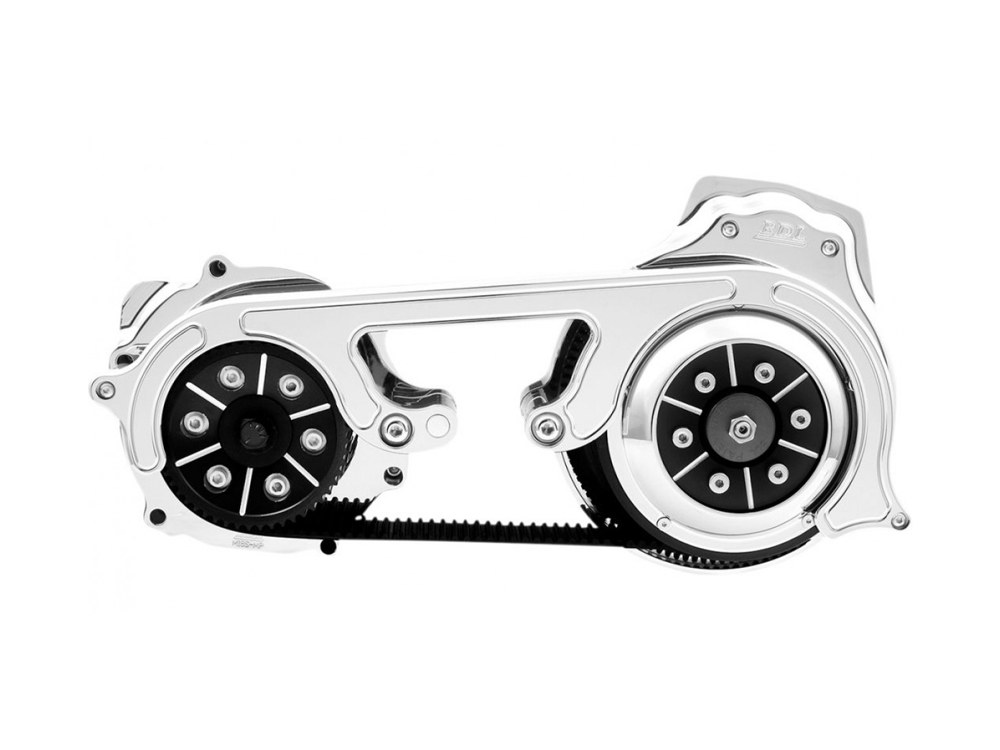
But here’s a pro tip: some kits come with adjustable idler pulleys or tensioners, giving you the flexibility to fine-tune your setup like a DJ mixing a track. These little tweaks can mean the difference between a belt that sings and one that screeches. So, if you’re the type who likes to tinker, look for a kit that plays well with customization.
Power and Performance: Does Your Belt Drive Kit Have What It Takes?
Let’s cut to the chase: if you’re building a chopper, you’re not just after a pretty face. You want power. You want torque. You want that deep, resonant growl that makes pedestrians stop mid-stride and dogs howl in solidarity. So, does your belt drive kit deliver? The answer lies in its construction. A high-quality kit will feature a belt with a tensile cord—usually made of fiberglass or Kevlar—that can handle the stress of high horsepower without stretching like a cheap sweater. It’ll also have a pulley system designed to minimize slippage, ensuring every ounce of your engine’s power makes it to the rear wheel.
But power isn’t just about brute force. It’s about finesse. A well-engineered belt drive kit will reduce parasitic drag, meaning more of your engine’s energy goes into propelling you forward instead of fighting internal resistance. It’s the difference between a chopper that feels like it’s dragging an anchor and one that surfs on a cushion of pure, unadulterated torque. So, if you’re planning to push your build to the limit, don’t skimp on the kit. Your engine—and your pride—will thank you.
Style Meets Substance: Customization and Aesthetic Flourishes
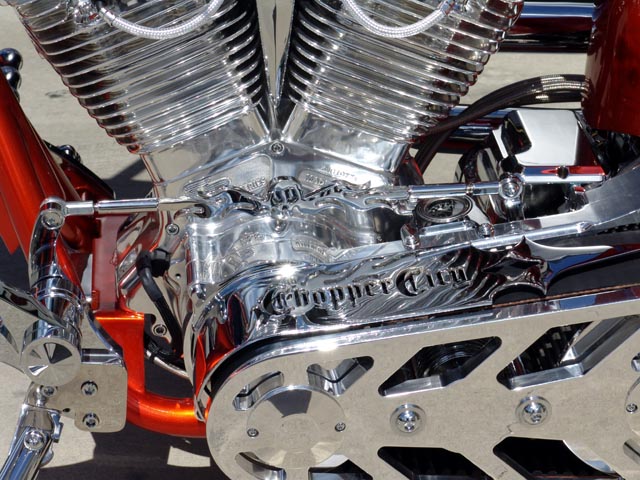
Here’s where things get fun. A belt drive kit isn’t just a mechanical component—it’s a canvas. The right kit can elevate your chopper from “cool” to “legendary” with a single glance. Think polished aluminum pulleys that catch the sunlight like a disco ball, or a belt in a custom color that matches your bike’s theme. Some kits even come with interchangeable covers, allowing you to swap out styles as easily as changing a shirt. Want a vintage look? There are kits with brushed steel finishes. Craving something modern? Sleek black pulleys and carbon fiber belts are your best friends.
And let’s not forget the sound. A carbon fiber belt doesn’t just look the part—it sounds like a symphony. The high-pitched whine of a well-tuned belt drive is music to a chopper enthusiast’s ears, a siren call that separates the wheat from the chaff. But be warned: not all sounds are created equal. A poorly installed or low-quality kit can produce a cacophony that’ll make your passengers wince and your neighbors call the cops. So, if you’re chasing that auditory perfection, invest in a kit that’s as meticulously engineered as it is visually stunning.
The Installation Gauntlet: Are You Ready to Take the Plunge?
Now, the million-dollar question: can you install a belt drive kit yourself, or should you enlist the help of a professional? The answer depends on your mechanical prowess and your tolerance for frustration. If you’re the type who can rebuild an engine with a butter knife and a prayer, you’ll likely handle the installation with ease. But if the mere thought of aligning pulleys makes your palms sweat, it might be worth leaving it to the experts.
That said, even the most seasoned mechanics can run into snags. Belt drives require precise measurements, and a single misalignment can turn your dream build into a nightmare. So, if you’re going the DIY route, arm yourself with patience, a good set of tools, and a healthy dose of humility. And remember: it’s always better to double-check your work than to discover a problem when you’re halfway down the highway.
But here’s the silver lining: once it’s installed, your belt drive kit will reward you with years of trouble-free service. No more chain stretch, no more tensioner adjustments—just pure, unadulterated riding bliss. And isn’t that what it’s all about?
Final Verdict: The Belt Drive Kit That’ll Make Your Chopper Unforgettable
So, after all this deliberation, which belt drive kit reigns supreme? The truth is, there’s no one-size-fits-all answer. The best kit for you depends on your riding style, your budget, and your vision for your chopper. If you’re after reliability and affordability, a high-quality rubber belt kit is a solid choice. If you’re chasing performance and prestige, carbon fiber is the way to go. And if you want to turn heads without breaking the bank, look for a kit with customizable finishes and easy installation.
But no matter which path you choose, one thing is certain: the right belt drive kit will transform your chopper from a mere machine into a rolling masterpiece. It’ll make your engine purr like a contented cat, your neighbors green with envy, and your rides the stuff of legend. So, go ahead—treat yourself to the belt drive kit that deserves your chopper. After all, you didn’t build a bike just to blend in. You built it to stand out.