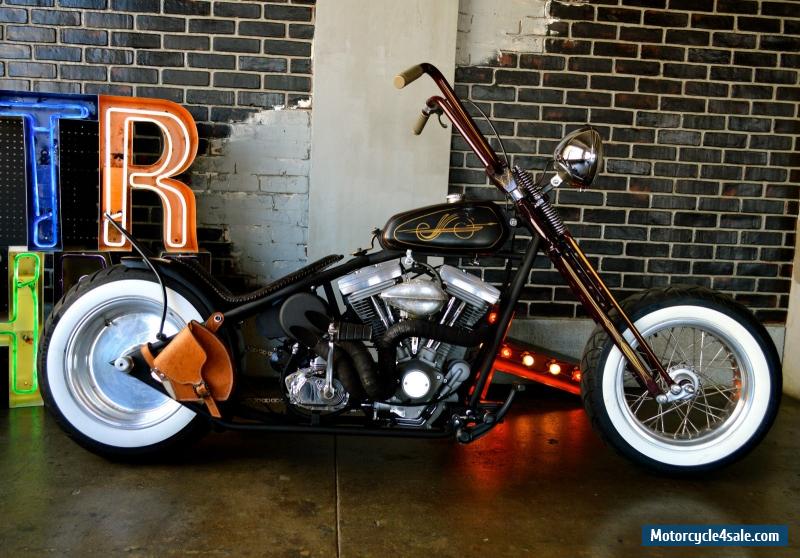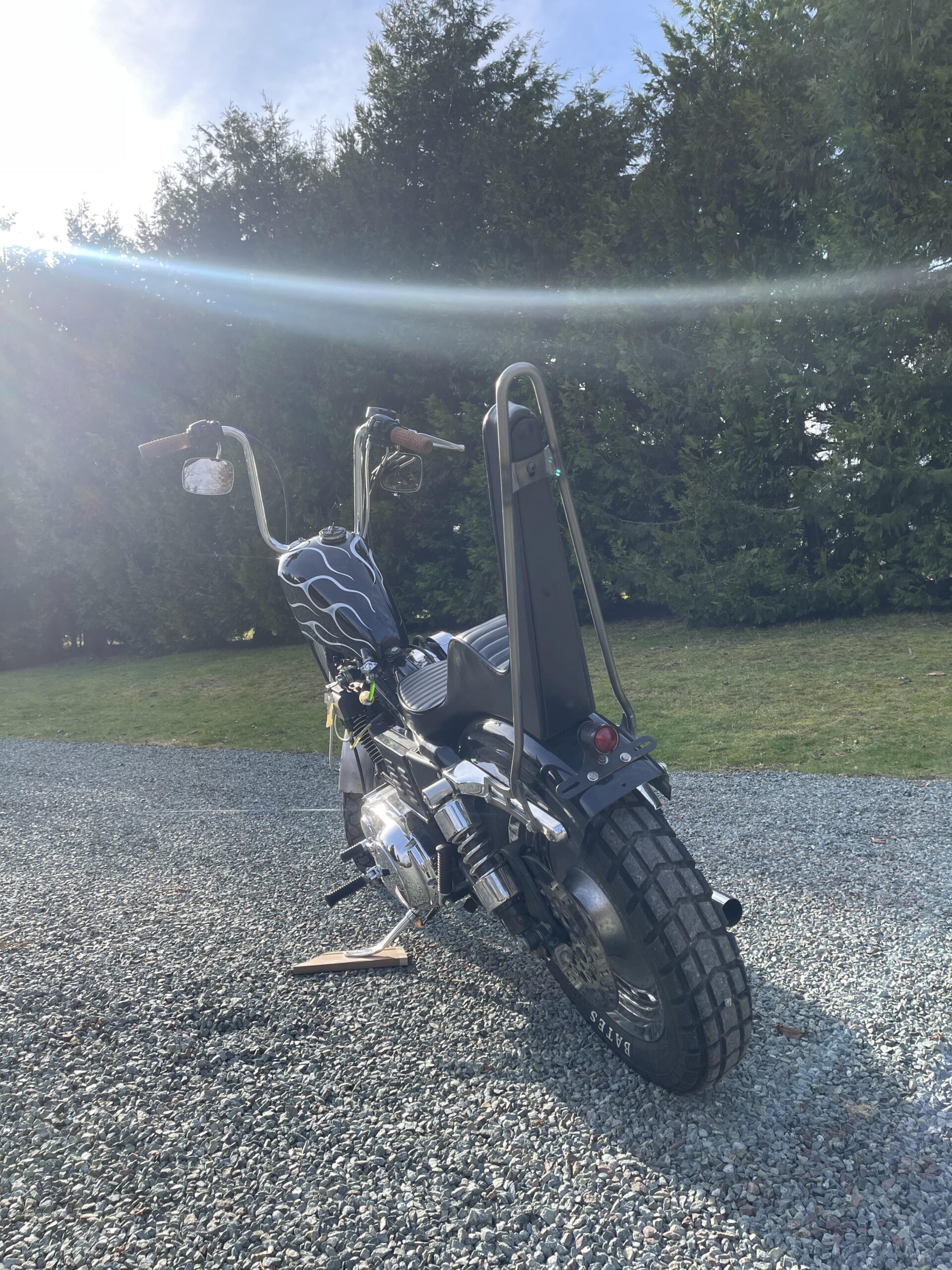
There’s a moment in every custom chopper build when the frame kisses the pavement—not with a crash, but with a quiet, deliberate *thud*. That’s the sound of compromise. You’ve spent months perfecting the rake, the stretch, the stance, only to realize your ride’s ground clearance is fighting you at every stop. The stock kickstand? A relic of factory thinking. The solution? A kickstand kit designed for the low-slung, high-stakes world of custom choppers. These aren’t just metal brackets; they’re the unsung heroes of the build, the silent partners in your two-wheeled rebellion.
The Low-Clearance Dilemma: Why Stock Kickstands Fail the Custom Cause
Picture this: a chopper so low it seems to defy physics, its underbelly brushing the asphalt like a whisper. It’s a stunning aesthetic—until you need to park it. Stock kickstands are engineered for upright, factory-standard frames, not the aggressive geometry of a stretched-out, raked-out masterpiece. They’re the architectural equivalent of forcing a square peg into a round hole, a mismatch that leaves your pride and joy teetering precariously. Worse, repeated contact with the ground can scuff paint, bend metal, or worse—compromise the integrity of your frame’s carefully calculated angles. The result? A bike that’s as fragile as it is fearless, a contradiction that no rider should tolerate.
Enter the era of purpose-built kickstand kits. These aren’t mere accessories; they’re the antidote to the low-clearance curse. Designed with the custom builder in mind, they marry form and function, ensuring your chopper stands tall—literally—without sacrificing its soul. Whether it’s a hidden spring mechanism that tucks neatly into the frame’s underbelly or a weld-on plate that becomes one with the metal, these kits redefine what it means to park a custom.
Hidden Spring Kickstand Kits: The Art of Invisible Support
There’s something poetic about a kickstand that doesn’t announce its presence. Hidden spring kickstand kits are the ninjas of the motorcycle world—unseen, unobtrusive, yet always ready to perform. These kits integrate seamlessly into the frame, often mounting to the underside of the transmission tunnel or the backbone, where they deploy with a satisfying *click* when needed. The magic lies in the spring-loaded mechanism, a marvel of engineering that retracts when the bike is in motion, only to emerge like a phoenix when the engine falls silent.
For the builder who demands clean lines and uninterrupted aesthetics, these kits are a revelation. No bulky tubes jutting out from the sides, no clunky pivots marring the frame’s lines. Instead, you get a bike that looks as if it’s floating above the ground, its low stance a testament to design rather than necessity. The hidden spring kit doesn’t just solve a problem; it elevates the entire build, turning a functional component into a feature worth admiring.
But don’t let the subtlety fool you—these kits are built for durability. High-tensile steel, precision welding, and corrosion-resistant coatings ensure they’ll outlast the bike itself. And when the time comes to park, the deployment is smooth, the support unwavering. It’s the kind of understated confidence that separates a true custom from a mere assembly of parts.
Weld-On Kickstand Plates: Forging a Bond with Your Frame
Some choppers aren’t just built—they’re *forged*. Every weld is a declaration, every joint a promise. For these machines, a kickstand kit that bolts on is a compromise. That’s where weld-on plates come in. These aren’t afterthoughts; they’re extensions of the frame itself, fused into the metal like a second spine. The process begins with careful measurement and alignment, ensuring the plate’s angle matches the bike’s natural stance. Then, with a welder’s steady hand, the plate becomes part of the frame, a permanent fixture that bears the weight of the bike with the same grace as the rest of the structure.
The benefits are manifold. First, there’s the sheer strength. A weld-on plate distributes the bike’s weight across a larger surface area, reducing stress on any single point. Second, there’s the precision. Because the plate is custom-fitted to the frame, it eliminates the wobble and instability that plague bolt-on kits. And third, there’s the aesthetic. A well-executed weld-on plate disappears into the frame’s lines, becoming an invisible line of defense against the pavement.
Of course, weld-on kits demand a higher level of skill to install. They’re not for the faint of heart or the weekend warrior. But for the builder who treats their chopper like a work of art, the effort is worth it. The result? A bike that doesn’t just stand—it *commands* the ground beneath it.
Chrome vs. Matte: Choosing the Right Finish for Your Kit
The finish of your kickstand kit isn’t just about looks; it’s about personality. Chrome gleams like a mirror, reflecting the world around it and adding a touch of retro glamour to your build. It’s the finish of choice for builders who want their chopper to turn heads, even when it’s parked. But chrome isn’t just about vanity—it’s also about protection. A well-chromed kickstand resists corrosion, ensuring it stays as pristine as the day it was installed, even in the face of rain, road salt, and the occasional curb scrape.
Matte finishes, on the other hand, offer a more subdued elegance. They absorb light rather than reflect it, creating a sleek, modern look that blends seamlessly with the bike’s overall aesthetic. Matte black or gunmetal gray kickstand kits are the darlings of the minimalist builder, their understated tones allowing the bike’s other features to take center stage. And like chrome, matte finishes can be just as durable, provided they’re treated with high-quality powder coating or ceramic finishes.
The choice between chrome and matte often comes down to the bike’s overall theme. A vintage-inspired chopper might call for chrome, while a modern, angular build could benefit from the muted tones of a matte finish. But don’t be afraid to mix and match. A chrome weld-on plate paired with a matte frame? A hidden spring kit in gunmetal gray against a polished backbone? The possibilities are as endless as your imagination.
Installation Insights: Tips for a Flawless Fit
Even the most meticulously designed kickstand kit can fall short if the installation isn’t up to par. The key to a flawless fit lies in three words: measurement, alignment, and patience. Start by determining the bike’s natural resting angle. This isn’t just about eyeballing it—use a digital level or a protractor to ensure the frame is perfectly balanced. Next, mark the mounting points with precision. A misaligned weld or bolt hole can throw off the entire kit, leaving you with a bike that leans like the Tower of Pisa.
For weld-on kits, take your time with the prep work. Clean the frame thoroughly, removing any paint or debris that could interfere with the weld. And when it’s time to strike the arc, do so with confidence. A strong, consistent weld is the difference between a kit that lasts a lifetime and one that fails at the first pothole. If you’re not comfortable welding, enlist the help of a professional—your bike’s safety is worth the investment.
For bolt-on kits, don’t skimp on the hardware. Use high-quality bolts and locking nuts to prevent vibration from loosening them over time. And always double-check the torque specifications—too loose, and the kit will wobble; too tight, and you risk stripping the threads. Finally, test the deployment before hitting the road. A kickstand that doesn’t deploy smoothly is a hazard waiting to happen.
The Future of Kickstand Kits: Innovation Meets Tradition
The world of kickstand kits is evolving, and the future looks brighter than ever. Manufacturers are experimenting with lightweight alloys, magnetic deployment systems, and even smart sensors that alert the rider if the kickstand hasn’t fully retracted before takeoff. These innovations aren’t just about convenience—they’re about redefining what it means to park a custom chopper. Imagine a kit that adjusts its angle based on the bike’s weight distribution, or one that integrates with the bike’s lighting system to glow softly in the dark. The possibilities are limited only by the boundaries of creativity.
Yet, for all the technological advancements, the soul of the kickstand kit remains unchanged. It’s still about giving the rider peace of mind, about ensuring that every stop is as deliberate as the ride itself. Whether it’s a hidden spring kit that disappears into the frame or a weld-on plate that becomes one with the metal, the best kickstand kits are the ones that fade into the background, leaving the spotlight on the chopper—and the rider—where it belongs.
So the next time you’re admiring your custom chopper, take a moment to appreciate the kickstand. It’s not just a stand-in; it’s a statement. A declaration that your bike isn’t just built to ride—it’s built to stand tall.