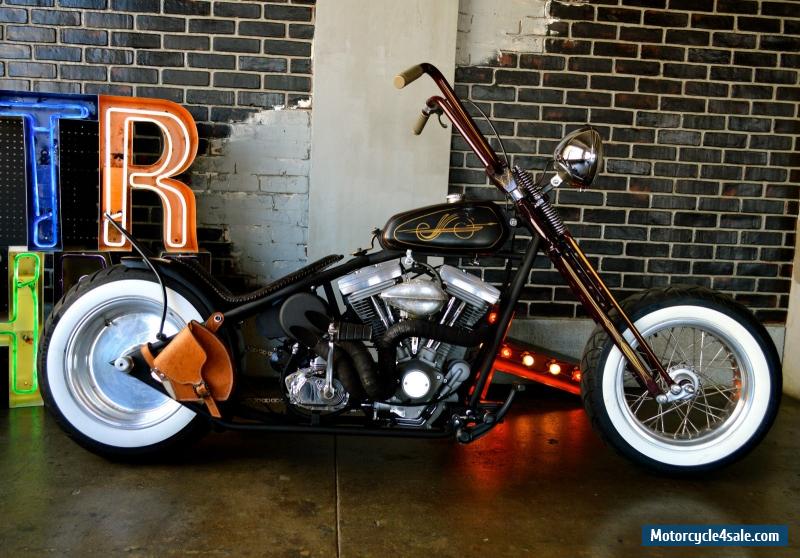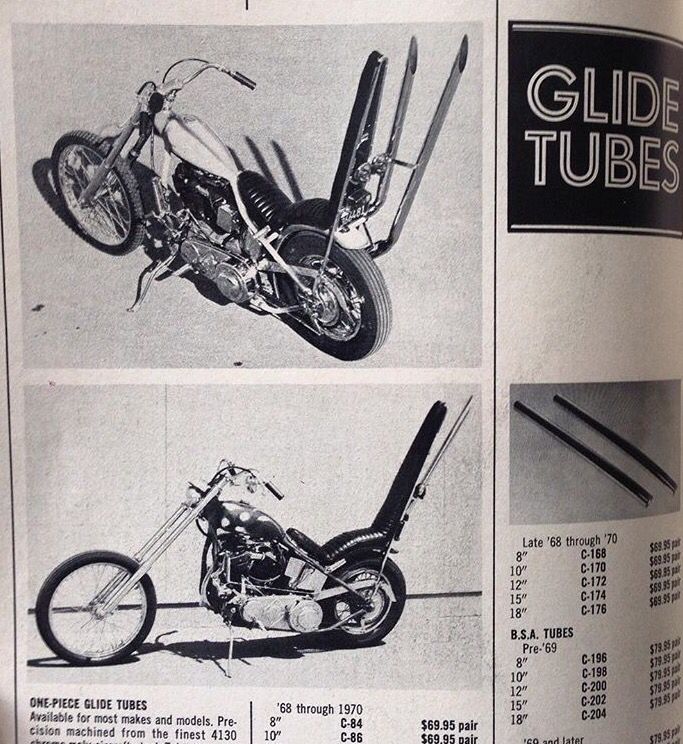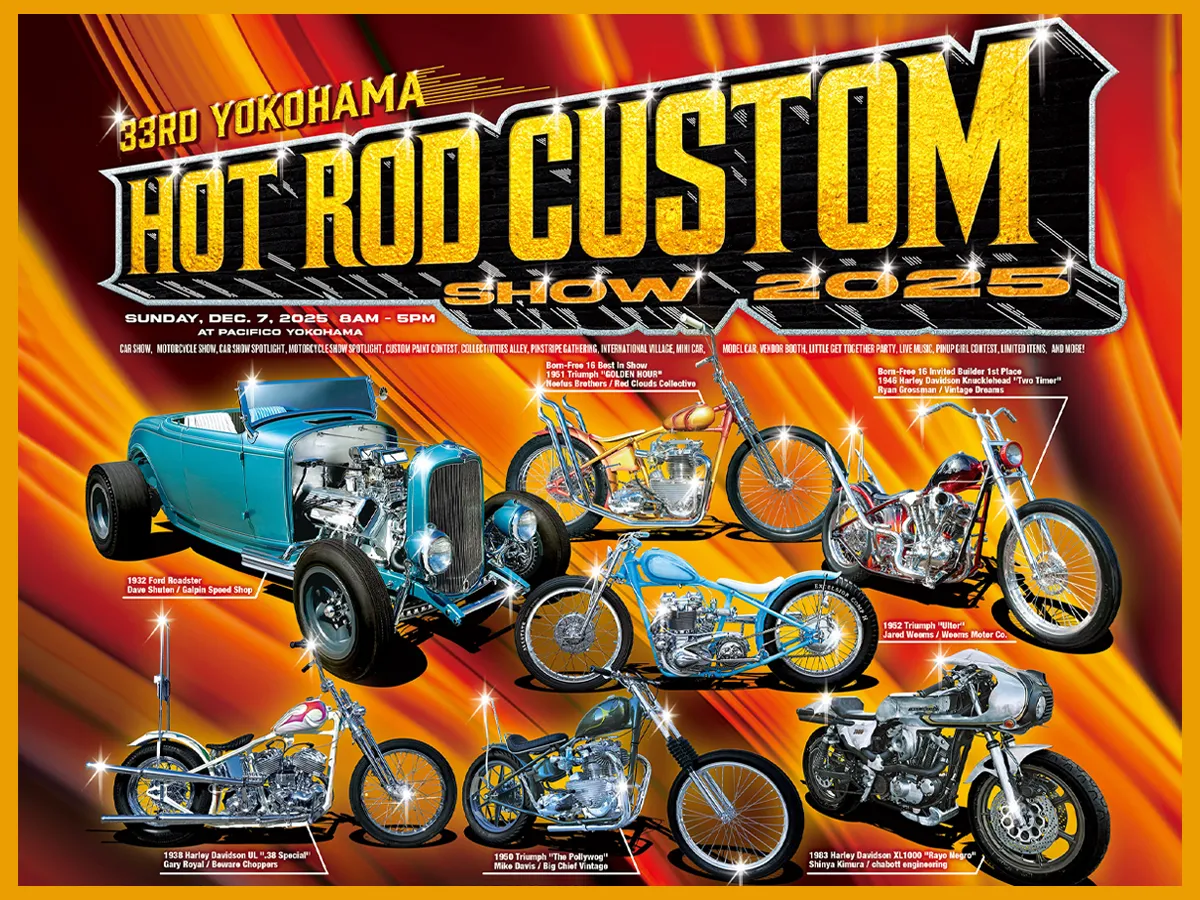
There’s something undeniably magnetic about a vintage chopper motorcycle—its raw, unfiltered aesthetic, the way it commands attention without uttering a word. The elongated forks, the gleaming chrome, the thunderous growl of its engine—each element tells a story of rebellion, freedom, and craftsmanship. Yet, beneath the surface of this mechanical poetry lies a subtle but critical detail: the velocity stacks. These often-overlooked components don’t just enhance performance; they breathe life into the soul of a chopper, transforming it from a mere machine into a rolling masterpiece. For the discerning rider who craves authenticity without sacrificing power, the right velocity stacks can elevate a vintage chopper’s character from nostalgic homage to full-throttle legend.
The Allure of Velocity Stacks: More Than Just a Performance Boost
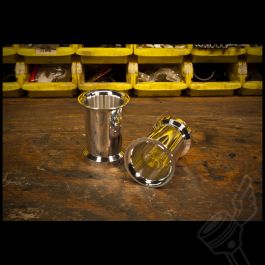
Velocity stacks aren’t merely functional—they’re a statement. Picture this: a chopper with a gleaming velocity stack perched atop its carburetor, its polished aluminum surface catching the sunlight like a beacon of mechanical prowess. This isn’t just about airflow efficiency; it’s about visual dominance. The stacks amplify the engine’s presence, turning a mundane carburetor into a focal point of raw, unapologetic power. For vintage chopper enthusiasts, this is where artistry meets engineering. The stacks echo the bold, uncompromising spirit of the bikes they adorn, harkening back to an era when form and function were inseparable.
But why do these components hold such fascination? Perhaps it’s the way they transform the mundane into the extraordinary. A stock carburetor, with its utilitarian design, pales in comparison to a velocity stack’s sculpted curves and gleaming finish. It’s the difference between a whisper and a roar—between a machine that blends into the background and one that demands to be seen. For the rider who values both performance and panache, velocity stacks are the perfect marriage of the two.

Material Matters: Choosing the Right Stack for Your Chopper’s Soul
Not all velocity stacks are created equal. The material you choose can dramatically alter both the performance and the aesthetic of your chopper. Aluminum stacks, with their lightweight resilience and gleaming finish, are a classic choice for vintage builds. They resist corrosion, shimmer under the sun, and age gracefully, developing a patina that tells the story of countless miles ridden. For those who prioritize authenticity, aluminum stacks are the obvious heirloom.
Stainless steel, on the other hand, offers unparalleled durability and a modern edge. While it may lack the vintage charm of aluminum, its sleek, industrial look can complement a chopper with a more contemporary flair. Then there’s carbon fiber—a material that screams high-performance, even if it strays from the traditional aesthetic. For the rider who wants to push the boundaries of both speed and style, carbon fiber stacks are a bold, futuristic choice that still nods to the chopper’s rebellious roots.
The key is balance. A vintage chopper deserves stacks that honor its heritage, but that doesn’t mean you can’t experiment. The right material will not only enhance performance but also become a defining feature of your bike’s identity.
Form Follows Function: Designing for Both Power and Presence
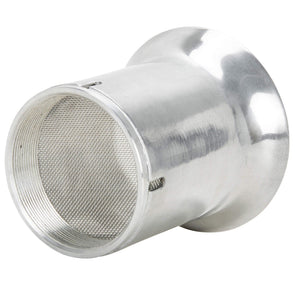
The design of a velocity stack is where engineering meets artistry. A well-crafted stack isn’t just a tube—it’s a carefully sculpted funnel that guides airflow with precision while making a visual impact. The taper, the length, the diameter—every dimension plays a role in both performance and aesthetics. A stack with a pronounced taper, for example, not only optimizes airflow but also creates a dramatic silhouette that draws the eye. It’s the kind of detail that separates a bike that’s merely functional from one that’s truly unforgettable.
Consider the vintage aesthetic. A stack with a slightly flared opening, reminiscent of mid-century motorcycle designs, can evoke a sense of nostalgia while still delivering modern performance benefits. Alternatively, a minimalist, straight-walled stack lends a clean, contemporary look that still pays homage to the chopper’s roots. The best designs are those that feel like they’ve always belonged on the bike, as if the stack and the chopper were destined to find each other.
Don’t underestimate the power of finish, either. A brushed aluminum stack exudes understated elegance, while a mirror-polished finish commands attention. The choice of finish can subtly shift the bike’s entire vibe—from rugged and utilitarian to sleek and sophisticated. For a vintage chopper, a satin or brushed finish often strikes the perfect balance, blending seamlessly with the bike’s overall aesthetic while still making a statement.
Performance Meets Personality: The Unseen Benefits of Velocity Stacks
Beyond their visual appeal, velocity stacks offer tangible performance benefits that can transform the riding experience. By smoothing out airflow into the carburetor, they reduce turbulence and improve throttle response, giving your chopper a more responsive, spirited feel. This is especially crucial for vintage bikes, where stock carburetors may struggle to deliver the power modern riders expect. A well-chosen stack can unlock hidden potential, turning a sluggish engine into a responsive powerhouse.
But the benefits don’t stop at performance. Velocity stacks also play a role in the bike’s character. A stack with a deep, resonant tone can amplify the engine’s growl, turning every ride into an auditory experience. The way the stack interacts with the carburetor’s airflow can create a unique sound signature, one that’s as much a part of the bike’s identity as its exhaust note. For the rider who wants their chopper to stand out in more ways than one, the right stack can make all the difference.
There’s also the matter of maintenance. A high-quality velocity stack, properly installed, can reduce the risk of backfiring and improve overall engine efficiency. This means fewer trips to the mechanic and more time spent on the open road. For a vintage chopper enthusiast, this is a crucial consideration—after all, the goal is to ride, not to constantly tinker with a finicky engine.
Installation and Customization: Making the Stack Your Own
Installing a velocity stack is more than a mechanical task—it’s a creative process. The right stack should feel like an extension of the bike itself, as if it grew there naturally. This means paying attention to fit, alignment, and even the smallest details like mounting hardware. A stack that’s slightly off-center or wobbles at high RPMs will detract from both performance and aesthetics. Precision is key.
Customization options abound. Some riders opt for stacks with engraved designs or custom logos, adding a personal touch that makes the bike truly one-of-a-kind. Others experiment with different finishes or even multiple stacks on a single carburetor, creating a look that’s as unique as the rider behind it. For the truly adventurous, there’s the option to fabricate a custom stack from scratch, tailoring every dimension to perfectly suit the bike’s engine and aesthetic.
Don’t forget about compatibility. Not all stacks fit every carburetor, so it’s essential to choose one that’s designed for your specific setup. A stack that’s too large or too small can disrupt airflow and negate the performance benefits. When in doubt, consult with a specialist or opt for a stack that’s explicitly designed for vintage applications. The goal is harmony—between the stack and the carburetor, the bike and the rider, the past and the present.
The Final Ride: Why Velocity Stacks Are the Heartbeat of a Vintage Chopper
A vintage chopper isn’t just a machine; it’s a rolling testament to freedom, craftsmanship, and individuality. Every bolt, every curve, every gleaming surface tells a story. And at the heart of it all, the velocity stack stands as a symbol of that story—a fusion of form and function, power and presence. It’s the detail that transforms a bike from a collection of parts into a living, breathing entity.
For the rider who understands this, the choice of velocity stack isn’t just about performance. It’s about legacy. It’s about honoring the past while embracing the future. It’s about crafting a machine that doesn’t just turn heads but also stirs the soul. Whether you’re restoring a classic or building a custom from the ground up, the right velocity stack will elevate your chopper from mere transportation to a work of art on two wheels.
So choose wisely. Let the stack reflect your vision. Let it roar with the engine’s might. Let it shine under the sun, a beacon of your passion for the open road. Because in the end, the best velocity stacks aren’t just components—they’re the heartbeat of the machine.