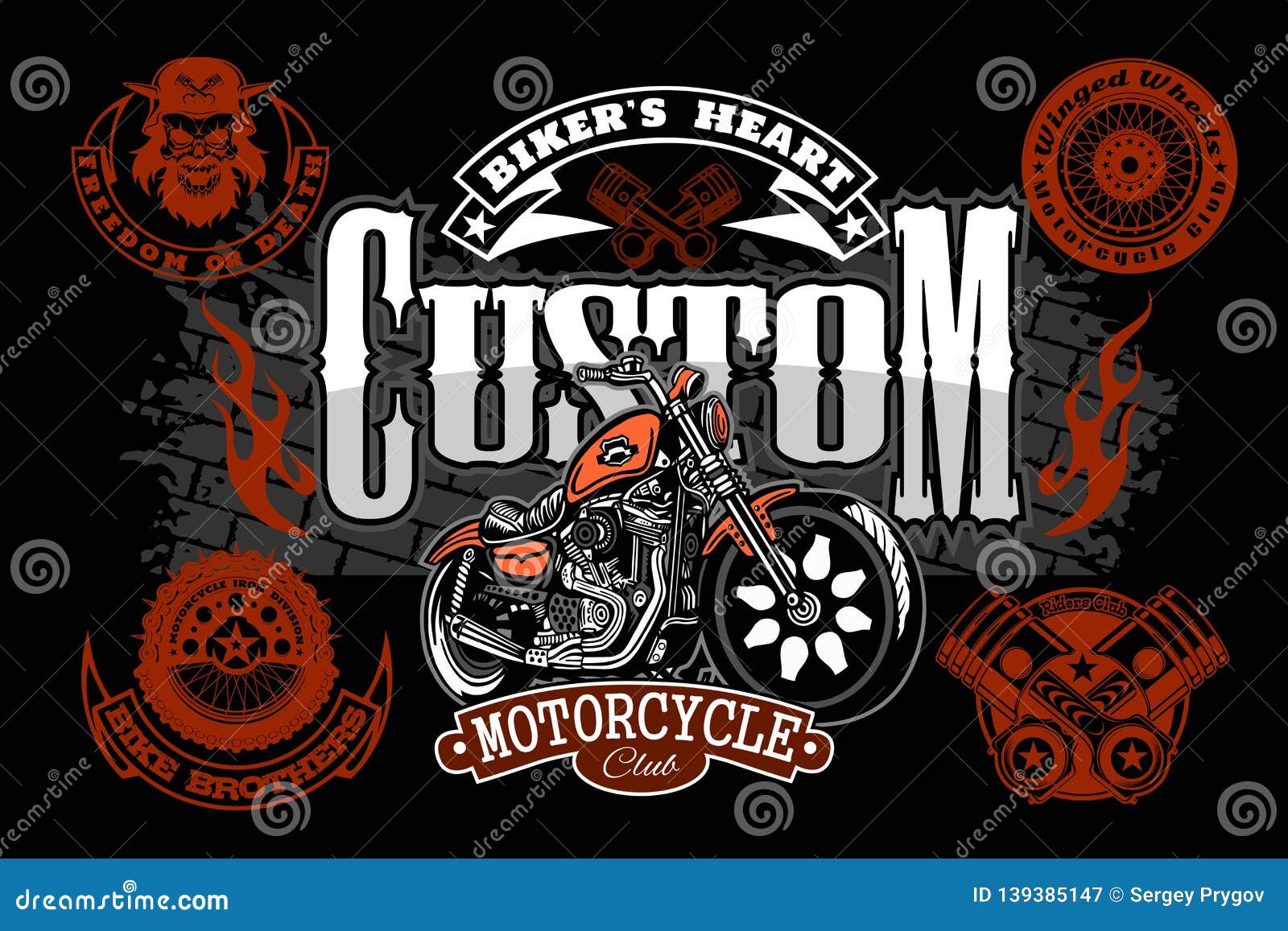
Imagine this: You’ve spent months, maybe even years, perfecting the design of your custom chopper company’s logo. It’s not just a graphic—it’s a statement. A roar on paper. A promise of rebellion, craftsmanship, and identity. But here’s the kicker: that logo isn’t truly yours until you license it. Without proper licensing, you’re not the owner—you’re just borrowing someone else’s dream. And in the world of custom motorcycles, where every bolt tells a story, your logo should be no different. So, how do you turn that killer design into a legally protected powerhouse? Let’s rev up the engine and dive into the nuts and bolts of licensing a logo for your custom chopper company.
The Identity Crisis: Why Your Logo Needs More Than Just a Pretty Face
A logo isn’t just a visual handshake—it’s the heartbeat of your brand. For a custom chopper company, it’s the difference between being another garage on the block and becoming a legend. But here’s the twist: a logo without licensing is like a bike without a title—it might look great, but it’s not really yours to ride. Licensing ensures that your logo is protected, that you have the exclusive right to use it, and that no one else can slap it on a knockoff chopper or a shady merchandise line. It’s the difference between shouting into the void and owning the conversation.
Think of it this way: Your logo is the tattoo on the soul of your business. Would you let someone else claim it as their own? Of course not. Licensing is the ink that makes it permanent, the contract that makes it unassailable. Without it, you’re at the mercy of copycats, legal gray zones, and the kind of headaches that could stall your business faster than a seized engine.

From Sketch to Contract: The Licensing Lifecycle
The journey from a doodle on a napkin to a legally binding license is a ride worth taking—if you know the route. First, you need to decide: Are you licensing an existing logo, or commissioning a custom one? If it’s the latter, your designer should be on board with the licensing terms from the get-go. A handshake won’t cut it here; you need a written agreement that spells out who owns what, how the logo can be used, and what happens if things go sideways.
Next comes the nitty-gritty: What type of license do you need? A simple usage license might suffice if you’re just slapping the logo on your website and merch. But if you’re planning to franchise, expand into international markets, or license the design to other businesses, you’ll need something more robust—a trademark or even a full copyright assignment. Each option comes with its own set of rules, fees, and limitations. Skimp on the details, and you might find yourself locked into a deal that stifles your growth—or worse, leaves you vulnerable to legal disputes.
And here’s a curveball: What if your logo includes elements that aren’t entirely original? Maybe you’ve incorporated a vintage motorcycle silhouette or a classic font. If those elements are copyrighted or trademarked by someone else, your license could be null and void before you even hit the open road. Always conduct a thorough search to ensure your logo is as unique as your bikes.
The Fine Print Fiasco: Avoiding Legal Potholes
Licensing a logo isn’t just about signing on the dotted line—it’s about reading the fine print before you do. One of the biggest pitfalls? Assuming a license is a one-size-fits-all deal. In reality, licenses are as varied as chopper styles. Some are exclusive, meaning only you can use the logo. Others are non-exclusive, allowing the designer to license the same design to multiple clients. Some are perpetual; others expire. Some allow commercial use; others restrict it to non-profit or personal projects. Get it wrong, and you could find yourself in a legal quagmire, fighting over rights you thought you owned.
Another trap? Ignoring territorial limitations. If your license only covers the U.S., but you suddenly start shipping bikes to Europe, you might be violating the agreement without even realizing it. Always clarify the geographic scope of your license to avoid unexpected roadblocks. And don’t forget about duration—some licenses are tied to a specific timeframe. Renewal clauses can be a lifesaver or a nightmare, depending on how they’re worded.
Finally, consider the dreaded termination clause. What happens if the license is revoked? What if the designer goes out of business? What if you decide to rebrand? A well-drafted contract will outline the consequences of termination, ensuring you’re not left high and dry with a logo you can no longer use.
Trademark vs. Copyright: Which Shield Protects Your Logo?
Not all intellectual property protections are created equal, and choosing the wrong one is like riding a bike with square wheels—it might move, but it won’t get you far. Copyright protects the artistic expression of your logo, meaning no one can copy your design verbatim. But it doesn’t stop them from creating something similar enough to confuse customers. Trademark, on the other hand, protects the commercial use of your logo—its association with your brand. It’s the difference between owning a painting and owning the rights to sell prints of that painting.
For a custom chopper company, a trademark is often the better choice. It prevents competitors from using a similar logo in a way that could dilute your brand’s identity. But here’s the catch: trademarks require active use in commerce. If you’re just starting out, you might need to file for an intent-to-use trademark, which gives you a grace period to launch your brand while securing your rights. And don’t forget about international trademarks—if you’re eyeing global markets, you’ll need to register in each country where you operate.
So, which should you choose? If your logo is purely decorative—a one-off design for a limited-edition bike—copyright might suffice. But if it’s the face of your business, the emblem of your reputation, trademark it. The peace of mind is worth the extra paperwork.
The Cost of Freedom: Budgeting for Licensing
Licensing a logo isn’t free, and the price tag can vary as wildly as the designs themselves. Design fees are just the tip of the iceberg. If you’re commissioning a custom logo, expect to pay anywhere from a few hundred to several thousand dollars, depending on the designer’s expertise and the complexity of the work. But the real costs come later: legal fees, trademark filings, and ongoing licensing renewals.
Trademark applications, for example, can cost hundreds of dollars per class of goods or services. International filings? Thousands. And if you need to enforce your rights—say, sending a cease-and-desist letter to a copycat—legal fees can spiral quickly. Then there’s the cost of monitoring your trademark, ensuring no one else is using it without permission. It’s an ongoing investment, but one that pays dividends in protecting your brand’s integrity.
So, how do you budget for this? Start by getting quotes from intellectual property attorneys. Many offer flat-fee packages for trademark filings, which can simplify the process. Also, consider the long-term value of your logo. If it’s central to your brand’s identity, skimping on licensing could cost you far more in the long run—whether through lost sales, legal battles, or the nightmare of rebranding down the line.
When Licensing Goes Wrong: Real-World Nightmares
Licensing isn’t just about paperwork—it’s about foresight. And sometimes, even the best-laid plans go off the rails. Take the case of a custom chopper company that licensed a logo from a freelance designer, only to discover years later that the designer had actually stolen the design from another artist. The company’s trademark was invalidated, and they had to rebrand at a cost of tens of thousands of dollars. Or consider the business that licensed a logo for U.S. use only, only to expand into Canada—only to find their license didn’t cover international markets, leaving them scrambling to renegotiate.
These aren’t hypotheticals; they’re cautionary tales. The lesson? Always conduct due diligence before signing a licensing agreement. Verify the designer’s rights to the logo. Check for existing trademarks. And if something feels off, trust your gut. A logo is the cornerstone of your brand—don’t let it become a liability.
And here’s another twist: What if your license is terminated? Maybe the designer revokes it, or your contract expires. Suddenly, you’re left with a logo you can’t use—and a rebranding nightmare. That’s why it’s crucial to negotiate exit clauses upfront. Can you continue using the logo for existing products? Do you have the right to purchase the rights outright? These details can mean the difference between a smooth transition and a full-blown crisis.
The Final Gear: Securing Your Logo’s Legacy
Licensing a logo isn’t just a legal formality—it’s an act of defiance. It’s your way of saying, “This is mine. This is who we are.” It’s the difference between a bike that’s admired and one that’s stolen. So, as you embark on this journey, remember: your logo deserves more than a handshake and a prayer. It deserves a contract, a trademark, and a team of professionals who understand the stakes.
Start by defining your needs. Are you protecting a design you already have, or commissioning something new? Research the types of licenses available and consult an intellectual property attorney to navigate the complexities. And always, always read the fine print. Your logo is the soul of your brand—treat it like the prized possession it is.
Because in the world of custom choppers, where every detail matters, your logo isn’t just a graphic. It’s a legacy. And it’s time to give it the protection it deserves.