Picture this: You’re standing in your garage, the hum of a freshly tuned engine still lingering in the air, your custom chopper gleaming under the fluorescent lights. The wheels are spinning, the chrome is gleaming, and the road is calling. But then, a question slithers into your mind like a serpent in the night—chain or belt? Not just any chain or belt, mind you, but the very lifeblood of your machine’s motion. This isn’t just about aesthetics; it’s about soul, performance, and the kind of ride that makes neighbors pause mid-sip of their morning coffee. So, which will it be? The rugged, time-tested chain that’s carried legends across continents, or the sleek, silent belt that whispers promises of a smoother tomorrow?
The Clash of Titans: Chain Drive vs. Belt Drive—A Tale of Two Souls
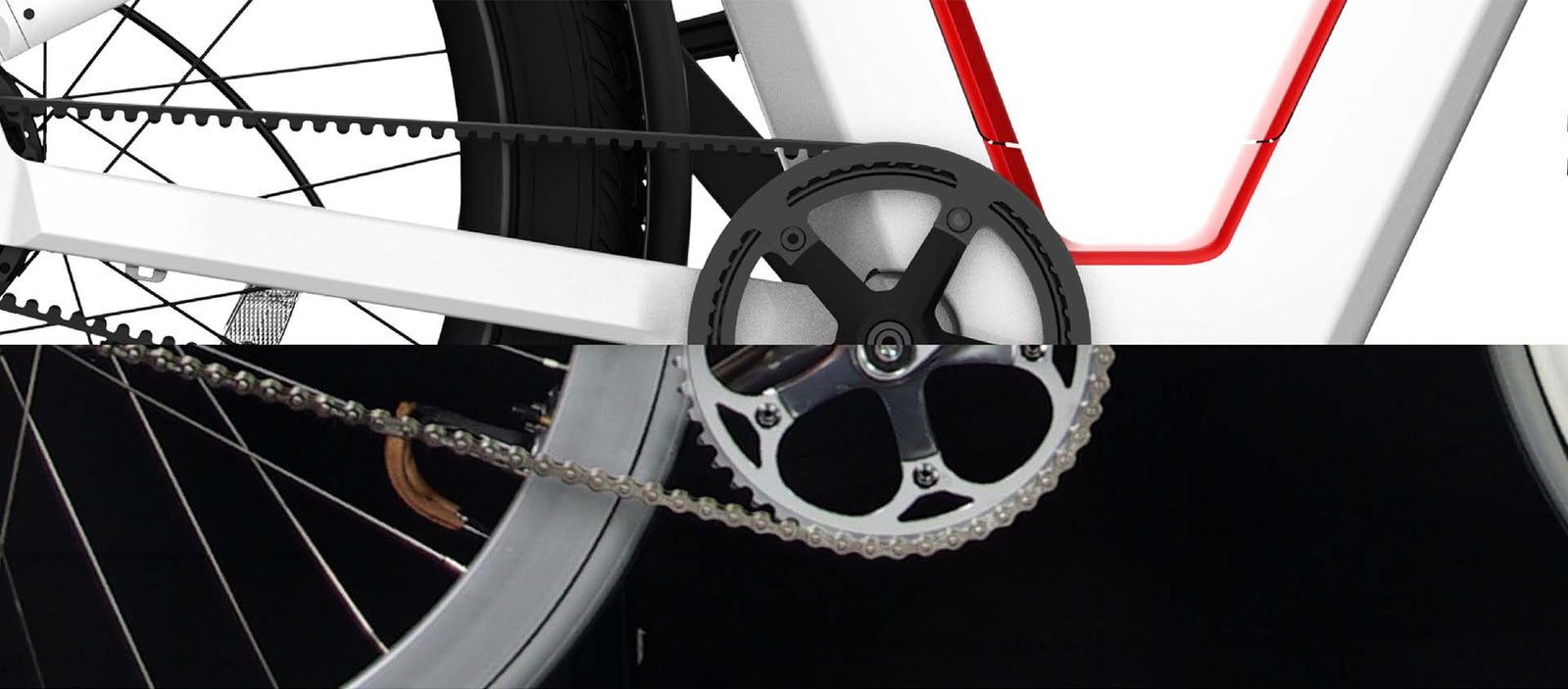
At the heart of every custom chopper lies a drivetrain, the unsung hero that translates raw power into motion. The chain drive, a relic of mechanical poetry, has been the backbone of motorcycling for over a century. It’s the gritty, oil-stained workhorse, the kind of system that thrives on chaos and demands respect. Every link is a promise, every rivet a testament to endurance. But chains are needy. They demand constant lubrication, tension adjustments, and the occasional heroic sacrifice when a link snaps mid-ride, leaving you stranded like a cowboy in the desert.
Enter the belt drive—a modern marvel of engineering, born from the marriage of rubber and steel. It’s the silent assassin of vibration, the smooth operator that glides like a shadow. No more oily fingers, no more clanking symphonies at 3 AM. Just pure, unadulterated motion. But is it all sunshine and rainbows? Not quite. Belts, while low-maintenance, are less forgiving when it comes to misalignment or sudden shocks. One misstep, and you’re staring down the barrel of a costly replacement.
The Aesthetic Divide: Form Meets Function in a Battle of Styles
Custom choppers aren’t just machines; they’re rolling declarations of identity. The chain drive is the rebel, the chain-smoking poet of the motorcycle world. It’s visible, it’s loud, it’s unapologetic. There’s a raw beauty in the way it snakes around the sprockets, a visual rhythm that syncs with the heartbeat of the engine. It’s the choice of purists, of builders who want every bolt and bearing to tell a story.
On the other side, the belt drive is the minimalist artist, the one who prefers subtlety over spectacle. It’s tucked away, hidden beneath sleek covers, its presence felt more than seen. There’s an elegance to it, a futuristic edge that speaks of precision and refinement. It’s the choice of those who see their chopper as a statement piece, a rolling piece of art where every line is deliberate. But beware—some purists sneer at belts, dismissing them as “too clean,” as if a machine’s worth is measured by the grime on its hands.

The Performance Paradox: Power, Efficiency, and the Unseen Struggle
Performance isn’t just about horsepower; it’s about how that power is delivered. Chain drives excel in raw, unfiltered power transfer. They’re the sprinters of the drivetrain world, quick to respond and eager to please. But this comes at a cost—friction. Every link dragging against the sprocket generates heat, sapping efficiency like a thief in the night. And let’s not forget the weight. Chains are heavy, adding unsprung mass that can dull the nimbleness of your chopper.
The belt drive, however, is the marathon runner—efficient, enduring, and relentlessly smooth. Its lack of metal-to-metal contact means less friction, less heat, and more of your engine’s power actually reaching the rear wheel. It’s also lighter, which translates to better handling and a ride that feels almost alive beneath you. But here’s the catch: belts stretch. Over time, they lose tension, and if you ignore them, you’ll pay the price with a sudden, catastrophic failure. No warning, no mercy—just a dead engine and a long walk home.
Maintenance: The Silent Killer of Dreams
Every chopper owner knows the mantra: maintenance is love. But love isn’t always easy. Chain drives demand a ritualistic devotion—cleaning, lubricating, adjusting tension, checking for wear. Skip a step, and you’ll find yourself knee-deep in a mechanical nightmare, your once-proud chopper reduced to a squeaking, grinding mess. It’s a labor of passion, but passion can wane when you’re elbow-deep in degreaser at midnight.
Belt drives, on the other hand, are the low-maintenance lovers of the motorcycle world. A quick visual inspection, an occasional tension check, and you’re done. No more greasy hands, no more wrestling with stubborn links. But this convenience comes with a caveat: belts are less forgiving of abuse. A misaligned pulley or a sudden jolt can spell disaster, and unlike chains, belts don’t give you the luxury of a warning sign. It’s all or nothing.

The Cost Conundrum: Where Your Wallet Meets Your Ambitions
Money talks, and in the world of custom choppers, it screams. Chain drives are the budget-friendly option, at least upfront. A quality chain and sprocket setup won’t break the bank, and replacements are relatively inexpensive. But over time, the costs add up—lubricants, cleaning supplies, and the inevitable wear and tear. It’s a slow bleed of your wallet, but one that’s easy to ignore until it’s too late.
Belt drives, meanwhile, are the luxury choice. The initial investment is higher, and high-quality belts don’t come cheap. But what you lose in upfront cost, you gain in longevity and peace of mind. No more oil changes for your drivetrain, no more frantic trips to the hardware store for a replacement chain. It’s a trade-off: pay now, or pay later—and later always costs more.
Making the Choice: A Question of Heart Over Head
So, how do you decide? Do you embrace the raw, unfiltered soul of the chain drive, with all its demands and rewards? Or do you opt for the silent efficiency of the belt, trading grit for grace? The answer lies not in specs or spreadsheets, but in the very essence of what your chopper means to you.
If you’re a builder who sees your machine as a canvas for rebellion, if you thrive on the tactile joy of wrenching and tweaking, then the chain drive is your muse. It’s a relationship built on struggle and triumph, on the kind of love that’s forged in sweat and oil stains. But if you’re someone who values elegance and simplicity, who wants a ride that’s as smooth as it is striking, then the belt drive is your partner in crime. It’s the choice of those who see their chopper as a masterpiece, not just a machine.
Whichever you choose, remember this: the perfect drivetrain isn’t about perfection. It’s about passion. It’s about the way your chopper feels beneath you, the sound it makes, the way it responds to your touch. It’s about the stories you’ll tell, the miles you’ll ride, and the memories you’ll create. So go ahead—make your choice. But choose wisely. Your chopper’s soul depends on it.