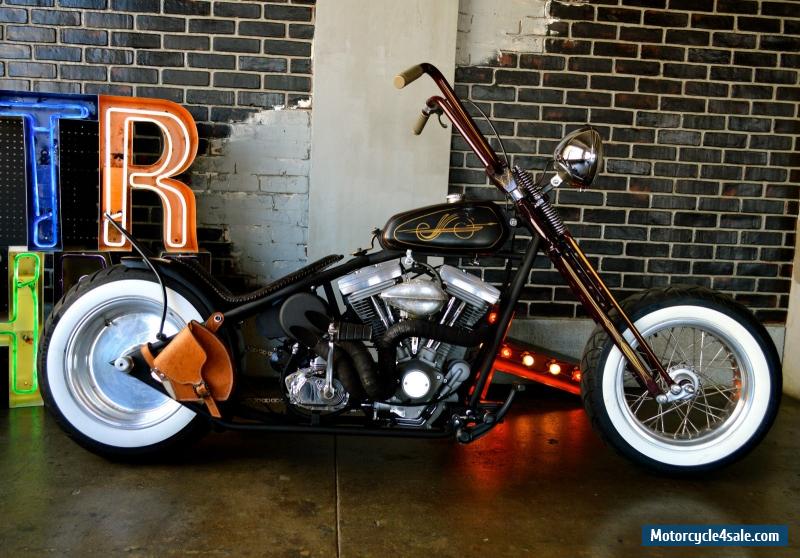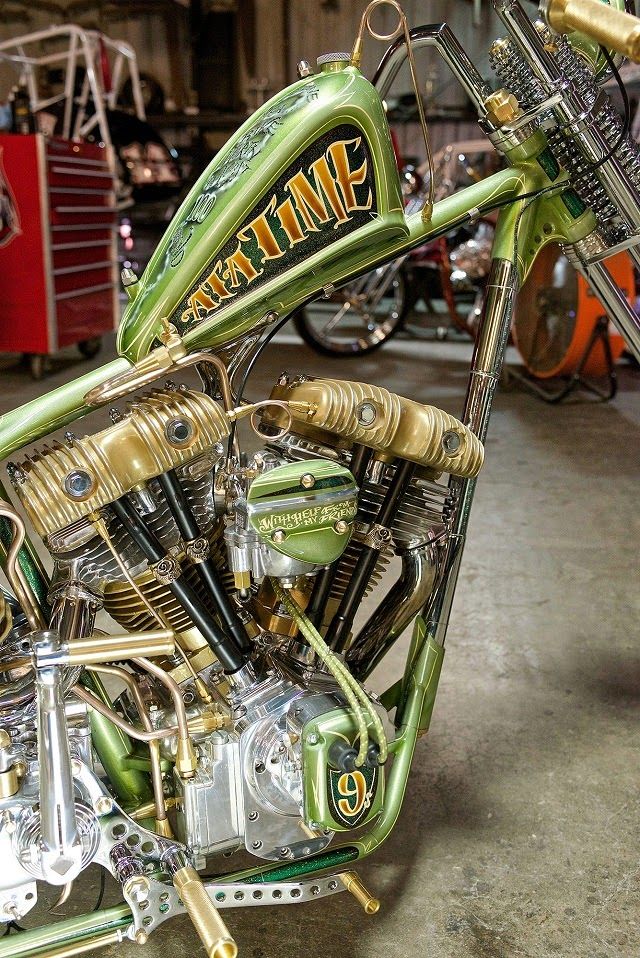
The Suede Paint Chopper Style isn’t just a trend—it’s a rebellion against the sterile precision of modern aesthetics. It’s the gritty, tactile counterpoint to sleek minimalism, a visual language that whispers of rebellion, nostalgia, and unapologetic individuality. This style thrives in the tension between raw imperfection and deliberate artistry, where the brushstrokes aren’t just seen but felt. It’s the kind of design that doesn’t just adorn a space; it transforms it into a living, breathing entity—one that tells a story of craftsmanship, defiance, and the quiet power of texture.
The Allure of the Unrefined: Why Suede Captivates the Imagination
There’s something inherently primal about suede. Unlike its polished cousins—leather, vinyl, or synthetic alternatives—suede doesn’t just sit on a surface; it invites touch. Its nap, that velvety down of soft fibers, resists the cold uniformity of machine-made perfection. This isn’t a material for the detached observer; it’s for those who crave the tactile. The Suede Paint Chopper Style leverages this allure, using suede as both a medium and a metaphor. It’s the antithesis of the sterile, the sanitized, the mass-produced. In a world dominated by glass and steel, suede is the whisper of the handcrafted, the imperfect, the real.
Consider the way light plays on suede’s surface—how it catches the fibers in a dance of shadows and highlights, creating a living topography that shifts with every movement. This isn’t just decoration; it’s an experience. The Suede Paint Chopper Style harnesses this dynamism, turning walls, furniture, and even vehicles into canvases that evolve with the environment. It’s a style that doesn’t just occupy space; it animates it.

The Chopper Aesthetic: Rebellion Wrapped in Velvet
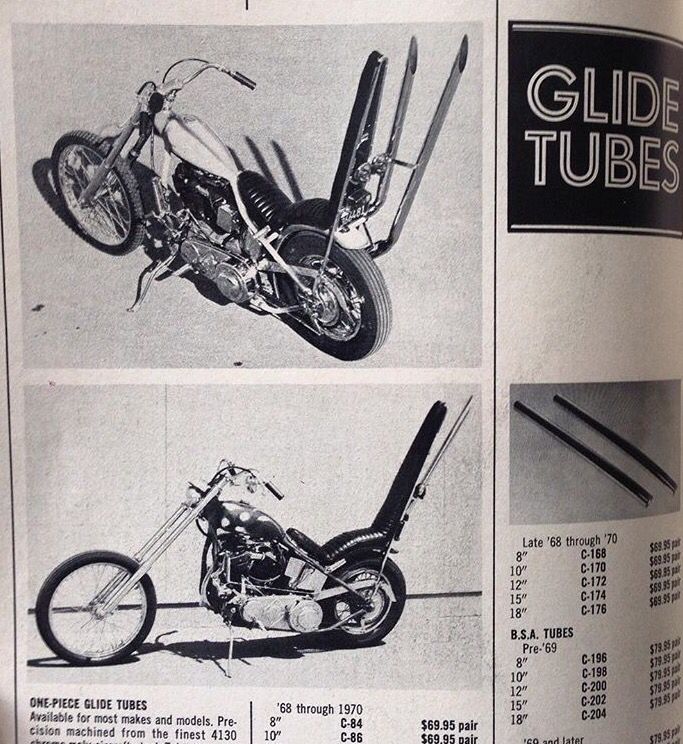
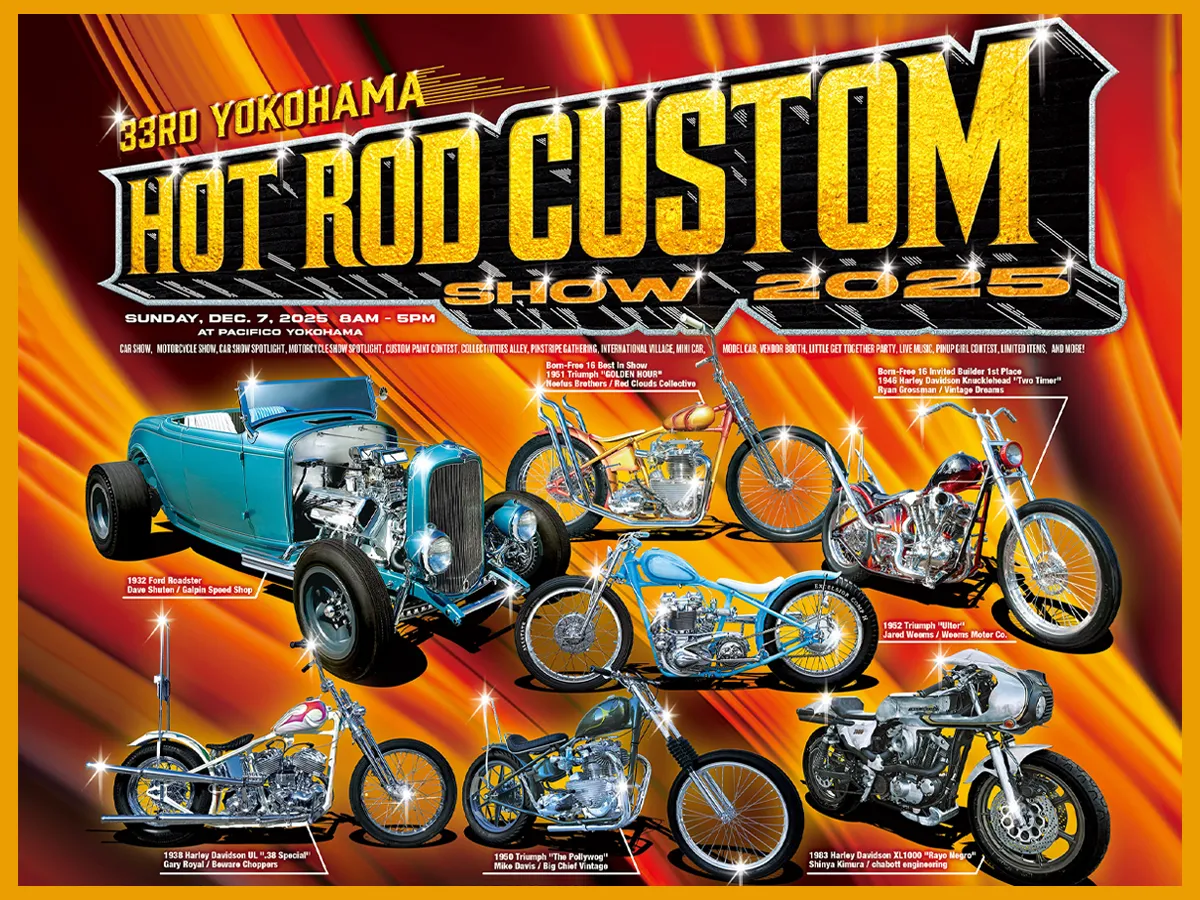
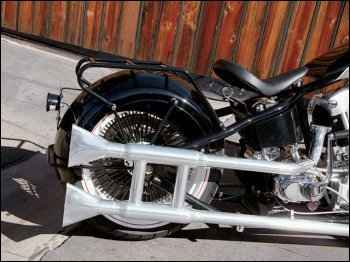
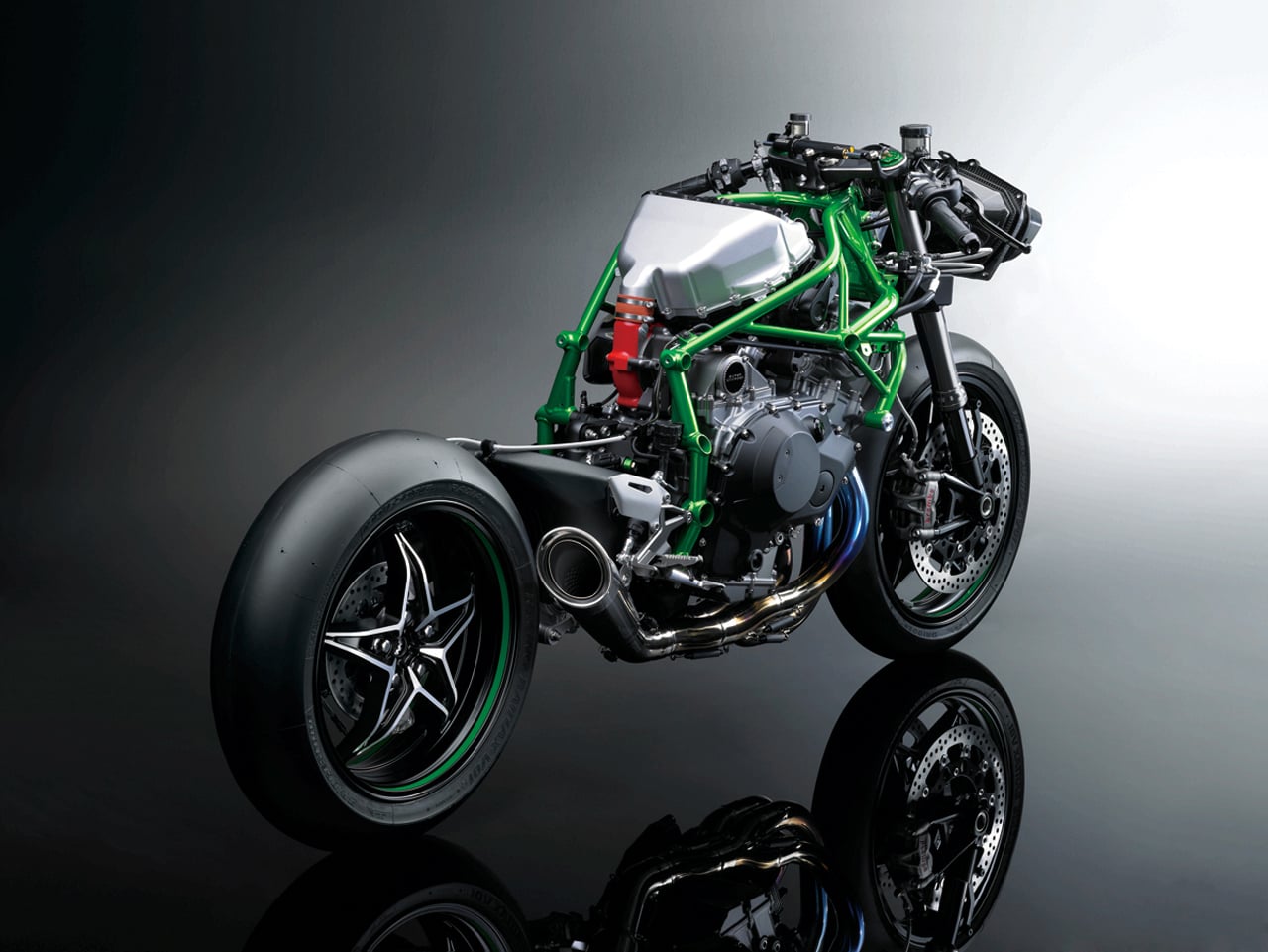
The term “chopper” evokes images of motorcycles stripped down to their raw, unfiltered essence—engines exposed, frames elongated, every bolt and weld a testament to customization. But the Suede Paint Chopper Style takes this ethos beyond the garage. It’s a philosophy applied to interiors, fashion, and even automotive design, where the goal isn’t just to stand out but to assert a presence. Suede becomes the vehicle for this rebellion, its softness belying the hardness of the message it carries.
In this style, suede isn’t just a material; it’s a statement. It’s the choice of those who reject the cookie-cutter, who see beauty in the asymmetrical, the worn, the lived-in. A suede-upholstered chair isn’t just furniture; it’s a manifesto. A suede-painted wall isn’t just decor; it’s a declaration. The Chopper aesthetic thrives on contrast—soft against hard, organic against industrial, the ephemeral against the eternal. It’s a style that doesn’t just decorate; it disrupts.
The Psychology of Texture: Why We’re Drawn to the Tactile
Human beings are wired to seek texture. From the moment we’re born, touch is our primary way of understanding the world. The Suede Paint Chopper Style taps into this primal connection, offering a sensory experience that digital perfection can never replicate. There’s a psychological comfort in knowing that something is real, that it has weight and substance. Suede, with its subtle grain and responsive nap, satisfies this craving. It’s a material that doesn’t just please the eye; it engages the fingertips.
This fascination with texture isn’t just about aesthetics—it’s about memory. The feel of suede can evoke childhood memories of a favorite jacket, the warmth of a loved one’s sweater, or the rough-hewn charm of a vintage armchair. The Suede Paint Chopper Style leverages these associations, creating spaces and objects that feel familiar yet fresh. It’s a style that doesn’t just occupy the present; it echoes the past while pointing toward the future.
Color as Character: The Palette of the Suede Chopper
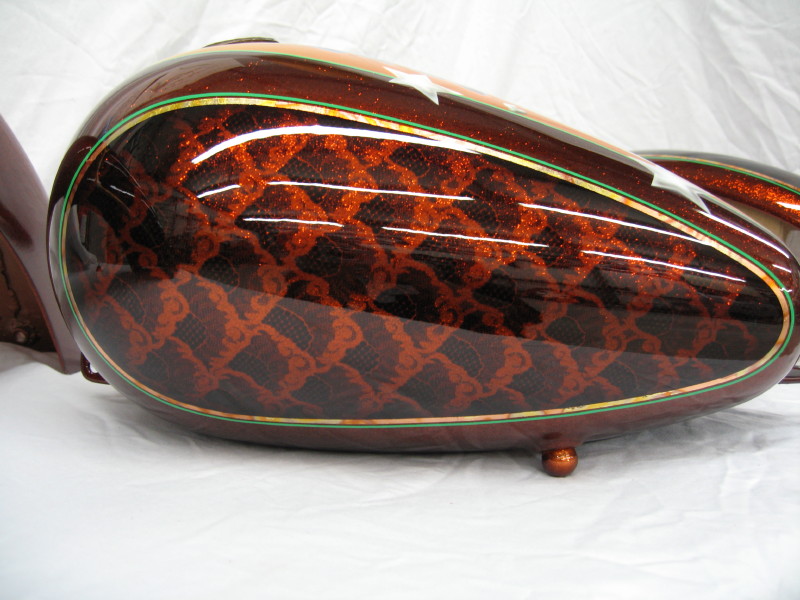
The colors of the Suede Paint Chopper Style aren’t just hues; they’re personalities. Earthy browns and burnt oranges evoke the ruggedness of a desert landscape, while deep blues and blacks channel the mystery of a moonlit ride. The palette is intentionally bold, unafraid to make a statement. It’s a rejection of the neutral, the safe, the predictable. Instead, it embraces the richness of nature, the depth of history, and the vibrancy of individuality.
What makes this palette so compelling is its versatility. A suede-upholstered sofa in a deep burgundy can anchor a room with warmth and sophistication, while a suede-painted accent wall in a muted olive green can add a touch of organic elegance. The key is balance—using color to create harmony without sacrificing the style’s inherent boldness. The Suede Paint Chopper Style doesn’t just use color; it wields it like a tool, shaping emotions and defining spaces with every stroke.
From Garage to Gallery: The Evolution of the Style
The Suede Paint Chopper Style didn’t emerge from the sterile halls of design schools. It grew out of the garages, the backrooms, the places where creativity thrives outside the constraints of convention. It’s a style that owes as much to the custom motorcycle scene as it does to high-end interior design. This cross-pollination of cultures—where the raw meets the refined—is what gives the style its power. It’s a reminder that great design doesn’t have to be born in a boardroom; it can rise from the asphalt, the workshop, the hands of those who dare to defy.
Today, the style has evolved beyond its subcultural roots. It’s found its way into luxury homes, boutique hotels, and even high-end automotive interiors. Yet, it retains its rebellious spirit. The Suede Paint Chopper Style isn’t about following trends; it’s about setting them. It’s about creating something that feels personal, that tells a story, that refuses to be ignored. Whether it’s a suede-clad motorcycle seat or a suede-accented living room, the style’s essence remains the same: it’s unapologetically itself.
The Future of Suede: Sustainability and Innovation
As the world becomes more conscious of sustainability, the Suede Paint Chopper Style faces a new challenge: how to maintain its ethos of individuality while minimizing its environmental footprint. The answer lies in innovation. Eco-friendly suede alternatives, such as mushroom leather or recycled polyester blends, are already making waves. These materials offer the same tactile richness and visual appeal as traditional suede but with a fraction of the environmental cost. The style’s future may well depend on its ability to adapt, to embrace new technologies without losing its soul.
Yet, even as materials evolve, the core of the Suede Paint Chopper Style remains unchanged. It’s still about texture, about color, about the unfiltered expression of personality. It’s about creating spaces and objects that feel alive, that invite interaction, that refuse to be ignored. The future of the style isn’t just about sustainability; it’s about staying true to its roots while pushing boundaries. It’s about proving that even in a world of digital perfection, there’s still room for the real, the tactile, the beautifully imperfect.