The allure of a custom chopper is undeniable—its gleaming chrome, the roar of its engine, the unmistakable presence it commands on the open road. Orange County Choppers (OCC), founded by the legendary Paul Teutul Sr. and immortalized by the hit TV show *American Chopper*, represents the pinnacle of American motorcycle craftsmanship. For enthusiasts, owning an OCC bike isn’t just about transportation; it’s about legacy, artistry, and the thrill of riding something truly one-of-a-kind. Yet, as with any high-value collectible, the market for OCC motorcycles is rife with pitfalls. eBay, the digital bazaar of the modern age, has become a go-to destination for buyers seeking these iconic machines—but it’s also a minefield of misinformation, overpriced listings, and outright scams. If you’re considering purchasing an OCC chopper on eBay, arm yourself with knowledge. This guide will navigate the treacherous waters of online chopper shopping, revealing what to expect, what to avoid, and how to ensure you’re getting a deal—or at least not getting fleeced.
The Allure and the Illusion: Why OCC Bikes Command Such Devotion
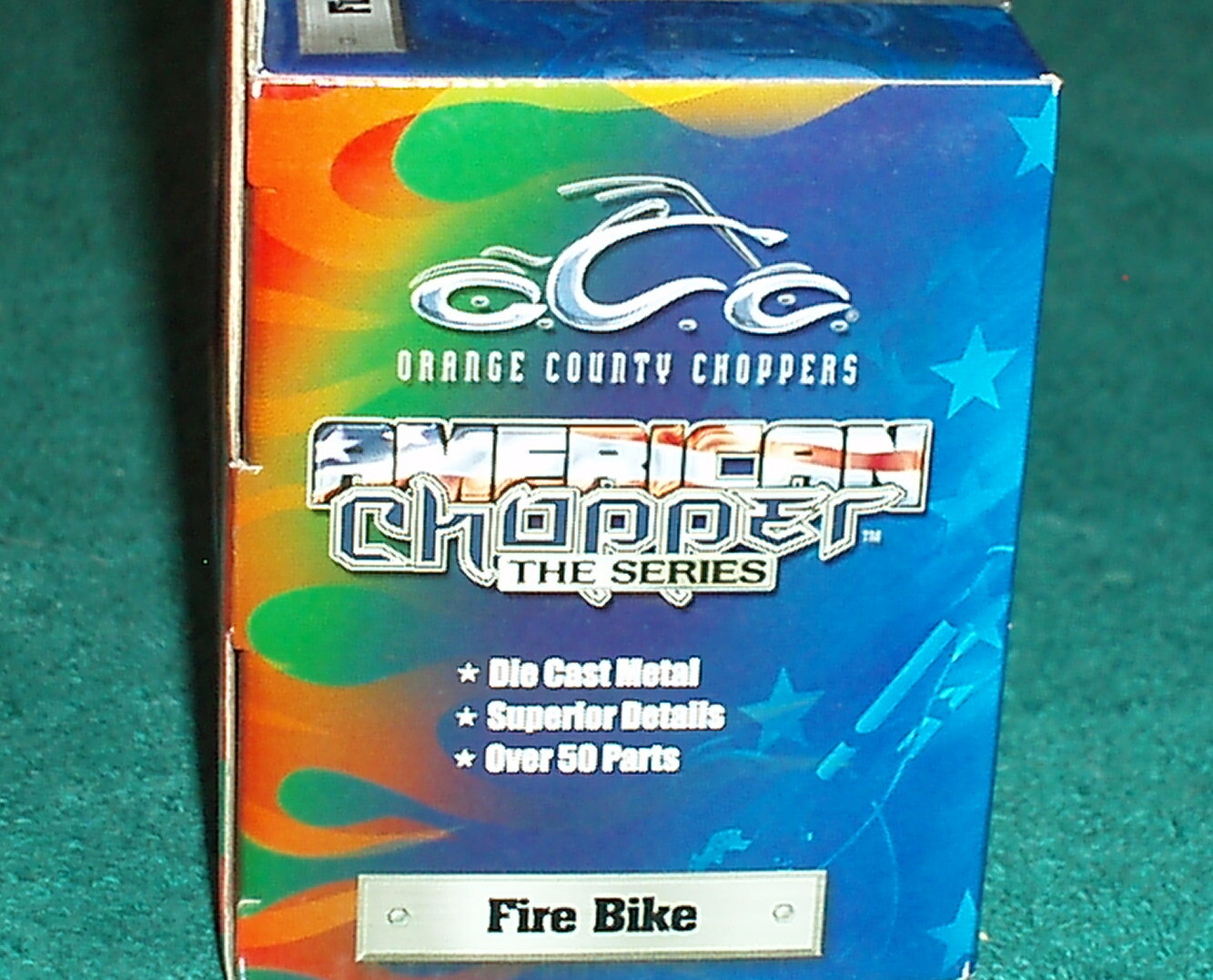
Orange County Choppers didn’t just build motorcycles; they built a cultural phenomenon. The Teutul family’s creations—from the fire-breathing “Fire Bike” to the patriotic “Patriot” series—transcended engineering to become symbols of American ingenuity and rebellion. Each OCC chopper is a rolling canvas, adorned with intricate metalwork, hand-painted flames, and custom frames that defy convention. For collectors, these bikes are more than steel and rubber; they’re investments in nostalgia, craftsmanship, and the spirit of the open road.
But here’s the catch: not every bike labeled “OCC” is a genuine Teutul creation. The brand’s popularity has spawned countless knockoffs, replicas, and “inspired by” models that flood online marketplaces. On eBay, you’ll encounter everything from authentic, meticulously restored OCC bikes to suspiciously cheap “OCC-style” choppers that bear little resemblance to the real deal. The illusion of authenticity is powerful—until you peel back the layers and find a machine that’s more “Chinese import” than “American masterpiece.”


The emotional pull of owning an OCC bike is undeniable, but emotions have no place in a transaction where thousands of dollars—and your pride—are on the line. Before you click “Buy It Now,” ask yourself: Is this bike a true OCC, or just a shadow of the real thing? The answer could mean the difference between a prized possession and a costly mistake.
The eBay Marketplace: A Double-Edged Sword for Chopper Buyers
eBay’s vast digital marketplace offers unparalleled access to OCC bikes from across the globe. You’ll find everything from pristine, low-mileage models to heavily modified “project bikes” that need a decade’s worth of work. The platform’s auction system can yield bargains, while its “Buy It Now” listings promise convenience—if you’re willing to pay a premium. But eBay’s greatest strength—its diversity—is also its greatest weakness. Without careful scrutiny, you could easily end up with a bike that’s overpriced, misrepresented, or worse, a complete fabrication.
Consider the typical eBay OCC listing: a series of glossy photos, a laundry list of features, and a seller who insists the bike is “in perfect running condition.” Yet, the fine print often reveals a different story. Terms like “sold as-is,” “no returns,” or “untested” should set off alarm bells. Some sellers go to great lengths to obscure a bike’s true condition, using clever angles to hide rust, mismatched parts, or non-OCC components. Others employ psychological tactics, like “urgency” language (“Only one left!”) or fake testimonials, to pressure buyers into impulsive decisions.
The anonymity of eBay transactions exacerbates the problem. Unlike a traditional dealership, where you can inspect a bike in person, online purchases rely entirely on trust—and trust is a currency that’s in short supply in the chopper world. Scammers thrive in this environment, peddling bikes that don’t exist, using stolen photos, or disappearing with your money the moment the payment clears. Even legitimate sellers may not fully grasp the nuances of OCC bikes, leading to mislabeled parts, incorrect model years, or exaggerated provenance.

To navigate this labyrinth, you’ll need more than just a keen eye—you’ll need a strategy. Research is your best defense. Study OCC’s official models, familiarize yourself with their serial numbers, and compare listings against known authentic examples. If a deal seems too good to be true, it probably is. And if a seller refuses to provide additional photos, videos, or a pre-purchase inspection, walk away. The road to owning an OCC bike should be paved with diligence, not regret.
Spotting the Fakes: How to Separate Genuine OCC Bikes from Imposters
The chopper world is rife with counterfeits, and OCC bikes are prime targets. Distinguishing a real Teutul creation from a knockoff requires a detective’s eye and a mechanic’s intuition. Start with the basics: OCC bikes are built in the USA, and their frames, forks, and components bear the mark of American craftsmanship. If a listing claims the bike was “handcrafted in China” or features suspiciously generic parts, it’s likely a fake. Authentic OCC bikes also have a distinct aesthetic—think hand-welded frames, custom gas tanks with intricate designs, and exhaust systems that look like they belong in a museum, not a junkyard.
Serial numbers are another critical clue. Genuine OCC bikes have unique identifiers that can be traced back to the factory. If a seller can’t provide a serial number or the one they offer doesn’t match OCC’s records, red flags should start waving. Similarly, be wary of bikes that have been “heavily modified” beyond OCC’s signature style. While customization is part of the chopper culture, drastic changes—like swapping out the frame or engine—can void a bike’s authenticity. Look for telltale signs of OCC’s work: the signature “OCC” logo on the gas tank, the distinctive seat designs, and the overall balance of the bike’s proportions.
Photos are your most powerful tool in this battle. Demand high-resolution images from multiple angles, including the frame, engine, and undercarriage. Look for inconsistencies in paint colors, welds, and hardware. Authentic OCC bikes have a level of detail that’s hard to replicate—subtle curves in the metalwork, hand-painted flames with depth, and a finish that gleams like a showroom floor. If the photos look like they were taken with a potato, or if the bike appears to be floating in a void without a background, it’s a sign the seller is hiding something.
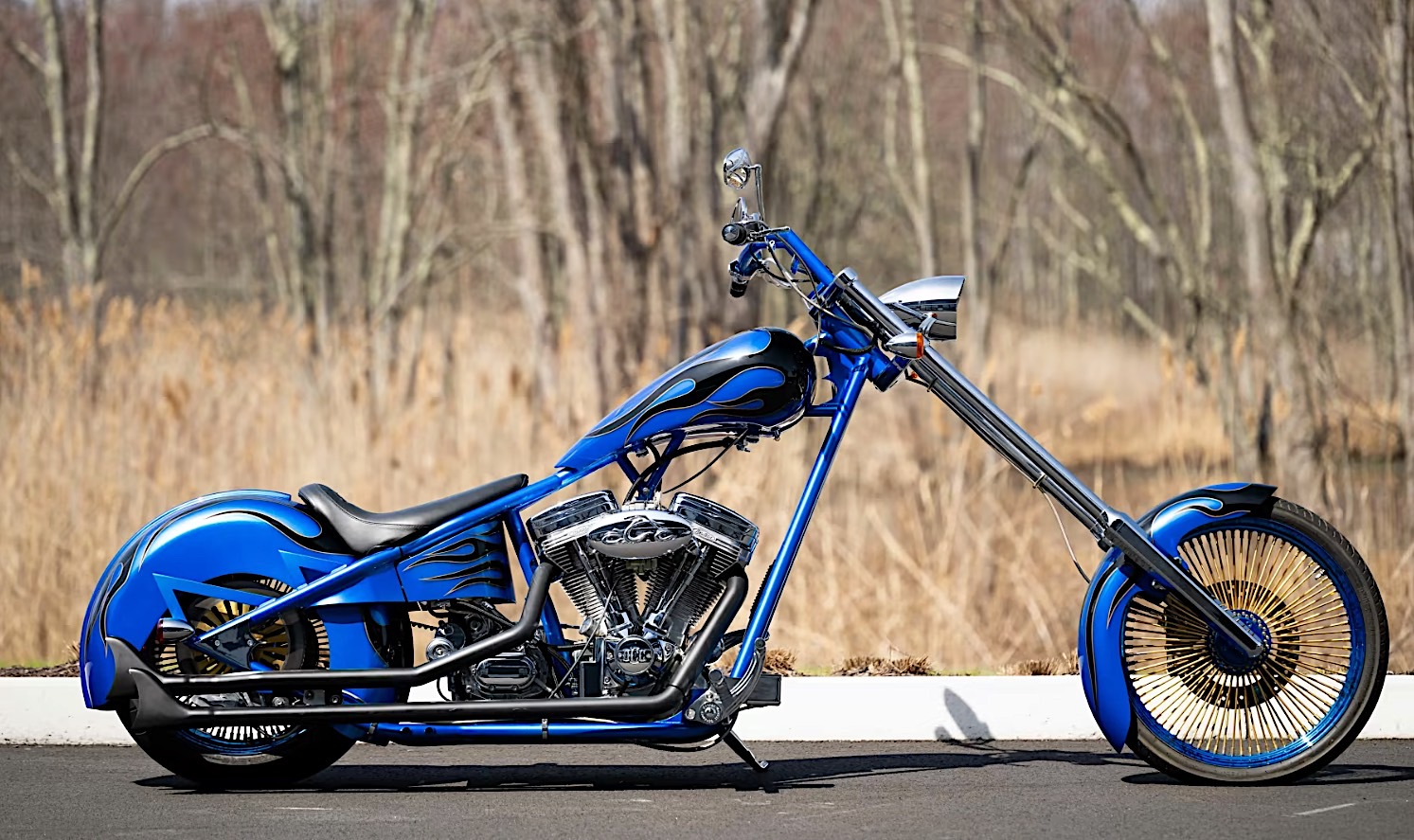
Finally, trust your gut. If a listing feels off—if the seller is evasive, if the price seems inflated for no clear reason—it’s better to pass. The chopper world is full of stories about buyers who ignored their instincts and ended up with a pile of junk. Don’t become one of them.
The Hidden Costs: What Sellers Won’t Tell You About OCC Bikes
Buying an OCC bike on eBay isn’t just about the sticker price. The true cost of ownership often lurks in the fine print, waiting to ambush the unwary buyer. Shipping, for instance, can be a nightmare. OCC bikes are heavy, bulky, and often require specialized transport. A cross-country shipment might cost thousands, and if the bike arrives damaged due to poor packaging, you’ll be left footing the bill for repairs. Some sellers offer “free shipping,” but this usually means they’ve inflated the price to cover the cost—so you’re paying for it either way.
Then there’s the issue of parts. OCC bikes are custom machines, and finding replacement parts can be a Herculean task. If the bike is missing a critical component—like a proprietary gas tank or a custom exhaust—you might spend months tracking it down, only to discover it’s discontinued. Even routine maintenance can become a challenge. OCC bikes often use non-standard parts, and a simple oil change might require a trip to a specialist mechanic who charges premium rates. Factor in the cost of insurance, registration, and potential modifications to make the bike road-legal, and the total price tag can balloon far beyond the initial purchase.
Warranties are another gray area. Unlike mass-produced motorcycles, OCC bikes often come with no manufacturer’s warranty. If something breaks within the first few months, you’re on your own. Some sellers offer “limited warranties,” but these are often worthless—either because the seller disappears after the transaction or because the warranty excludes the most common issues. Always read the fine print and ask pointed questions: What exactly is covered? How long does the warranty last? Who handles repairs if something goes wrong?
And let’s not forget the emotional cost. Owning an OCC bike is a point of pride for many enthusiasts, but it can also be a source of stress. A bike that doesn’t start, a frame that’s warped, or a paint job that’s peeling can turn a dream purchase into a nightmare. Before you commit, ask yourself: Can you handle the frustration of owning a bike that’s more “project” than “pleasure”? Are you prepared to sink time and money into restoring it to its former glory? If the answer is no, you might want to reconsider—or at least set a strict budget for repairs.
Negotiation Tactics: How to Haggle Like a Pro (Without Getting Screwed)
eBay’s auction system and “Buy It Now” listings offer different paths to ownership, but both require a savvy approach to negotiation. If you’re bidding on an OCC bike, set a strict maximum price—and stick to it. It’s easy to get caught up in the thrill of the auction, but remember: the winning bidder isn’t always the smartest buyer. Research the bike’s market value beforehand. Check completed listings for similar models to gauge a fair price. If the current bid is already above your maximum, walk away. There will always be another bike—just not always another chance to avoid overpaying.
For “Buy It Now” listings, negotiation is trickier but not impossible. Start by making a lowball offer—aim for 60-70% of the asking price. Sellers often inflate prices by 20-30% to leave room for haggling, so your lowball might still be within their acceptable range. Be polite but firm in your counteroffer, and justify it with evidence. Point out any flaws in the listing—missing photos, vague descriptions, or signs of wear—and use them to negotiate a better deal. If the seller refuses to budge, walk away. There’s no shortage of OCC bikes on eBay, and patience is your greatest ally.
Timing can also work in your favor. Listings that are about to expire or have received little attention are prime targets for negotiation. Sellers are more likely to accept a lower offer if they’re desperate to close the deal. Similarly, listings posted late at night or during holidays often go unnoticed, giving you an edge. And don’t underestimate the power of silence. If a seller asks for your best offer, respond with a counter that’s lower than your maximum. Often, they’ll accept it rather than risk losing the sale.
But beware of the hard sell. If a seller pressures you with phrases like “This won’t last!” or “Multiple buyers interested!”, it’s a sign they’re overconfident—or overpriced. Authentic OCC bikes sell themselves; they don’t need gimmicks. If the negotiation feels more like a hostage situation than a transaction, it’s time to find another bike. The right OCC chopper won’t require you to beg for a discount—it’ll practically sell itself.
The Aftermath: What to Do Once the Bike Arrives (Or Doesn’t)
The moment of truth arrives when your OCC bike finally lands on your doorstep—or doesn’t. If the bike arrives as described, congratulations! But don’t pop the champagne just yet. Inspect it thoroughly, preferably with a mechanic by your side. Check the frame for cracks, the engine for leaks, and the electrical system for faults. Test the brakes, the suspension, and the throttle response. If anything feels off, document it immediately. Take photos and videos of any damage or discrepancies, and contact the seller right away. Under eBay’s buyer protection policy, you may be entitled to a refund or partial reimbursement if the bike isn’t as described.
If the bike arrives damaged or doesn’t match the listing, act fast. File a dispute with eBay within the allotted timeframe (usually 30 days for returns) and provide as much evidence as possible. Sellers who are legitimate will often work with you to resolve the issue, whether through a partial refund, a replacement, or a return label. But be prepared for resistance. Some sellers will ghost you, deny responsibility, or claim the damage was pre-existing. In these cases, escalate the dispute to eBay’s resolution center. They have the power to force a refund or penalize the seller, but it’s a process that requires patience and persistence.
If the bike never arrives at all, your recourse is more limited. eBay’s buyer protection covers “item not received” claims, but only if you’ve paid through PayPal or eBay’s managed payments system. If you used a wire transfer or gift card, you’re out of luck. This is why it’s critical to use eBay’s secure payment methods and avoid sellers who insist on alternative transactions. Scammers thrive in the shadows of unregulated payments, and once the money is gone, it’s nearly impossible to get it back.
And what if the bike arrives, but it’s a fake? Unfortunately, eBay’s buyer protection doesn’t cover misrepresented items unless you can prove the seller knew (or should have known) the bike was inauthentic. This is where your research pays off. If you can demonstrate that the bike’s serial number, parts, or craftsmanship don’t match OCC’s standards, you may have a case. But be prepared for a uphill battle. Sellers who peddle fakes are often skilled at covering their tracks, and eBay’s resolution process favors the seller unless you have ironclad evidence.
The aftermath of an OCC purchase can be a rollercoaster of emotions—exhilaration, frustration, relief, or outright despair. But no matter the outcome, treat the experience as a lesson. Every chopper buyer encounters pitfalls; the key is to learn from them and emerge wiser. Whether your OCC bike becomes a prized possession or a cautionary tale, the journey is part of the adventure.