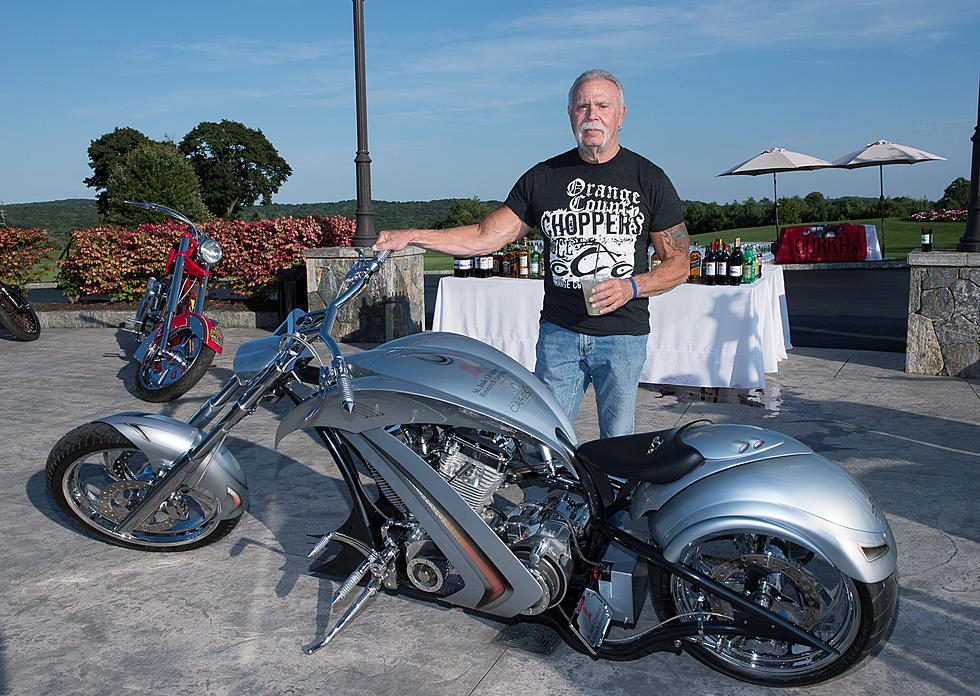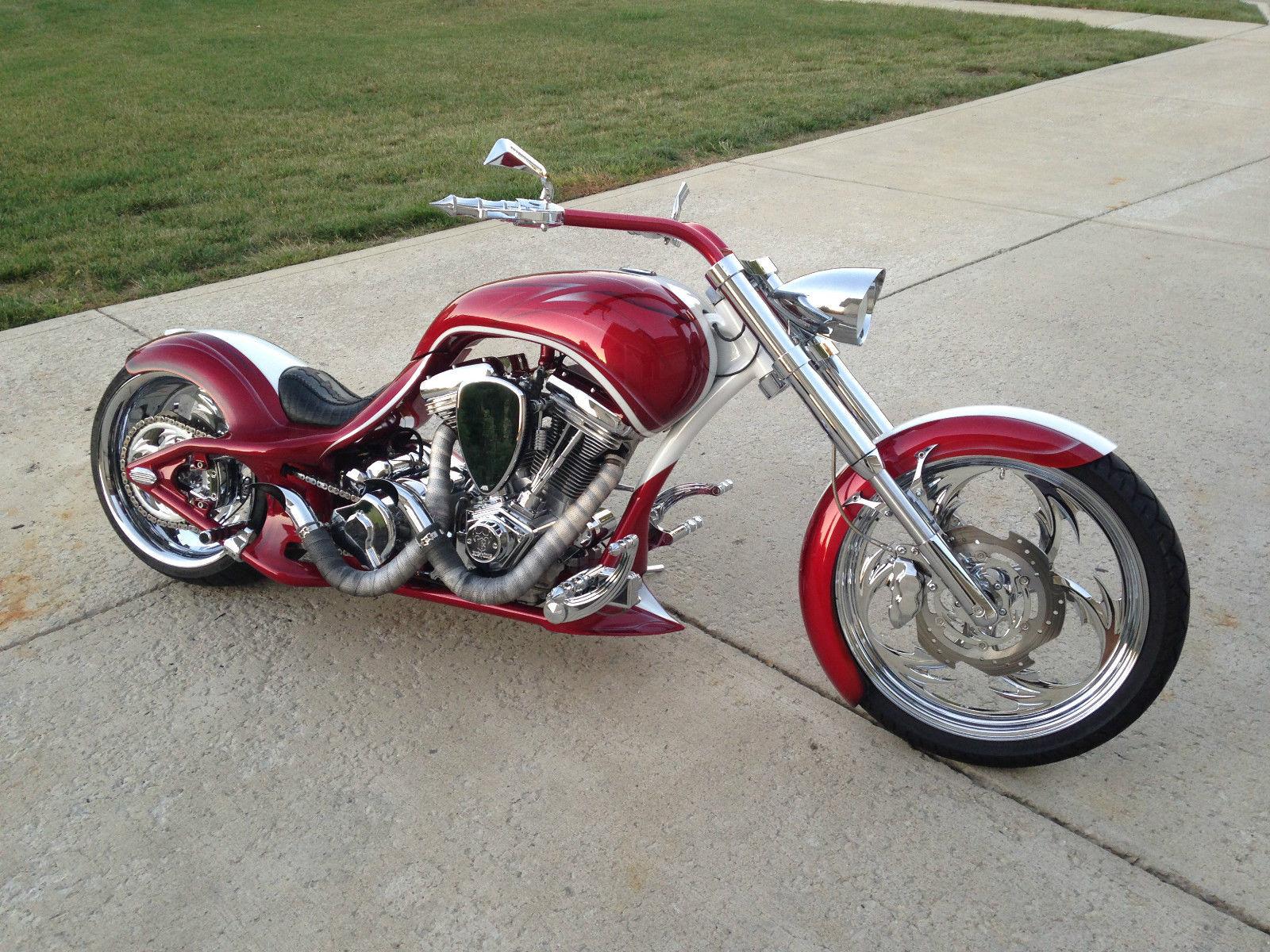
There’s something undeniably magnetic about a custom chopper—those gleaming chrome accents, the raw power of a rebuilt engine, the way the frame bends like liquid metal under the rider’s command. It’s not just a motorcycle; it’s a rolling manifesto of rebellion, craftsmanship, and unapologetic individuality. Yet, for all their allure, choppers—especially the vintage ones—often come with a price tag that can make even the most seasoned rider hesitate. The question isn’t just *how* to finance one, but *why* it’s worth every penny, even when the bike’s been around the block more times than a Sunday cruiser.
The Allure of the Aged Beast: Why Old Choppers Still Command Respect
There’s a quiet majesty in an old chopper that new machines can’t replicate. These bikes carry stories—scuffs from forgotten roads, patina that tells of decades of sun and rain, engines that have been coaxed into submission by hands far grittier than today’s precision-tooled workshops. A 1970s chopper, for instance, isn’t just a vehicle; it’s a time capsule of counterculture, a relic of an era when motorcycles were as much about attitude as they were about transportation. Financing one isn’t just about owning a bike; it’s about preserving a piece of history that refuses to be boxed into a museum.
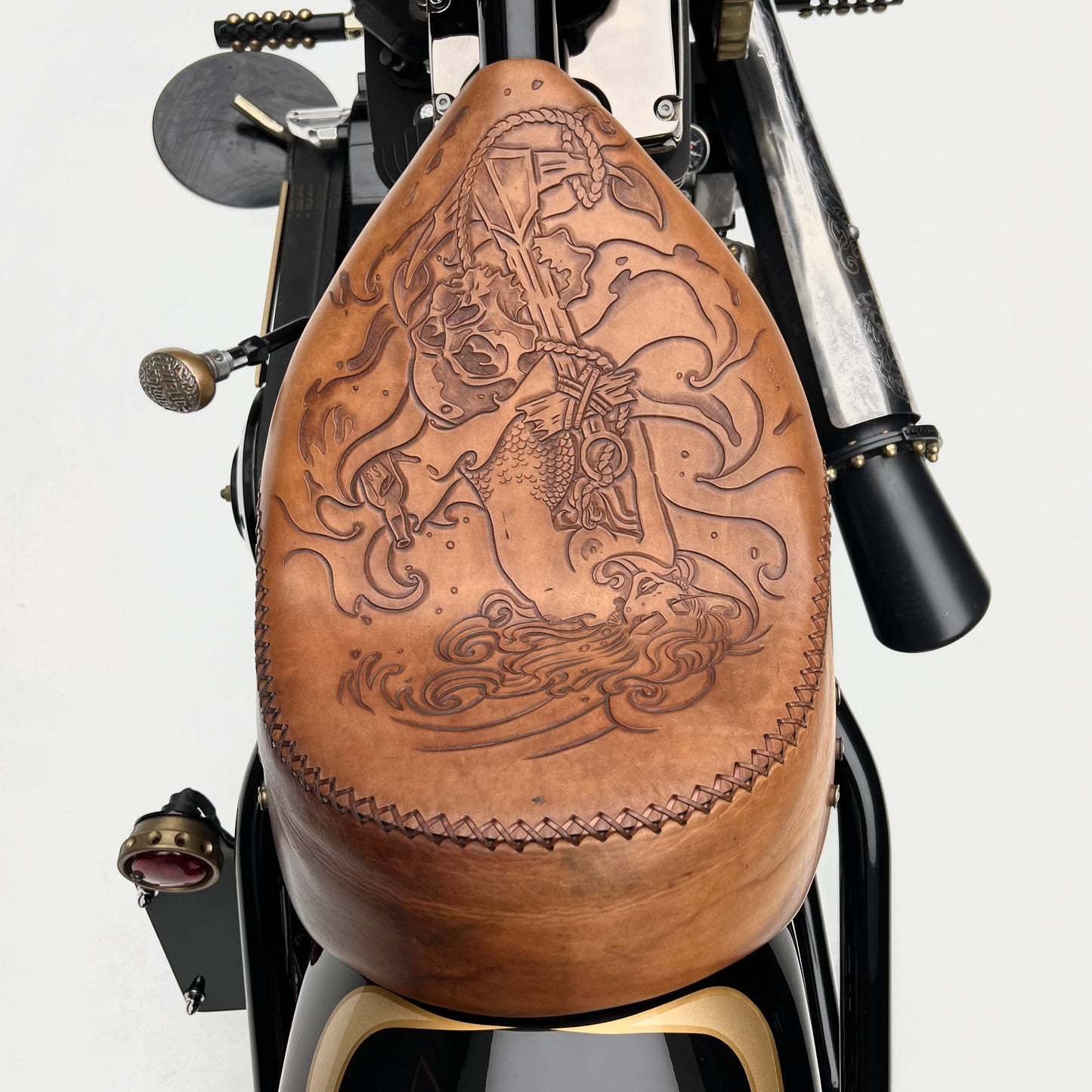
The fascination runs deeper than aesthetics. Old choppers embody a philosophy: imperfection is beautiful, and function should never be sacrificed for form. The patched-up leather seat, the slightly crooked handlebars, the engine that purrs like a contented lion—these aren’t flaws; they’re badges of honor. Financing such a machine isn’t just a transaction; it’s an investment in a legacy that refuses to fade.

Breaking Down the Costs: What You’re Really Paying For
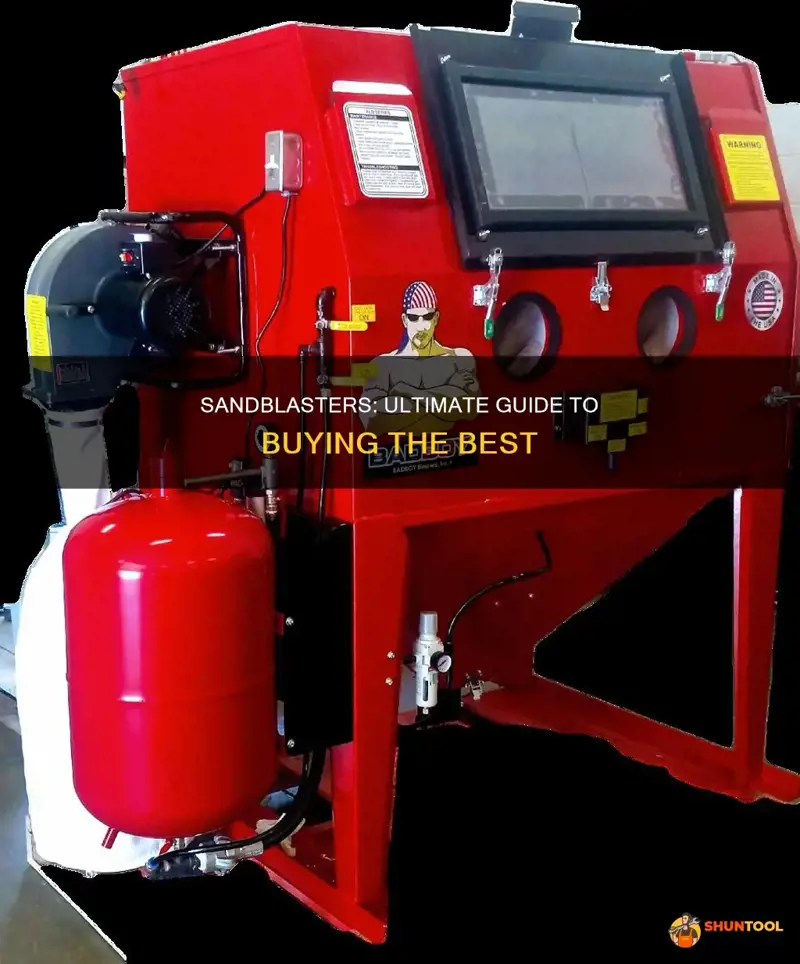
Financing a chopper—old or new—isn’t like financing a sedan. The costs aren’t just about the sticker price; they’re about the soul of the machine. For an older chopper, you’re not just paying for metal and rubber; you’re paying for the blood, sweat, and grease that went into its creation decades ago. The frame alone might require meticulous sandblasting and powder coating, while the engine could need a full rebuild with custom parts that aren’t mass-produced. Then there’s the wiring—oh, the wiring—a labyrinth of spliced connections that only the most patient electrician can untangle.
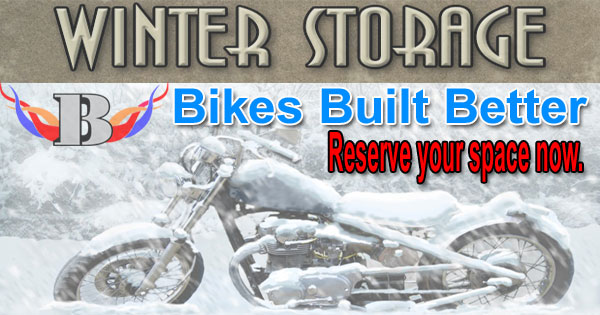
But here’s the kicker: the real expense often lies in the *hidden* costs. Insurance for a vintage chopper can be exorbitant, especially if it’s a one-of-a-kind build. Storage is another beast entirely; these bikes aren’t meant to sit in a damp garage, collecting rust like a badge of shame. And let’s not forget the inevitable upgrades—modern brakes, a fuel-injected engine, or even just a fresh coat of paint to keep the elements at bay. Financing isn’t just about the initial purchase; it’s about committing to a lifetime of care that ensures the bike remains as breathtaking as the day it rolled off the assembly line (or off the back of a trailer in some backwoods garage).
Creative Financing: Beyond the Bank Loan
Traditional loans aren’t the only path to owning a chopper. In fact, they might not even be the best one. For starters, consider a personal loan from a credit union—often with lower interest rates than big banks. Or, if you’re feeling adventurous, a home equity line of credit (HELOC) can provide the flexibility to finance the bike while keeping your cash flow intact. But why stop there? The chopper community is a tight-knit web of enthusiasts, mechanics, and collectors who might just be willing to cut you a deal—or even partner with you on a project.
Another route? Trade. Do you have a skill that’s in demand? Mechanics, welders, and even graphic designers can barter their services for a piece of the chopper pie. Some builders will accept partial payments in exchange for labor, turning your financing into a collaborative effort. And if you’re truly bold, crowdfunding might be an option—imagine launching a campaign titled “Help Me Buy the Chopper of My Dreams,” complete with a heartfelt video and a promise of future rides for your backers. The key is to think outside the traditional loan box and leverage the resources around you.
The Art of Negotiation: How to Haggle Like a Pro
Negotiating the price of a chopper—especially an old one—isn’t just about dickering over numbers. It’s about understanding the seller’s motivations and playing to them. Is the owner a collector who’s downsizing? They might be willing to part with the bike for a fair price if you move quickly. Is it a mechanic who’s overstocked on projects? Offer to take it off their hands *today* in exchange for a discount. The trick is to listen more than you talk, to ask questions that reveal the seller’s pain points, and to frame your offer as the solution to their problem.
But haggling isn’t just about the price—it’s about the terms. Can you finance the bike directly through the seller, avoiding a bank altogether? Is there room to negotiate on extras like a full tank of gas, a set of new tires, or even a crash course in maintenance from the previous owner? The best deals aren’t just about the bottom line; they’re about the value you extract from the transaction. And remember: silence is your most powerful tool. After making an offer, shut up. Let the seller fill the void with concessions.
Long-Term Commitments: The Hidden Costs of Chopper Ownership
Owning a chopper isn’t a short-term fling; it’s a lifelong affair. The financing doesn’t end when the papers are signed—it’s just the beginning. Older choppers, in particular, demand a level of devotion that modern bikes simply don’t. You’ll need to budget for regular oil changes, tire replacements, and the occasional engine rebuild. Then there’s the storage dilemma: a chopper can’t just sit outside, exposed to the elements like a forgotten lawnmower. You’ll need a climate-controlled garage, or at least a high-quality cover and a spot in a storage unit that won’t bankrupt you.
And let’s talk about the social costs. Choppers aren’t for the faint of heart. They’re loud, they’re brash, and they attract attention—sometimes unwanted. Will your neighbors complain about the noise? Will your insurance premiums skyrocket because you’re now classified as a “high-risk” rider? These aren’t just minor inconveniences; they’re realities that can turn a dream purchase into a logistical nightmare. The key is to weigh these factors before you sign on the dotted line. Ask yourself: Is the freedom of the open road worth the potential headaches? For most chopper enthusiasts, the answer is a resounding yes.
Alternative Routes: Leasing, Renting, and the Joy of Shared Ownership
If financing a chopper outright feels like too much of a leap, there are alternatives that let you dip your toes into the world of custom bikes without diving headfirst into debt. Leasing, for instance, can be a viable option—especially if you’re eyeing a newer model. Some dealerships offer lease-to-own programs, allowing you to make payments that eventually transfer ownership. It’s not the same as owning outright, but it’s a way to experience the thrill without the long-term commitment.
Another option? Shared ownership. Partner with a fellow enthusiast to split the costs, the maintenance, and the rides. It’s not just about the money; it’s about the camaraderie. There’s something deeply satisfying about sharing the open road with someone who understands the allure of a chopper as deeply as you do. And if you’re not ready to commit to full ownership, consider renting. Some shops offer hourly or daily rentals of custom bikes, giving you the chance to test the waters before making a purchase. After all, the best way to know if a chopper is right for you is to ride one—even if it’s just for an afternoon.
The Final Ride: Why It’s All Worth It
At the end of the day, financing a custom chopper—old or new—isn’t just about the mechanics or the money. It’s about the freedom. It’s about the wind in your face, the rumble of the engine beneath you, and the knowledge that every mile you ride is a mile you’ve earned. It’s about the people you meet along the way, the stories you’ll tell, and the legacy you’ll leave behind. An old chopper isn’t just a machine; it’s a companion, a confidant, and a symbol of everything that makes life worth living.
So go ahead. Take the leap. Finance that chopper. The road is waiting, and it’s paved with more than just asphalt—it’s paved with dreams.