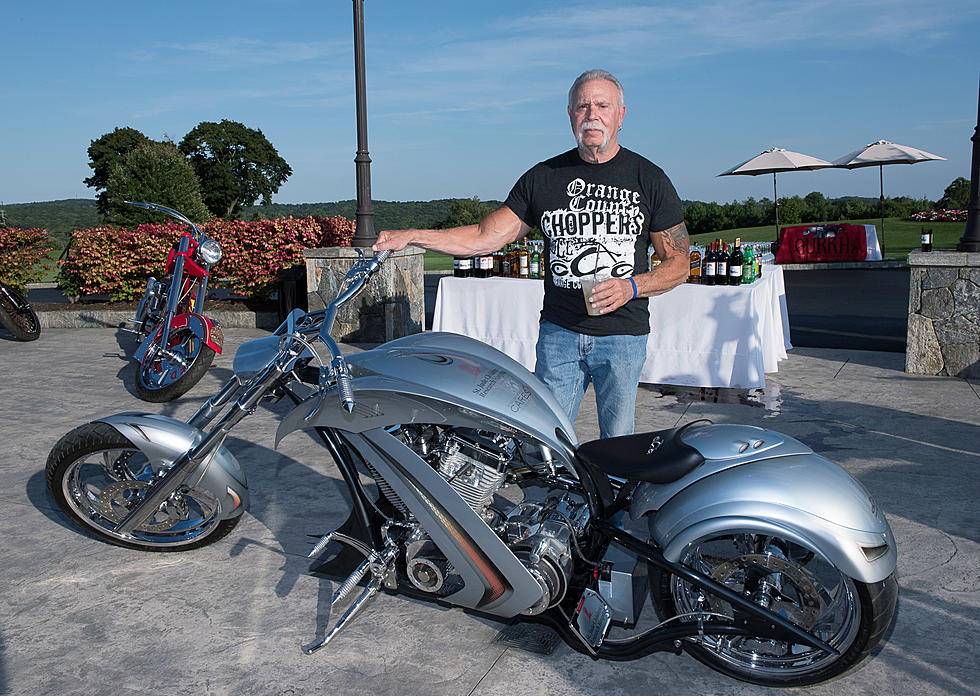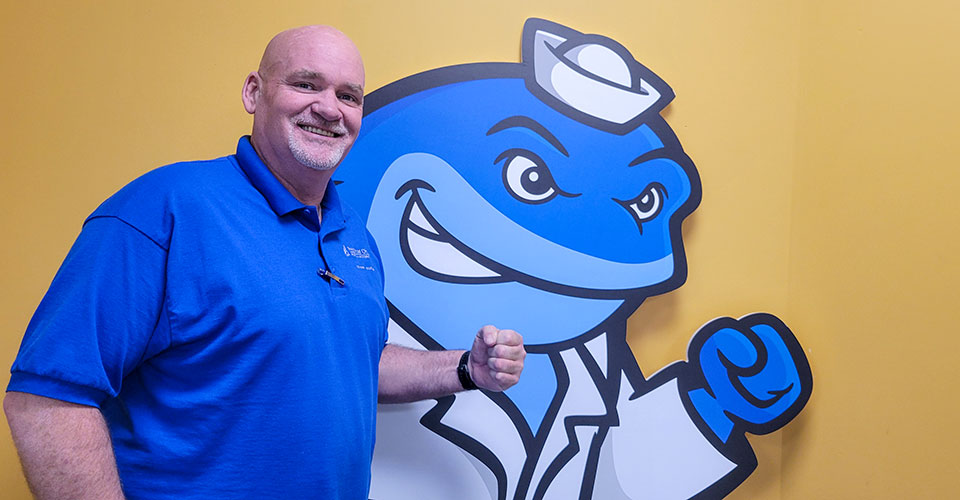
In the high-octane world of motorcycle racing, where engines roar and tires scream, there exists a cadre of unsung artisans whose craftsmanship is as critical as the riders themselves. Among them, Rick Petko stands as a titan of fabrication—a man whose hands shape not just metal, but destiny. His work at OCC (Orange County Choppers) transcended mere engineering; it became folklore, a testament to the alchemy of raw materials and visionary ingenuity. To understand Petko’s legacy is to peer into the soul of custom motorcycle fabrication, where precision meets passion, and every weld tells a story.
The Artisan’s Alchemy: Transforming Steel into Symphony
Fabrication is not merely construction; it is an esoteric dance between form and function, where steel bends to the will of an artist’s intent. Rick Petko mastered this dance. His ability to coax life from inert metal was nothing short of alchemical. Consider the frame of a chopper—not just a skeletal structure, but a living entity, its geometry dictating not just balance but character. Petko’s frames were not welded; they were *composed*, each tube a note in a mechanical symphony. His signature was in the subtleties: the way a downtube curved to cradle an engine like a lover’s embrace, or how a swingarm’s taper whispered of speed before the bike even left the garage.
This was not the work of a technician, but of a sculptor. Petko’s genius lay in his refusal to accept the mundane. He didn’t just build bikes; he forged icons. His creations were not machines, but manifestos—bold declarations that two wheels and an engine could be as expressive as any canvas. The result? Motorcycles that didn’t just perform; they *communed* with the road.

The Relentless Pursuit of Perfection: A Craftsman’s Creed
Perfection is a myth, but Petko chased it with the fervor of a zealot. His workshop was a cathedral of precision, where micrometers and calipers were as sacred as hammers and torches. Every joint was a vow; every seam, a promise. This obsession bordered on the pathological—yet it was this very madness that elevated his work from exceptional to legendary. In an industry where corners are often cut for the sake of deadlines, Petko’s refusal to compromise was revolutionary.
His methods were unorthodox, born from a blend of intuition and relentless experimentation. He didn’t just follow blueprints; he *rewrote* them. A bend here, a reinforcement there—each adjustment was a calculated risk, a gamble that paid dividends in durability and aesthetics. The result? Motorcycles that didn’t just survive the rigors of racing; they *thrived* in them. Petko’s bikes were the mechanical equivalents of a Swiss watch—every component, a masterstroke of engineering.
Yet, his pursuit of perfection was not born of ego. It was born of respect—for the machine, for the rider, for the craft itself. In a world obsessed with speed, Petko reminded us that true excellence lies in the marriage of art and engineering.
The Unsung Hero: Why the World Overlooks the Fabricator
There is a peculiar irony in the adoration of motorcycle culture. Riders are celebrated; their victories immortalized. Engineers are revered for their innovations. But the fabricators—the silent architects who birth these machines from raw steel—are often relegated to the shadows. Why? Perhaps because their work is invisible until the moment it fails. A rider’s triumph is broadcast; a frame’s collapse is buried in the dirt.
Petko’s story is a microcosm of this paradox. While the riders he equipped became legends, his name was rarely uttered in the same breath. Yet, without his hands, their victories would have been impossible. This is the curse of the craftsman: to be the unseen force behind the spectacle. But Petko wore this invisibility like armor. He didn’t seek the spotlight; he sought the challenge. And in doing so, he redefined what it meant to be a fabricator.
His legacy is a reminder that greatness is not always loud. Sometimes, it is the quiet hum of a welder’s torch, the steady rhythm of a hammer striking anvil, the unyielding dedication to a craft that will outlive us all.
The Legacy of a Titan: How Petko Redefined Fabrication
To say Rick Petko changed the game would be an understatement. He didn’t just play it; he reinvented it. His influence permeates every corner of custom motorcycle fabrication, from the smallest chop shops to the grandest stages. His techniques—once considered radical—are now industry standards. His philosophy—that a motorcycle should be as much a work of art as a machine—has become gospel.
But his true legacy lies in his disciples. The fabricators who trained under him didn’t just learn a trade; they absorbed a creed. They carried forward his ethos: that fabrication is not a job, but a calling. That every weld is a signature, every bend a brushstroke. In this way, Petko’s influence is immortal. It lives in the frames of the bikes he never touched, in the hands of the craftsmen he mentored, in the very soul of the industry he helped shape.
His work was not just about building motorcycles. It was about building dreams. And in doing so, he ensured that the spirit of innovation would never fade from the world of two wheels.
The Fascination with the Unseen: Why We’re Drawn to the Craft
There is a primal allure to the unseen craftsman. The blacksmith in the forge, the weaver at the loom, the fabricator at the torch—these are the modern-day shamans, wielding tools that transform the ordinary into the extraordinary. We are drawn to them because they remind us of a time when mastery was measured in calloused hands and sweat-stained shirts, not in algorithms or corporate titles.
Petko embodied this archetype. He was a throwback to an era when craftsmanship was revered, when the artisan’s touch was the difference between mediocrity and magic. His work spoke to something deep within us—a longing for authenticity in a world that increasingly values speed over substance. In an age of mass production, Petko’s motorcycles were oases of individuality. Each one was a fingerprint, a testament to the human capacity for creativity and precision.
This fascination is not merely aesthetic. It is existential. In a world where machines are often seen as cold and impersonal, Petko’s work was a defiant celebration of the human touch. His bikes were not just functional; they were *alive*—pulsing with the heartbeat of their creator. And in that pulse, we find a connection to something timeless.

The Future of Fabrication: Honoring the Past, Embracing the Future
The world of motorcycle fabrication is evolving. CNC machines and 3D printing are revolutionizing the way we build, offering precision and efficiency that would have astounded Petko. Yet, in this brave new world, the essence of his craft endures. Because no machine, no matter how advanced, can replicate the soul of a handcrafted frame. The future of fabrication is not a choice between tradition and innovation; it is a fusion of both.
Petko’s legacy challenges us to ask: What will we preserve? What will we innovate? The answer lies in the balance. The future of fabrication must honor the past—not as a relic, but as a foundation. It must embrace technology—not as a replacement for human touch, but as a tool to amplify it. In this way, Rick Petko’s spirit lives on, not just in the bikes he built, but in the future he helped shape.
As we stand on the precipice of a new era, let us remember the unsung heroes like Petko. Let us celebrate the fabricators, the welders, the artisans who turn dreams into steel. Because in the end, the greatest machines are not just built—they are *felt*. And that feeling? That is the true magic of fabrication.