Imagine stumbling upon a relic of the open road, a motorcycle that’s been forgotten by time yet whispers tales of freedom and craftsmanship. The barn find chopper bike isn’t just a machine; it’s a time capsule, a puzzle waiting to be solved. But here’s the twist: not all barn finds are treasure troves. Some are rusted nightmares, while others could fund a small kingdom. How do you tell the difference? How do you value a chopper that’s been sleeping in a barn for decades? Buckle up, because we’re about to dive into the gritty, glorious world of barn find choppers—and the challenges that come with unlocking their true worth.
The Allure of the Barn Find Chopper: Why These Machines Captivate Us
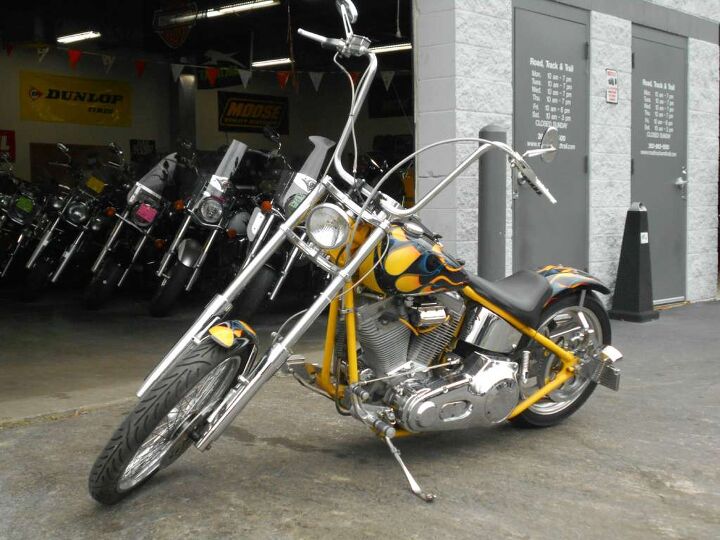
There’s something almost mythical about a barn find chopper. It’s not just the patina of age, the faded paint clinging to metal like memories of better days. It’s the story etched into every scratch, every bolt, every custom curve of the frame. These bikes are relics of a bygone era, when builders had the freedom to weld, bend, and bolt their dreams into reality without a CAD program in sight. A barn find chopper isn’t just a motorcycle; it’s a rebellion against mass production, a testament to raw ingenuity.
But the allure isn’t purely sentimental. There’s a thrill in the hunt, the gamble of the unknown. Will this be the holy grail of custom bikes, or a money pit disguised as a vintage gem? The uncertainty is part of the appeal. It’s like opening a dusty old book and not knowing if the next page will reveal a masterpiece or a dud. For collectors and restorers alike, the barn find chopper is the ultimate treasure hunt—where the prize isn’t just monetary, but the satisfaction of breathing new life into a forgotten legend.
Decoding the Condition: The Good, the Bad, and the Ugly
Before you can value a barn find chopper, you need to play detective. Condition is everything, and it’s rarely black and white. A bike might look pristine from a distance, but up close, you could find rust gnawing at the frame like a termite infestation. Or perhaps the engine is seized, the transmission a relic of neglect. Then there’s the dreaded “barn rot”—a term that describes the slow decay of a bike left to the elements, where rubber turns to dust, and metal succumbs to the relentless march of time.
But here’s where it gets tricky: some “bad” conditions can actually add value. Original patina, the kind that tells a story of decades spent in a hayloft, can be a collector’s dream. A bike with mismatched parts might seem like a deal-breaker, but to the right buyer, it could be a canvas for a custom build. The key is knowing which flaws are deal-killers and which are just part of the bike’s character. It’s a delicate balance, like distinguishing between a scratch and a battle scar.

The Engine’s Heart: Why the Motor Dictates the Bike’s Fate
The engine is the soul of any chopper, and in a barn find, it’s often the most unpredictable variable. A seized motor might seem like a death sentence, but don’t count it out just yet. Some engines can be revived with enough elbow grease and a well-stocked parts bin. Others, however, are beyond redemption, their internals corroded into a single, rusted lump. The challenge? Knowing the difference without tearing the whole thing apart.
Then there’s the question of originality. A barn find chopper with its original engine is a rare find, a piece of history that commands a premium. But if the motor’s been swapped, you’re entering a gray area. Was the replacement engine a factory option, or a hack job from the ‘70s? The answer could mean the difference between a $5,000 project bike and a $50,000 showstopper. And let’s not forget the dreaded “frankenbike” scenario—where parts from multiple bikes have been cobbled together, creating a mechanical Frankenstein that’s as likely to run as it is to collapse.
Frame and Fabrication: The Backbone of Value
A chopper’s frame is its skeleton, the structure that defines its character. In a barn find, the frame can be a goldmine or a graveyard. Original, hand-welded frames from the golden age of choppers are worth their weight in gold—literally. These frames tell a story of craftsmanship, of builders who shaped steel with their bare hands and a torch. But if the frame’s been hacked, bent, or reinforced with subpar materials, you’re looking at a costly repair job or, worse, a write-off.
Then there’s the question of modifications. Some choppers have been “improved” with aftermarket parts that do more harm than good. A poorly executed stretch job, a frame that’s been cut and welded into oblivion—these are the red flags that scream “buyer beware.” But here’s the paradox: some of the most iconic choppers in history started as humble barn finds, their frames transformed by visionary builders into legends. The trick is knowing which modifications add value and which are just scars.

The Custom Touch: When Originality Meets Artistry
A barn find chopper isn’t just a motorcycle; it’s a work of art, a rolling sculpture that reflects the builder’s vision. Original custom parts—hand-tooled saddlebags, one-off handlebars, a seat stitched with care—can turn a rusty relic into a priceless collector’s item. But originality is a double-edged sword. Some buyers crave the untouched, the unaltered, the “as-found” condition. Others want a blank canvas to imprint their own style.
The challenge lies in balancing preservation with potential. Do you restore the bike to its former glory, stripping away the patina to reveal the gleaming metal beneath? Or do you embrace the bike’s weathered charm, letting its history shine through? The answer depends on the market. Purists will pay top dollar for an untouched barn find, while builders might see it as a project waiting to happen. The key is understanding who your buyer is—and what they’re willing to pay for.
Market Forces: Navigating the Chopping Economy
The value of a barn find chopper isn’t just about the bike itself; it’s about the market. And the market for choppers is as fickle as it is passionate. Trends come and go. One year, it’s all about vintage Triumphs and Norton Commandos. The next, it’s Harley-Davidsons with suicide clutches and ape hangers. The challenge? Timing. Buy a barn find at the wrong moment, and you could be stuck with a bike that’s suddenly worth half of what you paid. Wait too long, and the perfect buyer might slip through your fingers.
Then there’s the issue of provenance. A barn find with a documented history—a builder’s signature, a racing pedigree, a feature in a vintage motorcycle magazine—can command a premium. But without that paper trail, you’re flying blind. Is this bike a one-of-a-kind masterpiece, or just another anonymous chopper lost to time? The answer could mean the difference between a quick flip and a years-long restoration project.
The Restoration Dilemma: To Fix or Not to Fix?
Restoration is where barn find choppers become a labor of love—or a financial black hole. Do you replace the rusted fenders with new ones, erasing decades of history in the process? Do you repaint the tank, or leave the faded original as a testament to its past? The decisions are endless, and each one affects the bike’s value. A full restoration can turn a barn find into a showstopper, but it’s also the fastest way to drain your wallet. A partial restoration might be the sweet spot, preserving the bike’s soul while making it roadworthy again.
But here’s the kicker: some buyers don’t want a restored chopper. They want the real deal, the bike as it was when it rolled into the barn decades ago. For them, a fresh coat of paint is a crime against history. The challenge is knowing your audience. Are you selling to a collector who values originality above all else? Or are you targeting a rider who wants a bike that’s ready to hit the open road? The answer will dictate every decision you make.
Final Valuation: Crunching the Numbers (and the Nerves)
Valuing a barn find chopper is part science, part art, and part gut feeling. You can pore over auction results, consult experts, and run the numbers until your head spins. But at the end of the day, the true value of a barn find chopper is whatever someone is willing to pay for it. And that’s where the real gamble lies.
So, how do you put a price tag on a machine that’s equal parts history, art, and potential disaster? Start by assessing the bike’s condition, its originality, and its marketability. Factor in the cost of restoration—or the premium for leaving it untouched. Then, ask yourself the hard question: What’s this bike worth to *you*? Because in the end, the most valuable barn find choppers aren’t the ones that fetch the highest price at auction. They’re the ones that ignite a passion, that turn a simple motorcycle into a lifelong obsession.