What compels a rider to transform a humble motorcycle into a roaring, chrome-plated beast of the road? What hidden currents of the psyche drive someone to choose a chopper over a sleek sportbike or a sturdy cruiser? The chopper isn’t just a machine—it’s a mirror, a statement, and sometimes, a rebellion. It’s the steel-and-leather embodiment of a rider’s inner world, where freedom isn’t just felt—it’s sculpted, polished, and revved to life. To understand the psychology of the chopper rider is to peer into the soul of someone who refuses to blend in, who carves their identity not just in the road behind them, but in the very frame of their machine.
The Allure of the Unconventional: Why Choppers Stand Apart
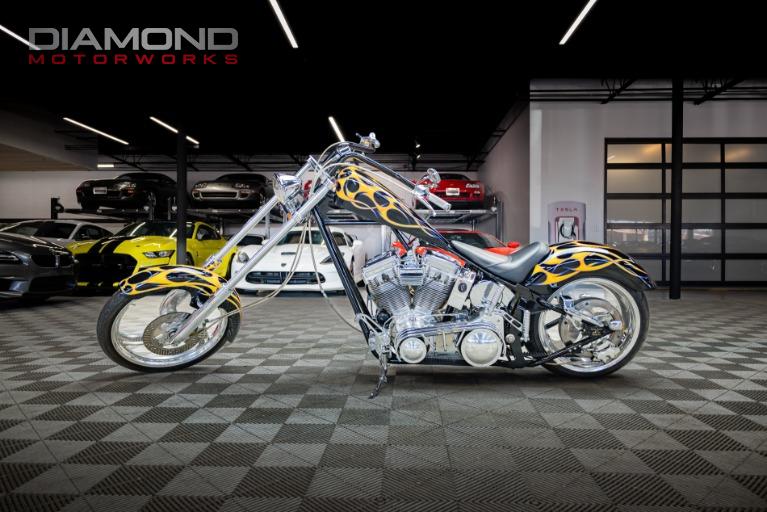
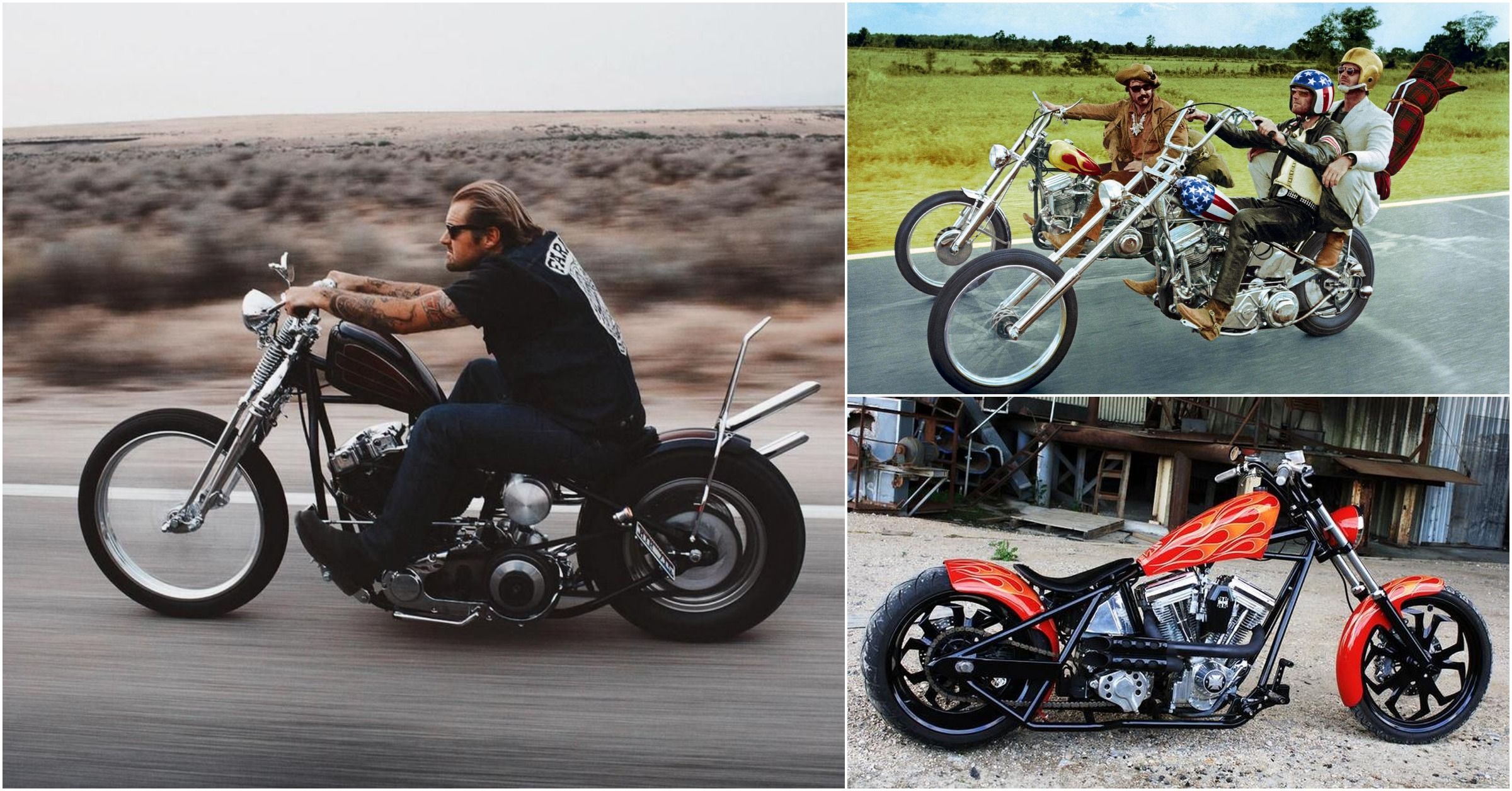
In a world where conformity often wears the face of efficiency, the chopper rider marches to the beat of a different drum. While most motorcycles are designed for speed, agility, or comfort, the chopper is built for one thing above all: self-expression. It’s a rolling canvas where every bolt, every curve, every inch of polished steel tells a story. The elongated front forks, the raked-out front end, the stripped-down aesthetic—these aren’t just design choices; they’re declarations of individuality. The chopper rider isn’t interested in blending into the traffic of life. They want to be seen, to be remembered, to leave a mark that lingers long after the engine fades into the distance.
Consider the contrast: a sportbike is a missile, sleek and purposeful, built for precision and dominance on the track. A cruiser is a throne, designed for comfort and long rides along the open road. But a chopper? It’s a sculpture. It’s a conversation starter. It’s a rolling manifesto of “I am not like the others.” This isn’t just a motorcycle; it’s a lifestyle, a philosophy, a way of asserting that the road isn’t just a path—it’s a stage.
The Psychology of Rebellion: Choppers as a Form of Defiance
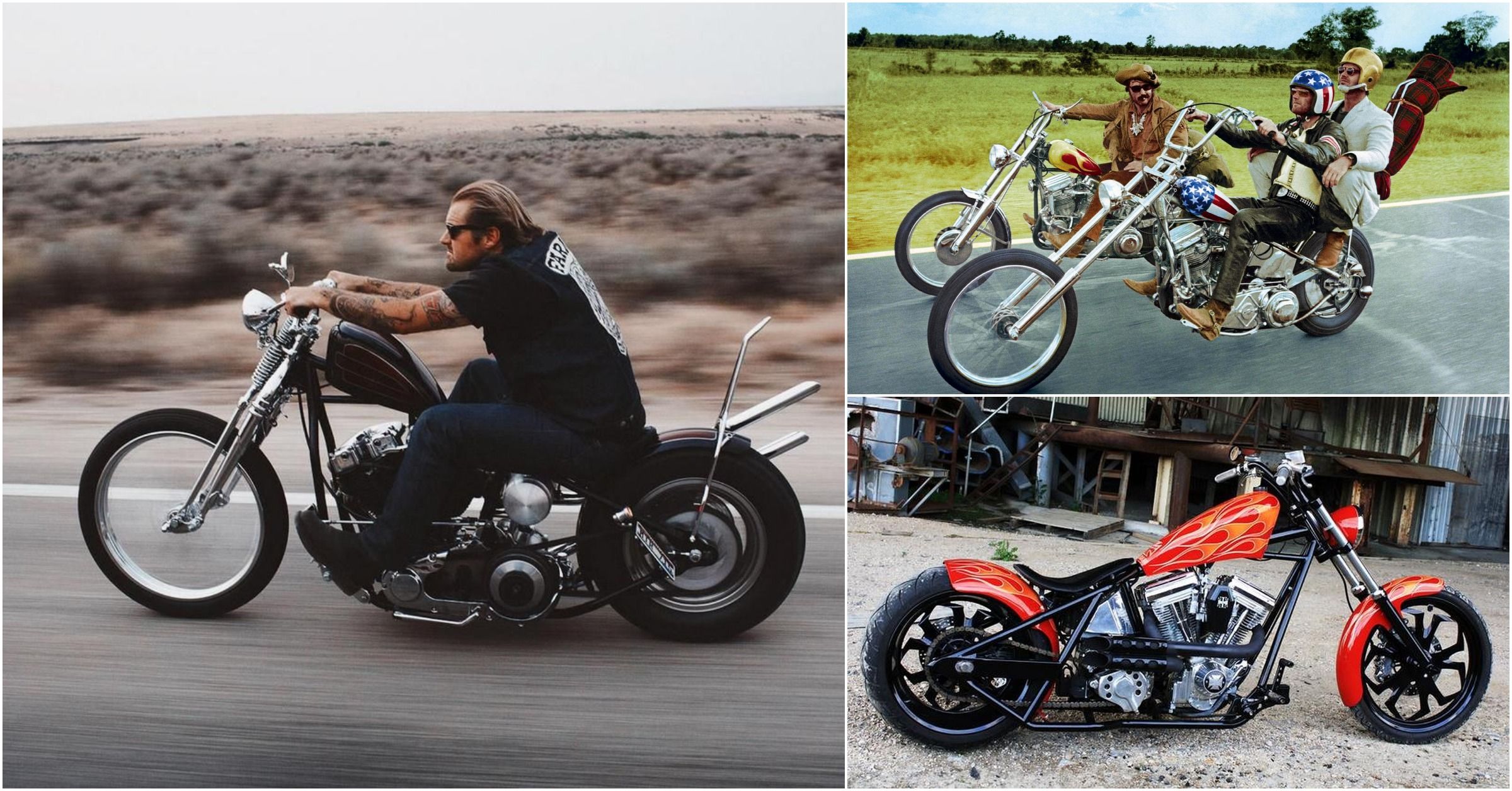
At its core, chopper culture is rooted in rebellion—not the kind that smashes windows, but the kind that refuses to play by the rules. The psychology here is complex: it’s a quiet defiance, a personal mutiny against the mass-produced, the predictable, the “good enough.” The chopper rider often feels a deep-seated dissatisfaction with the status quo, whether it’s the corporate grind, the relentless pace of modern life, or the pressure to conform to societal expectations. In this context, the chopper becomes more than a vehicle; it’s a tool of liberation.
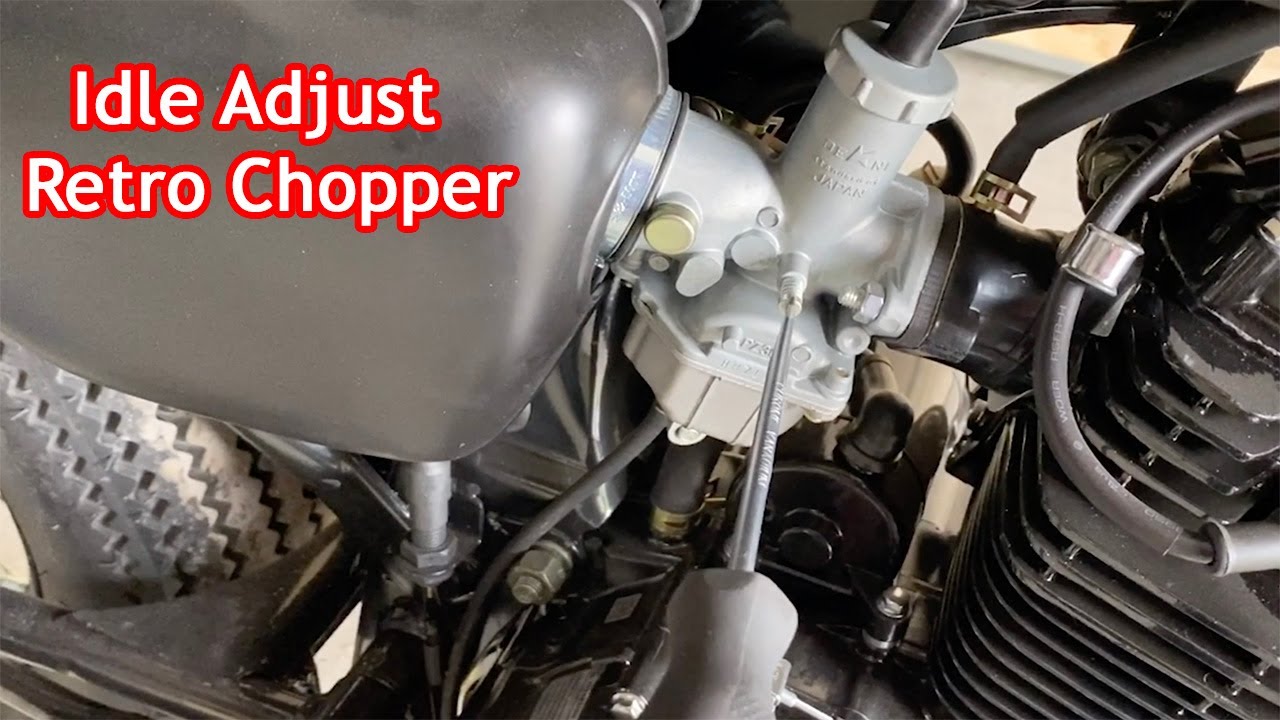
There’s a thrill in the act of creation itself. Building or customizing a chopper is a labor of love, a process that demands patience, skill, and a willingness to embrace imperfection. Unlike factory-built motorcycles, choppers are often handcrafted, each modification a deliberate choice that reflects the rider’s tastes, values, and even their moods. This process of creation is cathartic. It’s a way to reclaim agency in a world that often feels out of control. The chopper isn’t just ridden; it’s lived in, breathed into, and shaped by the hands of its owner.
But rebellion isn’t always about confrontation. Sometimes, it’s about carving out a space where you can be unapologetically yourself. The chopper rider doesn’t just want to ride the road—they want to own it. They want to feel the wind not just against their skin, but against their soul. And in doing so, they challenge the notion that freedom is something to be granted or earned. For them, freedom is something to be seized, one mile at a time.
The Bond Between Rider and Machine: A Relationship Beyond Utility
The relationship between a chopper rider and their machine transcends the transactional. It’s not merely a tool for transportation; it’s a partner, a confidant, even a muse. The psychology of this bond is fascinating. The rider doesn’t just pilot the chopper—they commune with it. There’s a synergy, a rhythm that develops over time, where the rider’s movements become an extension of the machine’s mechanics. The way they lean into a turn, the way they rev the engine before a long stretch of road, the way they polish the chrome until it gleams like a second skin—these are not just actions. They are rituals.
This bond is forged in the quiet moments as much as the exhilarating ones. It’s in the hours spent tinkering in the garage, the patience required to sand down a weld, the pride of seeing a project come to life. The chopper becomes a physical manifestation of the rider’s patience, perseverance, and passion. It’s a silent witness to their triumphs and failures, a steadfast companion on the journey of self-discovery. And in return, the chopper offers something intangible yet profound: a sense of identity. When you ride a chopper, you’re not just a rider—you’re a storyteller, a craftsman, a rebel with a cause.
There’s also a tactile element to this relationship. The rumble of the engine, the vibration of the handlebars, the weight of the machine between your legs—these sensations create a visceral connection that’s hard to replicate with any other vehicle. The chopper isn’t just heard or seen; it’s felt. It’s an experience that engages all the senses, immersing the rider in a world where every ride is an adventure and every journey is a narrative.
The Social Fabric of Chopper Culture: Community and Camaraderie
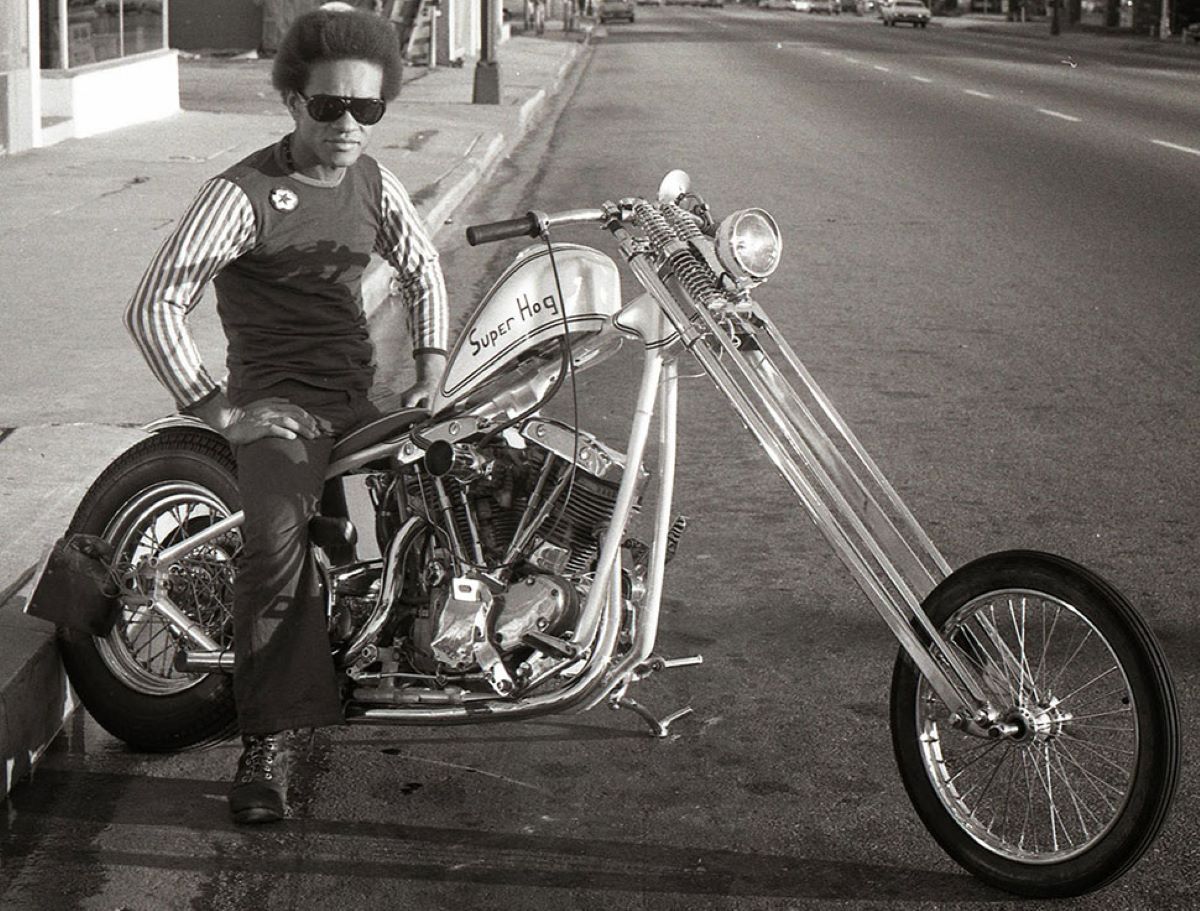
Chopper culture isn’t just about the rider and their machine—it’s about the people who share the road with them. The psychology of belonging plays a huge role here. Chopper riders often form tight-knit communities, bound by a shared love for the open road and a mutual respect for the craft of customization. These communities aren’t just social clubs; they’re support networks, places where riders can exchange tips, showcase their builds, and find camaraderie in a world that often misunderstands them.
There’s a unique sense of solidarity among chopper riders. They understand the dedication it takes to build and maintain a chopper. They know the thrill of a long ride, the freedom of the highway, and the pride of a well-executed custom job. This shared experience creates a bond that’s hard to find elsewhere. It’s a culture where mentorship is valued, where novices learn from veterans, and where the road becomes a classroom. Whether it’s a local meetup, a cross-country ride, or a motorcycle show, these gatherings are more than events—they’re celebrations of a way of life.
But this sense of community also comes with its challenges. The chopper rider often faces stereotypes—labels of being reckless, outlaw, or even dangerous. While some riders embrace these labels as part of their identity, others struggle with the misconceptions. The psychology here is a delicate balance between pride in one’s lifestyle and the desire to be understood. The chopper rider wants to be seen for who they are, not just the image that’s been painted for them. This tension adds another layer to the psychology of the chopper rider: the need to belong while also standing out.
The Challenge of the Open Road: Freedom vs. Responsibility
Freedom is the siren song of the chopper rider. The open road beckons with promises of adventure, solitude, and self-discovery. But with freedom comes responsibility—a challenge that every rider must confront. The psychology of this duality is profound. The chopper rider craves the liberation of the highway, but they also understand the risks. The same machine that offers a sense of invincibility can also be a source of vulnerability. This tension creates a unique mindset: one that balances fearlessness with caution, spontaneity with preparation.
Consider the act of riding a chopper. It’s not just about the destination; it’s about the journey. The rider is acutely aware of the road conditions, the weather, the mechanical reliability of their bike. They plan their routes, check their equipment, and remain vigilant. This isn’t just practicality—it’s a form of mindfulness. The chopper rider knows that freedom isn’t about recklessness; it’s about being fully present in the moment, aware of every curve, every gust of wind, every potential hazard. It’s a reminder that true freedom isn’t the absence of rules, but the mastery of them.
Yet, the challenge goes deeper. The chopper rider must also navigate the expectations of others. Family, friends, and even strangers may question their choices. “Why not just buy a car?” they might ask. “Isn’t it dangerous?” The psychology here is one of resilience. The chopper rider learns to tune out the noise, to trust their instincts, and to embrace the road on their own terms. They understand that freedom isn’t given—it’s earned through courage, skill, and an unshakable belief in oneself.
The Future of Chopper Culture: Tradition Meets Innovation
As the world evolves, so too does chopper culture. The psychology of the chopper rider is no longer confined to the garages of the past. Today’s riders are blending tradition with innovation, incorporating new technologies, sustainable practices, and even electric powertrains into their builds. This evolution presents both an opportunity and a challenge: how to honor the roots of chopper culture while embracing the future?
The modern chopper rider is as likely to be a tech-savvy engineer as they are a seasoned mechanic. They’re using 3D printing to create custom parts, integrating digital displays into their dashboards, and exploring alternative fuels. Yet, despite these advancements, the core ethos remains the same: individuality, craftsmanship, and a deep connection to the machine. The challenge for the next generation of chopper riders will be to preserve the soul of the culture while pushing its boundaries.
There’s also the question of accessibility. Choppers have long been associated with a certain mystique, a sense of exclusivity that can be intimidating to newcomers. The psychology of inclusion is becoming increasingly important. How can chopper culture become more welcoming to riders of all backgrounds, genders, and skill levels? The answer lies in education, mentorship, and a willingness to break down the barriers that have historically kept some riders on the sidelines. The future of chopper culture isn’t just about the machines—it’s about the people who ride them.