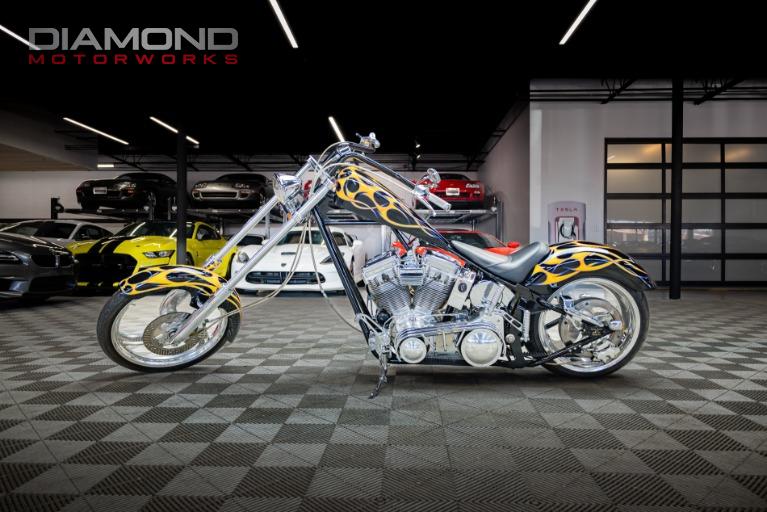
The roar of engines, the gleam of chrome, the unmistakable swagger of Orange County Choppers—this was the world that captivated millions. For over two decades, the Teutul family and their band of artisans didn’t just build motorcycles; they crafted legends. But where did the cast of this iconic saga go after the cameras stopped rolling? The story isn’t just about bikes—it’s about ambition, reinvention, and the bittersweet echoes of fame.
The Teutul Dynasty: From OCC to New Ventures
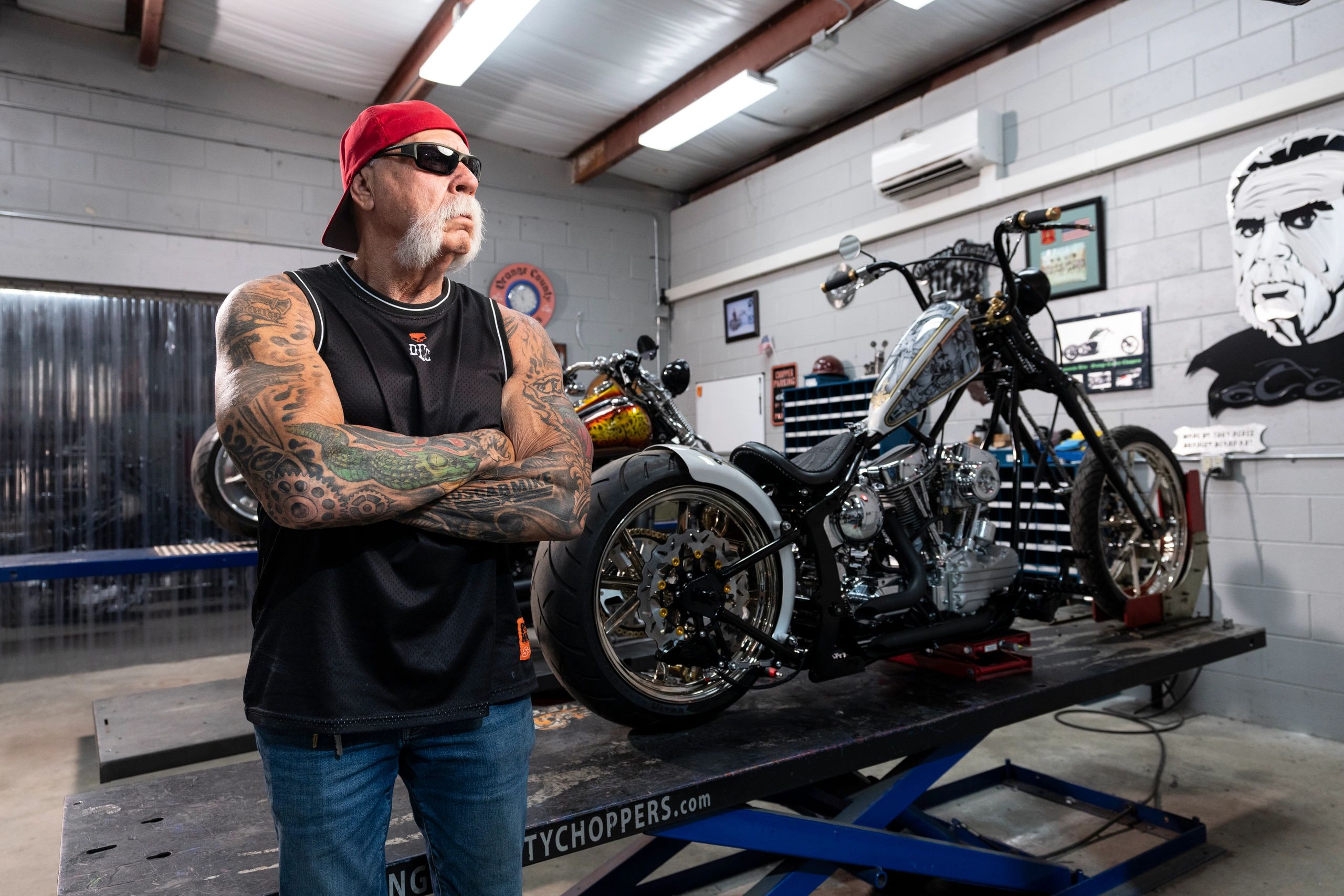
The heart of Orange County Choppers was always the Teutul family, a dynasty of iron-willed visionaries who turned steel and sweat into cultural currency. Paul Teutul Sr., the gruff patriarch with a heart of gold, stepped away from the limelight in the late 2010s, leaving behind a legacy that still hums in the garages of collectors worldwide. But retirement didn’t dull his edge. Sr. pivoted to real estate, leveraging his business acumen into a quieter empire, while also dabbling in philanthropy—proving that even the loudest voices can find new rhythms.
Meanwhile, Paul Teutul Jr., the fiery heir who once clashed with his father on national television, carved his own path. After leaving OCC, Jr. launched his own custom bike shop, Paul Jr. Designs, where he channeled his rebellious energy into bespoke creations. His signature style—bold, unapologetic, and dripping with attitude—earned him a cult following. But the real twist? Jr. became a mentor, guiding a new generation of builders while quietly proving that legacy isn’t just inherited—it’s earned.
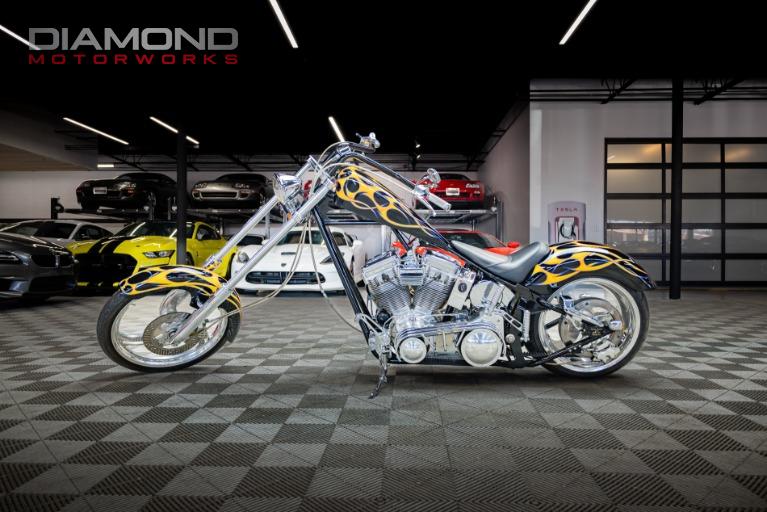
The OCC Crew: Where Are the Faces of the Show Now?
The soul of OCC wasn’t just in the Teutuls—it was in the crew. Rick Petko, the affable welder with a knack for turning chaos into art, left the show but never stopped building. He co-founded Rick’s Customs, a haven for riders who crave the OCC aesthetic without the corporate grind. His workshops are a masterclass in controlled anarchy, where every weld tells a story.
Vinnie DiMartino, the everyman of the group, traded the OCC garage for a quieter life—though not before launching his own line of motorcycle accessories. His transition was a reminder that sometimes, the brightest stars burn out not from failure, but from the sheer exhaustion of chasing the spotlight. Today, he’s a sought-after consultant, helping small shops scale without losing their soul.
Then there’s Michael “Mikey” Teutul, Jr.’s younger brother, who stepped into the OCC limelight as a teenager. Mikey’s journey was a rollercoaster of reinvention. After OCC, he dabbled in acting, even landing a role in a indie film, before pivoting to real estate. His story is a testament to the fact that fame isn’t a cage—it’s a launchpad, if you’re willing to leap.
The Die-Cast Legacy: How OCC Took Over Living Rooms
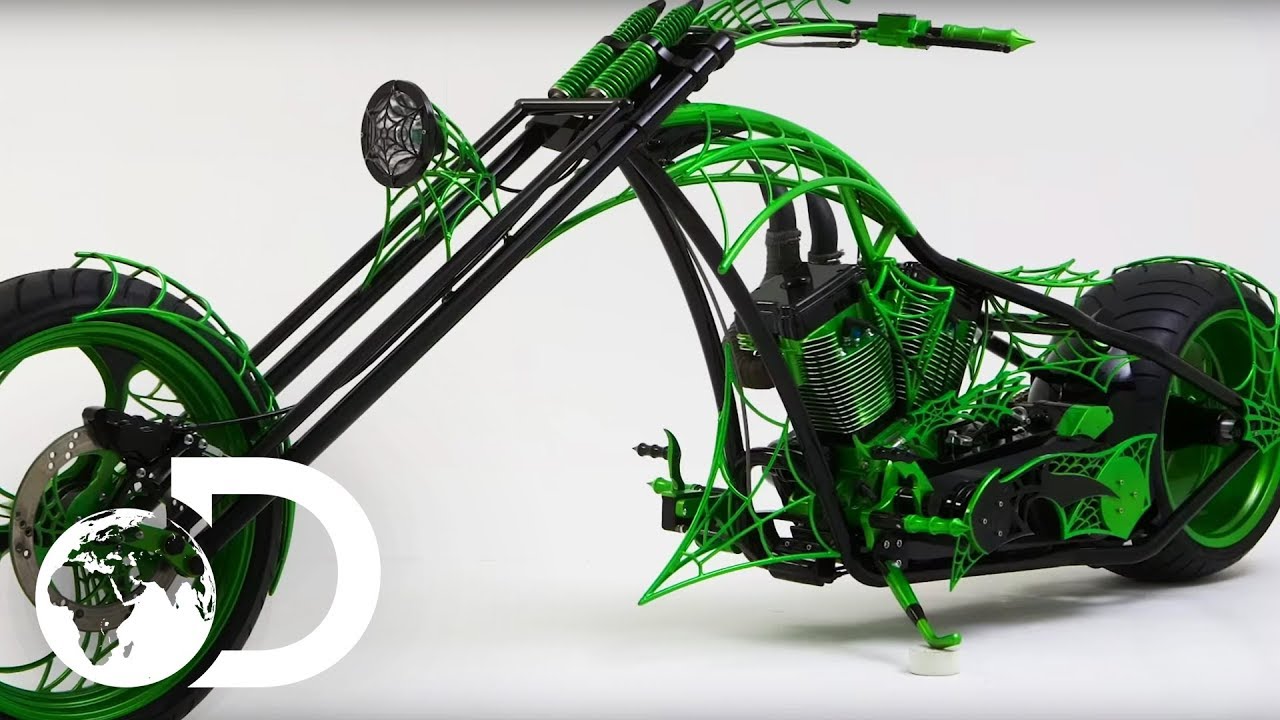
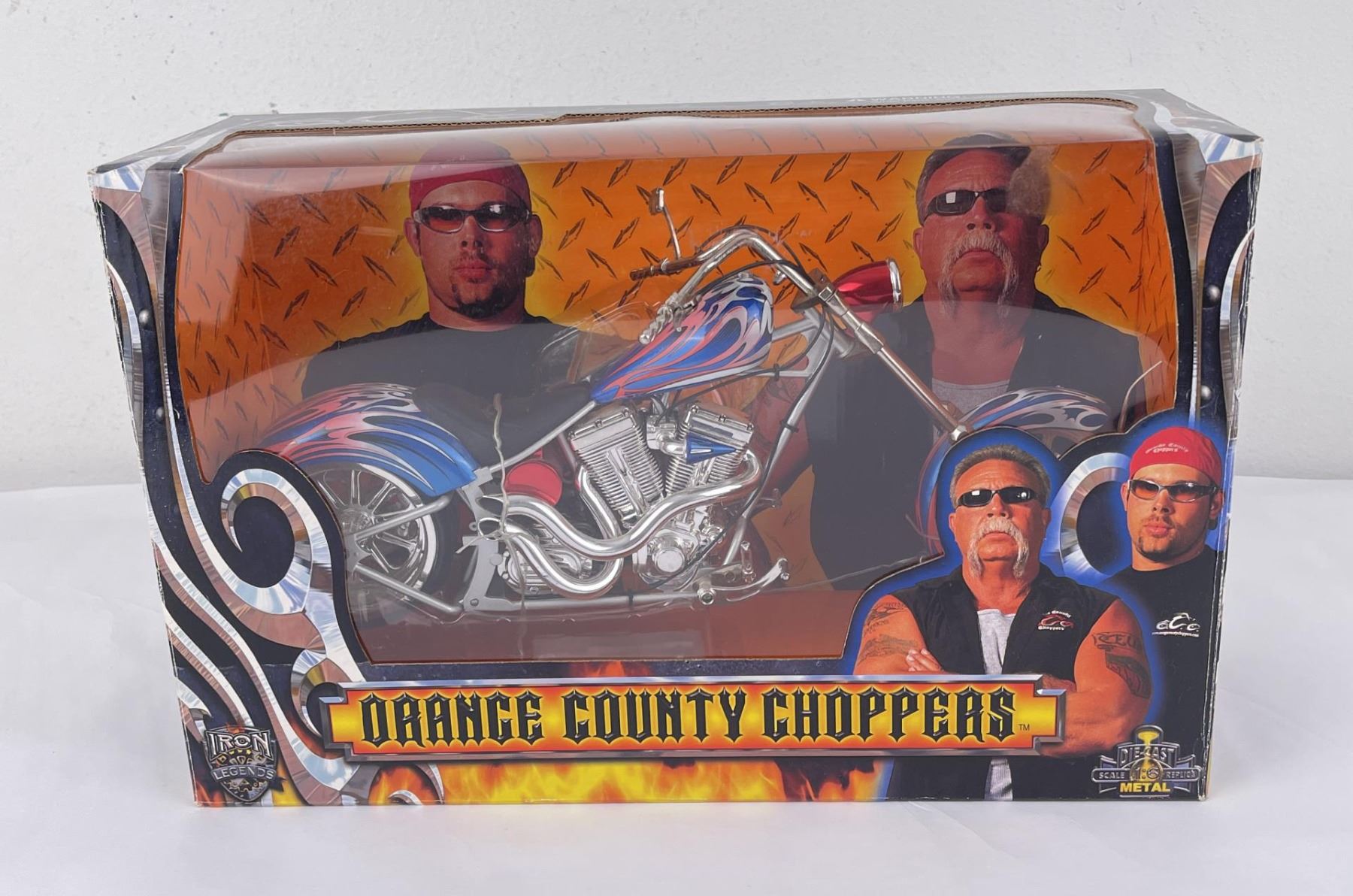
While the Teutuls and their crew were bending pipes and bending minds on TV, OCC’s influence seeped into unexpected places—like the toy aisles of America. Die-cast replicas of their iconic bikes became a phenomenon, turning garages into museums and collectors into obsessives. Brands like Maisto and Ertl churned out miniature masterpieces, each one a tiny tribute to the OCC ethos: bigger, bolder, and unapologetically loud.
But the die-cast craze wasn’t just about nostalgia. It was a business. For years, OCC licensed its designs, raking in royalties while fans debated which model was the most faithful. The challenge? Balancing authenticity with accessibility. Purists argued that no plastic could capture the soul of a Teutul creation, while casual fans just wanted something shiny to park on their shelves. The result? A cultural bridge between hardcore enthusiasts and the next generation of riders.
The Media Frenzy: From TV to the Digital Age
Orange County Choppers didn’t just dominate cable TV—it became a media juggernaut. The show’s heyday coincided with the rise of reality television, a genre that thrived on drama, craftsmanship, and the occasional family feud. But what happens when the cameras stop rolling? For OCC, the answer was a slow pivot to digital. Paul Jr. embraced YouTube, posting build videos that harkened back to the show’s golden era. Meanwhile, Sr. kept a lower profile, though his occasional interviews still carried the weight of a man who’d seen it all.
The challenge for the OCC brand wasn’t just staying relevant—it was staying authentic. In an era where influencers pop up overnight and trends fade faster than a fresh paint job, OCC’s legacy hinged on one thing: trust. Fans didn’t just want to see bikes; they wanted to see the grit, the sweat, the unfiltered reality of custom building. And in a world of curated perfection, that raw honesty became OCC’s secret weapon.
The Future of OCC: Reinvention or Relic?
So, where does Orange County Choppers go from here? The brand’s future isn’t just about bikes—it’s about identity. Can OCC evolve without losing its soul? The answer lies in the hands of the next generation. Paul Jr.’s designs are already pushing boundaries, blending classic OCC aesthetics with modern technology. Meanwhile, Mikey’s real estate ventures hint at a quieter, more sustainable path forward.
The real test? Will OCC remain a symbol of rebellion, or will it become a museum piece? The answer depends on whether the Teutuls—and their fans—are willing to take risks. After all, the greatest bikes aren’t just built to ride; they’re built to inspire. And inspiration? That’s timeless.