Ever stared at a pristine leather chopper seat, dreaming of the perfect stitches that could elevate it from mere functionality to a masterpiece of craftsmanship? The right leather sewing machine isn’t just a tool—it’s the difference between a seat that whispers “handmade” and one that screams “mass-produced.” But here’s the kicker: not all machines are built to handle the rugged demands of thick, unyielding leather. So, how do you find the needle in the haystack—the machine that turns your leatherwork from a labor of love into a seamless symphony of strength and style?
The Leather Conundrum: Why Your Sewing Machine Matters
Leather isn’t cotton. It doesn’t forgive. One wrong stitch, one skipped beat, and your chopper seat could end up looking like a battlefield of frayed edges and uneven seams. The best leather sewing machines aren’t just about speed—they’re about precision, power, and the unshakable ability to pierce through layers of hide without breaking a sweat. Think of it this way: your machine is the unsung hero of your workshop, the silent partner in crime that ensures every stitch is a testament to your skill.
But here’s the twist: not all leather is created equal. A supple lambskin glides under the needle like butter, while a thick, oil-tanned steer hide? That’s a beast of a different color. The wrong machine will sputter, strain, and eventually surrender—leaving you with a half-finished project and a bruised ego. So, what’s the secret to taming this unruly material?
Power and Precision: The Dynamic Duo of Leather Sewing
When it comes to leather, brute force is only half the battle. You need a machine that packs a punch—one with a motor robust enough to chew through multiple layers of hide without missing a beat. Look for industrial-grade machines with at least 1 amp of power. Anything less, and you’re essentially asking a sprinter to run a marathon.
But power alone won’t cut it. Precision is the name of the game. The best leather sewing machines feature adjustable presser feet, allowing you to control the pressure on your material. Too much pressure, and you’ll crush the leather fibers. Too little, and your stitches will pucker like a bad haircut. It’s a delicate dance, one that requires a machine with the finesse of a ballerina and the strength of a linebacker.
Stitch Like a Pro: The Needle and Thread Equation
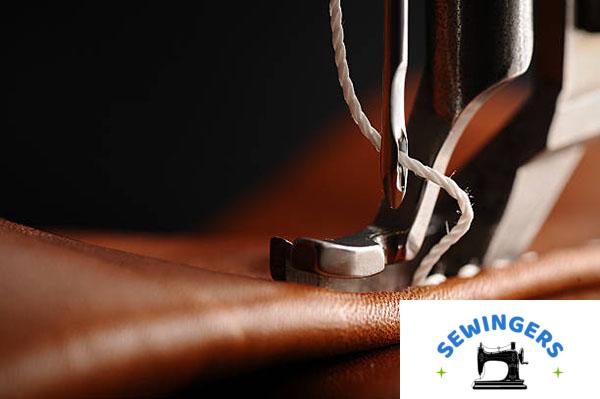
Leather doesn’t play nice with just any old needle. You’ll need a heavy-duty, wedge-point needle—think of it as the Excalibur of sewing needles. These bad boys pierce through leather like a hot knife through butter, minimizing skipped stitches and fraying. Pair that with a high-quality polyester or nylon thread, and you’ve got a stitching combo that’s as tough as your leather.
And let’s talk about stitch length. Leather demands longer stitches—anywhere from 3 to 5 millimeters—to prevent the material from tearing under stress. Shorter stitches might look neat in a scrapbook, but they’re a recipe for disaster in leatherwork. It’s all about balance: enough stitch to hold, but not so much that it weakens the material.
The Industrial Edge: Why Home Machines Just Won’t Cut It
Here’s the hard truth: most home sewing machines are about as useful for leather as a spoon is for digging a well. They’re designed for delicate fabrics, not the rugged demands of thick hides. Industrial machines, on the other hand, are built like tanks. They’ve got metal frames, powerful motors, and the kind of durability that makes them feel like they’ll outlast the apocalypse.
Take the Cobra Class 4, for example. This beast is a favorite among leatherworkers for a reason. It’s got a walking foot that feeds the leather through the machine like a conveyor belt, ensuring even stitches every time. Plus, its adjustable speed control lets you dial in the perfect pace—whether you’re stitching a delicate gusset or a thick seat panel.
Ergonomics and Ease: The Unsung Heroes of Sewing Comfort
Let’s face it: sewing leather isn’t a sprint—it’s a marathon. And if your machine feels like it’s designed by a medieval torturer, you’re not going to last long. Look for machines with ergonomic features: a comfortable, padded table to rest your arms, a knee lifter to raise the presser foot without breaking your rhythm, and a lightweight design that won’t leave your arms screaming after an hour of stitching.
And don’t overlook the little things. A built-in thread cutter? A reverse stitch lever? These are the tiny conveniences that turn a grueling task into a labor of love. After all, if you’re going to spend hours hunched over your machine, you might as well enjoy the ride.
Budget vs. Investment: Where to Spend Your Hard-Earned Cash
We get it—money doesn’t grow on trees. But when it comes to leather sewing machines, skimping now could cost you dearly later. A $200 home machine might seem like a steal, but it’ll likely crap out on you the first time you try to stitch through a 6-ounce hide. Instead, consider this: a quality industrial machine can last decades. That’s not an expense—it’s an investment in your craft.
Of course, that doesn’t mean you have to mortgage your house for a machine. Entry-level industrial models like the Juki DDL-8700 can be had for under $1,000, and they’ll handle most leatherwork with ease. If you’re serious about your craft, though, be prepared to spend a little more for the kind of machine that’ll make your chopper seats the envy of every biker from here to the next county.
Final Stitches: Choosing the Machine That’s Right for You
So, you’re ready to take the plunge. You’ve got the leather, the vision, and the determination to create something extraordinary. Now, it’s time to find the machine that’ll bring your dreams to life. Start by assessing your needs: How thick is the leather you’ll be working with? How much volume do you plan to produce? Will you be stitching in straight lines, or do you need the flexibility to tackle curves and corners?
Once you’ve answered these questions, it’s time to do your homework. Read reviews. Watch videos. Talk to other leatherworkers. And most importantly, trust your gut. The right machine will feel like an extension of yourself—something you reach for without a second thought.
Because at the end of the day, the best leather sewing machine isn’t just a tool. It’s the key to unlocking your creativity, the partner that helps you turn raw materials into works of art. So go ahead—make your choice. And then get stitching.