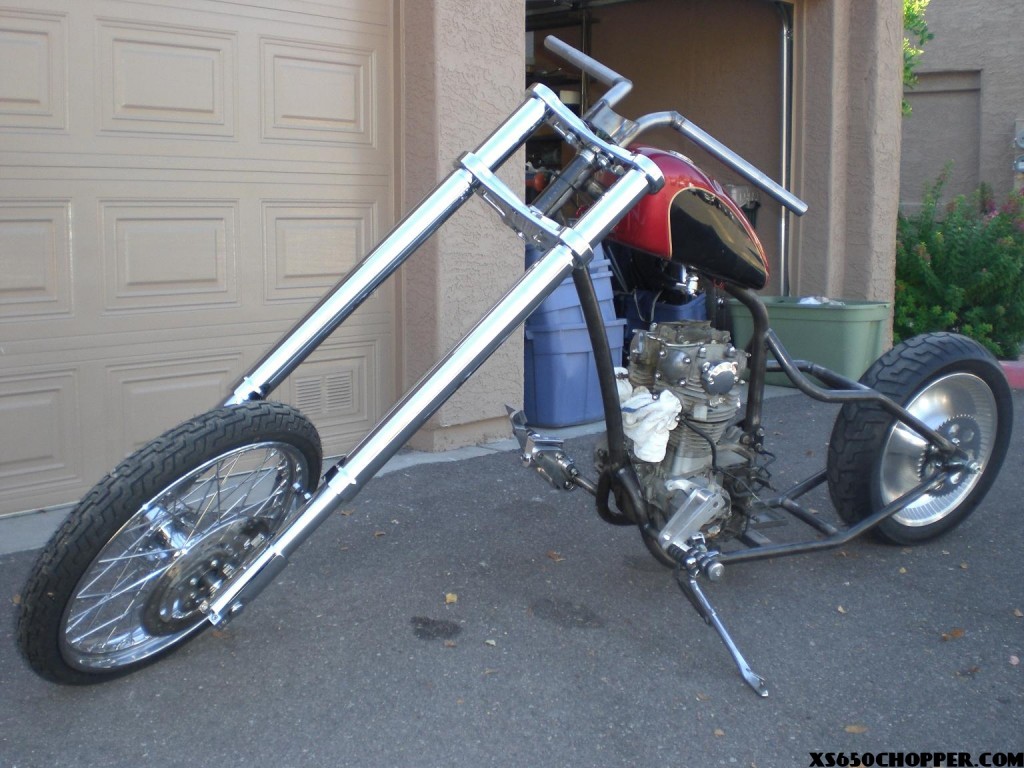
There’s a raw, unfiltered thrill in the art of chopper fabrication—a symphony of steel, fire, and relentless creativity. Yet, beneath the gleam of polished chrome and the roar of a custom engine lies a silent guardian: leather safety gear. It’s not just protection; it’s a statement. A defiance against the unforgiving nature of the craft. This isn’t about mere compliance—it’s about elevating your work into a realm where danger and precision coexist without compromise. If you’ve ever felt the sting of a stray spark or the pinch of a misplaced tool, you know the difference between a close call and a career-altering injury. Leather isn’t just a material; it’s your armor, your second skin, the unsung hero of every weld and grind.
The Unseen Battleground: Why Leather Stands Apart in Chopper Fabrication
Imagine this: a rogue spark arcs toward your forearm, but instead of searing flesh, it glances off a thick hide of chrome-tanned leather. The heat dissipates. The threat vanishes. This is the silent power of leather—a material that doesn’t just resist fire; it repels it. Unlike synthetic alternatives that melt or degrade under extreme heat, leather chars, forming an insulating barrier that buys you precious seconds to react. It’s a paradox: soft to the touch, yet unyieldingly tough against the chaos of fabrication. But its virtues extend beyond fire resistance. Leather’s natural fibers absorb and disperse kinetic energy, cushioning blows from flying debris or the occasional misplaced hammer swing. It’s not just protection; it’s a tactical advantage in a high-stakes environment.
Consider the ergonomics. Chopper fabrication demands hours hunched over a bench, hands gripping tools with relentless precision. Leather, when treated and stitched correctly, molds to your body like a second skeleton. It doesn’t chafe. It doesn’t restrict. Instead, it becomes an extension of your movements, allowing you to weld, cut, and shape with the fluidity of a dancer and the focus of a surgeon. This isn’t gear; it’s a silent partner in your craft.
Beyond the Basics: The Anatomy of High-Performance Leather Gear
Not all leather is created equal. The market is awash with cheap imitations, but true mastery lies in understanding the nuances of hide selection, tanning processes, and construction techniques. Start with the hide itself. Full-grain leather, harvested from the top layer of the hide, retains its natural strength and durability. It’s the gold standard for gear that must endure years of abuse. Split-grain or bonded leather, by contrast, is a gamble—softer initially, but prone to delamination and wear. Then there’s the tanning. Chrome tanning, while faster and more affordable, can leave residues that irritate sensitive skin. Vegetable tanning, though pricier, yields a supple, breathable leather that ages like fine wine, developing a patina that tells the story of your work.
The stitching is where the magic happens. Hand-stitched seams, reinforced with waxed linen thread, can withstand forces that would shred synthetic stitching. Look for double-needle construction on high-wear areas—elbows, shoulders, and the back of the neck. These aren’t just seams; they’re the difference between a gear that lasts a season and one that lasts a lifetime. And don’t overlook the hardware. Nickel-plated or brass rivets, corrosion-resistant buckles, and adjustable straps ensure your gear adapts to your body’s demands, not the other way around.
From Workshop to Wilderness: Leather Gear for Every Fabrication Scenario
Chopper fabrication isn’t confined to the workshop. The road calls, and with it, the need for gear that transitions seamlessly from bench to bike. Enter modular leather systems. Jackets with detachable sleeves become vests for sweltering summer days. Pants with reinforced knees and articulated seams allow for a full range of motion, whether you’re kneeling to weld a frame or straddling a bike for a test ride. Gloves are another frontier. Fingerless designs with reinforced palms let you maintain dexterity while shielding your hands from abrasions and heat. Some even feature touchscreen-compatible fingertips, so you can check your phone without breaking your workflow.
But what about the elements? A sudden downpour can turn a minor inconvenience into a safety hazard. Water-resistant leather, treated with hydrophobic coatings, sheds moisture without sacrificing breathability. Meanwhile, ventilation panels—discreetly placed under the arms or along the back—prevent the clammy discomfort that plagues so many craftsmen. The goal isn’t just to protect; it’s to create an environment where your focus remains unwavering, regardless of the conditions.
The Psychological Edge: How Leather Gear Transforms Your Mindset
There’s a psychological dimension to wearing premium leather gear that’s often overlooked. It’s the difference between feeling like a worker and feeling like a warrior. When you slip into a jacket that fits like a second skin, when you fasten gloves that move with your hands like a second nervous system, you’re not just suiting up—you’re arming yourself with confidence. This isn’t superstition; it’s neuroscience. Studies show that the tactile feedback from well-crafted gear can reduce stress hormones and sharpen focus. It’s the reason soldiers wear uniforms that feel like armor, not just protection. For the chopper fabricator, leather gear does more than shield the body; it fortifies the mind.
Consider the ritual of suiting up. The weight of the jacket settling on your shoulders. The snug fit of the gloves as they hug your fingers. These aren’t mere preparations; they’re psychological triggers that signal your brain to enter a state of heightened awareness. You’re not just preparing to work; you’re preparing to conquer. And in an environment where a single misstep can have catastrophic consequences, that mindset is everything.
Sustainability and Craftsmanship: The Future of Leather in Fabrication
The conversation around leather often veers into ethical territory, and rightfully so. The future of chopper fabrication gear lies in sustainable practices that honor both the craft and the planet. Look for brands that source hides from ethical tanneries, where waste is minimized and water usage is optimized. Some innovators are even experimenting with lab-grown leather, which promises the same durability and breathability without the environmental toll. But for now, the gold standard remains vegetable-tanned leather from traceable sources. It’s a material that ages with grace, developing a character that reflects the wearer’s journey. A jacket that’s been through a decade of fabrication isn’t just functional; it’s a testament to a life well-lived.
Craftsmanship is another frontier. Handmade gear, stitched by artisans who’ve honed their skills over generations, offers a level of precision that mass-produced alternatives can’t match. These aren’t just products; they’re heirlooms. They’re passed down, repaired, and cherished. In a world of disposable gear, investing in handcrafted leather is a rebellion—a return to values that prioritize quality over convenience.
The Unspoken Rule: Leather Gear as a Silent Communicator
In the world of chopper fabrication, your gear speaks before you do. A well-worn leather jacket, its edges softened by years of use, tells a story of resilience and dedication. The gleam of a custom-stitched emblem on your gloves signals pride in your craft. Even the scent of leather—earthy, rich, redolent of tanneries and workshops—is a badge of honor. This isn’t vanity; it’s identity. When you wear leather gear, you’re not just protecting yourself; you’re declaring your commitment to the craft. You’re saying, “I don’t just build bikes. I build legacies.”
And perhaps that’s the most compelling reason to invest in quality leather. It’s not just about safety. It’s about legacy. It’s about the unspoken bond between a craftsman and his tools, a bond that transcends the physical and enters the realm of the mythic. In a field where every weld is a story and every bike is a testament to skill, your gear is the first chapter of that story. Make it count.