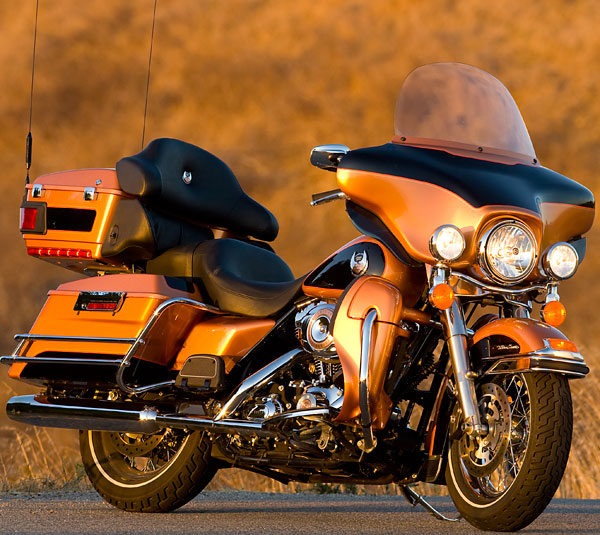
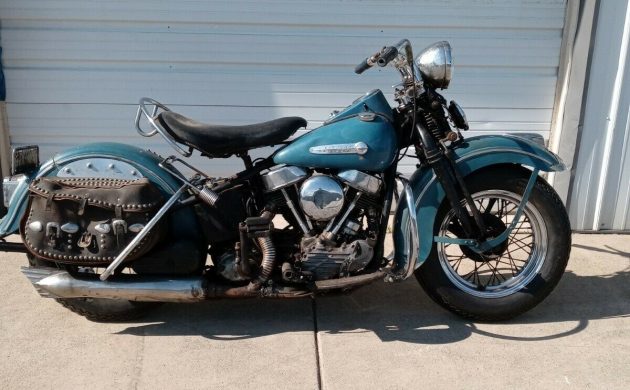
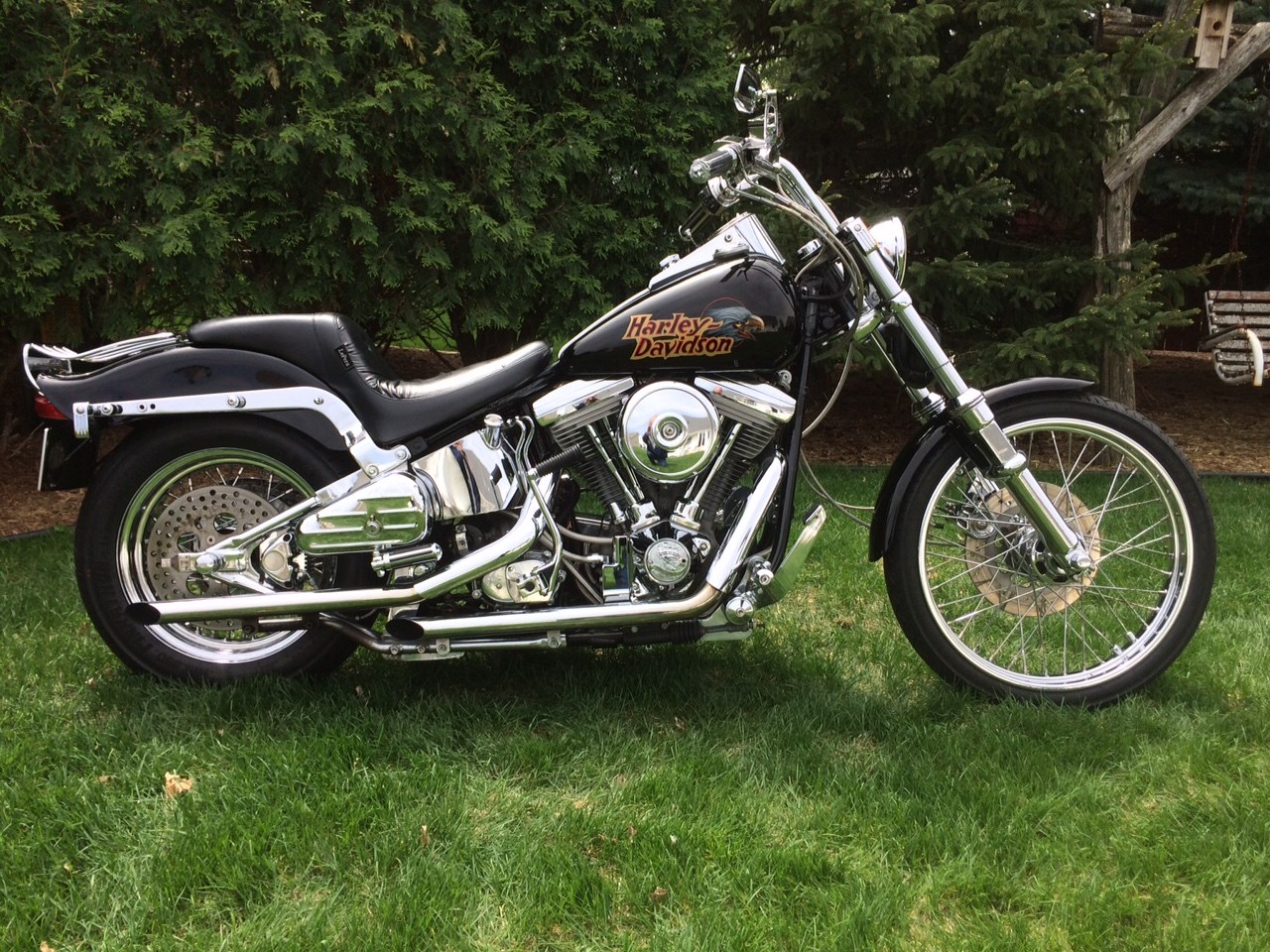
Imagine cruising down an open highway, the rumble of a monstrous V-twin engine vibrating through your bones, the wind tugging at your leathers as you lean into a curve with effortless grace. Now, picture that same machine, but with a frame stretched just a little longer, the forks raked out just a touch more, the exhaust pipes burbling with a deeper, more menacing growl. That, my friend, is the allure of a Super Twin chopper—a Harley Big Twin reborn into something wilder, meaner, and undeniably cooler. But how do you take that iconic Big Twin and transform it into a rolling work of art that turns heads at every stoplight? Buckle up, because we’re about to dive into the exhilarating, sometimes messy, always rewarding world of converting a Harley Big Twin into a Super Twin chopper.
The Heart of the Beast: Choosing the Right Big Twin Engine
Before you even think about stretching frames or swapping forks, you need to start with the engine—the soul of your future Super Twin. Not all Big Twins are created equal, and picking the right one can make or break your build. Are you going for raw, unfiltered power with an Evolution or Twin Cam, or do you want the modern muscle of an S&S or Milwaukee-Eight? Each has its quirks, its strengths, its own personality. The Evolution, for instance, is a classic workhorse, reliable and torquey, but lacks the high-RPM punch of newer mills. Meanwhile, the Twin Cam offers a balance of power and tunability, but at the cost of added complexity. And then there’s the Milwaukee-Eight—a beast of an engine, but one that demands respect in the tuning department.
But here’s the real kicker: compatibility. Not every Big Twin will play nice with the aftermarket parts you’ll need for a Super Twin conversion. Some engines are finicky about frame clearances, others struggle with the added stress of stretched dimensions. Do your homework. Measure twice, rev once. And if you’re not sure, consult a builder who’s done this before—because a poorly chosen engine can turn your dream build into a nightmare of clearance issues and endless tweaking.
Stretching the Limits: Frame Modifications and Geometry
Now, the fun part—making your Big Twin longer. Stretching the frame isn’t just about slapping on a longer backbone and calling it a day. Oh no. This is where the magic—and the madness—happens. A Super Twin isn’t just a stretched Big Twin; it’s a carefully calculated beast where geometry dictates handling, comfort, and even aesthetics. Too much stretch, and you risk turning your chopper into a wobbly, top-heavy nightmare. Too little, and it’ll look like you forgot to finish the job.
Start with the backbone. Most builders opt for a mild stretch—anywhere from 1 to 3 inches—depending on the look they’re going for. A subtle stretch keeps the ride manageable, while a more aggressive stretch gives that classic chopper stance. But here’s where things get tricky: rake and trail. Increasing the rake (the angle of the steering head) makes the bike more stable at high speeds but can also make it twitchy at low speeds. Trail—the distance between the point where the steering axis hits the ground and the contact patch of the front tire—plays a huge role in how the bike feels. Too much trail, and the bike fights you in turns. Too little, and it feels like it’s constantly trying to steer itself.
And let’s not forget the rear end. A stretched frame means a longer swingarm, which affects weight distribution and suspension travel. You might need to upgrade your shocks to handle the added length, or even consider a mono-shock setup for that sleek, modern chopper look. Every millimeter counts. Every degree of rake matters. This isn’t a job for the faint of heart—or the impatient builder.
Forks, Wheels, and the Art of the Stance
If the frame is the skeleton of your Super Twin, then the forks are the bones that give it character. Stock Harley forks are fine for a standard build, but a Super Twin demands something with more attitude. Telescopic forks are the most common choice, but the length and rake of those forks will drastically alter the bike’s stance. Longer forks with a raked-out triple tree give that stretched, laid-back chopper look, but they also lower the front end, which can affect handling. Shorter forks with less rake keep the bike more upright, but they might not give you the aggressive stance you’re after.
Then there’s the wheel and tire combo. A Super Twin isn’t complete without a set of wide, sticky tires that scream “I own this road.” But bigger tires mean bigger wheels, which means more clearance issues. You’ll need to check your chain line, your brake caliper clearance, even your fender fitment. And don’t even get me started on the debate between spoked and solid wheels. Spoked wheels give that classic chopper vibe, but they require more maintenance. Solid wheels are low-maintenance and modern, but they lack the raw, vintage appeal.
And let’s not forget the stance—the way the bike sits when it’s parked. A Super Twin should look like it’s ready to pounce, with the front wheel slightly tucked under the frame and the rear wheel pushed out just enough to give it that aggressive, stretched-out look. Achieving the perfect stance isn’t just about aesthetics; it’s about balance. Too much rearward weight, and the bike will wallow in turns. Too much forward weight, and it’ll feel top-heavy. It’s a delicate dance, one that requires patience, precision, and a healthy dose of trial and error.
The Exhaust Symphony: Crafting a Sound That Demands Attention
A Super Twin isn’t just about looks—it’s about sound. The exhaust note should be a deep, resonant growl that rumbles through your chest and shakes the pavement beneath you. But achieving that perfect tone isn’t as simple as bolting on a set of aftermarket pipes. It’s a science, a craft, an art form. The wrong headers can turn your glorious V-twin into a wheezing, backfiring mess. The right ones can make it sing like a choir of mechanical angels.
Start with the headers. A Super Twin typically calls for a set of 2-into-1 or 2-into-2 headers, depending on the look you’re going for. 2-into-1 setups give a deeper, more resonant tone, while 2-into-2 setups offer a sharper, more aggressive bark. But here’s the catch: header length matters. Longer headers improve low-end torque but can choke off high-RPM power. Shorter headers do the opposite. You’ll need to balance your exhaust note with your engine’s powerband to get the best of both worlds.
Then there’s the muffler debate. Do you go with a straight-pipe look, or do you opt for a more subdued, street-legal setup? Straight pipes are loud, proud, and undeniably cool—but they’re also illegal in most places and will earn you more than a few annoyed glares from your neighbors. Quieter mufflers, like the Vance & Hines Big Shots or the Cobra Radials, give you that deep, throaty growl without the ear-splitting noise. But they can also dampen the sound, leaving your build feeling a little… muted.
And let’s not forget the exhaust routing. A Super Twin’s exhaust shouldn’t just hang there like an afterthought—it should be a statement piece. Think about how the pipes flow from the headers to the mufflers. Do they curve gracefully around the engine, or do they cut sharp angles that scream “I was built in a hurry”? Do they tuck neatly under the bike, or do they hang low and proud, daring anyone to challenge your ride? The exhaust is the voice of your chopper. Make it count.
The Finishing Touches: Paint, Chrome, and the Illusion of Perfection
You’ve got the engine purring, the frame stretched, the stance dialed in, and the exhaust singing its siren song. Now comes the part where you turn this mechanical masterpiece into a work of art: the finish. A Super Twin isn’t just a bike—it’s a statement. And that statement starts with the paint.
Do you go with a classic two-tone scheme, like black and chrome or candy apple red and pearl white? Or do you opt for something more daring, like a flame job or a custom airbrush design? The paint is your first impression, the thing that makes people stop and stare. But it’s also the thing that shows every imperfection. A poorly painted frame will scream “amateur hour” louder than a misaligned fender. So if you’re not confident in your spray gun skills, save up and hire a professional. A good paint job isn’t cheap, but it’s worth every penny when you see the looks on people’s faces as you roll by.
Then there’s the chrome. Chrome is the jewelry of the motorcycle world—it catches the light, it gleams, it demands attention. But chrome isn’t just about slapping on some shiny bits and calling it a day. It’s about contrast. A Super Twin with too much chrome can look gaudy, like a disco ball on wheels. A Super Twin with too little can look dull, like it’s missing a spark of life. The key is balance. Use chrome to highlight the bike’s best features—the fuel tank, the engine cases, the exhaust headers—and let the paint do the rest.
And don’t forget the details. The seat, the grips, the pegs, the mirrors—every little piece should feel intentional. A Super Twin isn’t just about size and power; it’s about presence. It’s about making people stop and think, “Damn, that’s a bike.” So take your time. Choose your parts carefully. And when you finally roll your finished chopper out into the sunlight for the first time, make sure you’ve got a camera ready—because you’re about to create a masterpiece.

There you have it—the ultimate guide to converting a Harley Big Twin into a Super Twin chopper. It’s a journey of patience, precision, and passion. It’s about pushing boundaries, defying expectations, and creating something that’s uniquely yours. So what are you waiting for? The road is calling. Your dream chopper is waiting. And the only thing standing between you and two-wheeled glory is a wrench, a dream, and the courage to make it happen.