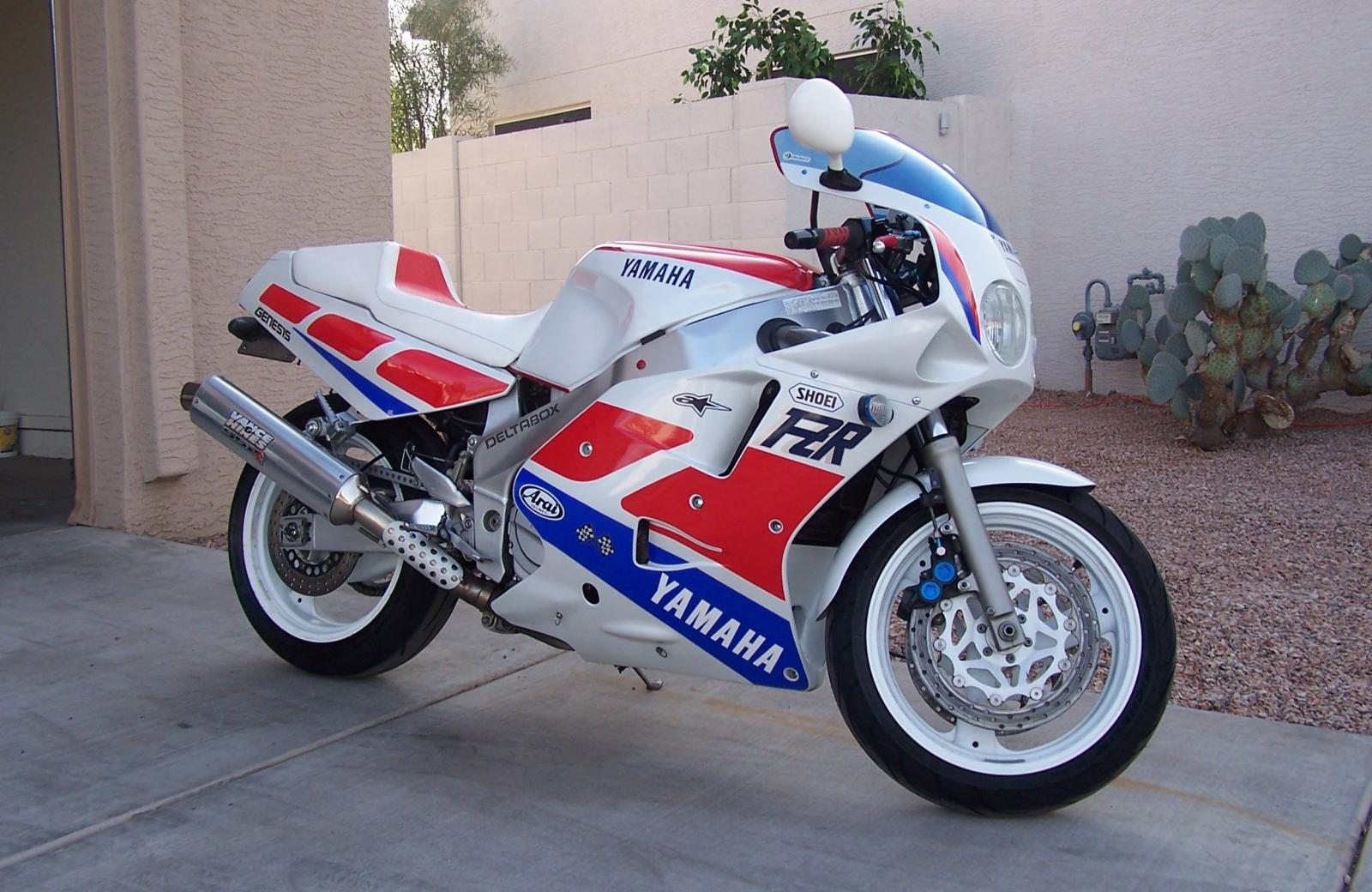
When discussing sportbikes from the 1990s, a question often arises: which reigns supreme among the iconic trio—the Honda CBR, Kawasaki Ninja, or Suzuki GSX-R? Is there a definitive champion, or does the answer depend on what you value most in a high-octane machine? This playful challenge invites an exploration into the engineering marvels, design philosophies, and performance attributes that defined these legendary superbikes. The 1990s were a pivotal era, where innovation met raw adrenaline, producing models that not only dominated tracks but also captured the hearts of riders worldwide.
Diving first into the realm of Honda’s CBR series, it’s impossible to overlook the meticulous craftsmanship and reliability that have become synonymous with the brand. The CBR900RR Fireblade, introduced in 1992, was revolutionary—heralded for injecting a race-bred ethos into a street-legal package. Honda’s mantra for the Fireblade was “Total Control,” a promise that resonated through its lightweight chassis and nimble handling. Weighing significantly less than its predecessors, the Fireblade broke conventional norms by pairing a potent inline-four engine with agile dynamics, ensuring the rider remained king of the road and track alike.
The CBR900RR’s engine was a masterpiece of the time—a rev-happy 900cc four-cylinder that delivered exemplary power without sacrificing smoothness. Its balance and manageability redefined cornering prowess, allowing riders to exploit its capabilities with confidence. But beyond raw metrics, what truly distinguished the Fireblade was its elegant blend of technology and accessibility. From amateur riders craving sportbike thrills to seasoned veterans, the CBR was touted as a machine that could serve a spectrum of competencies effortlessly.
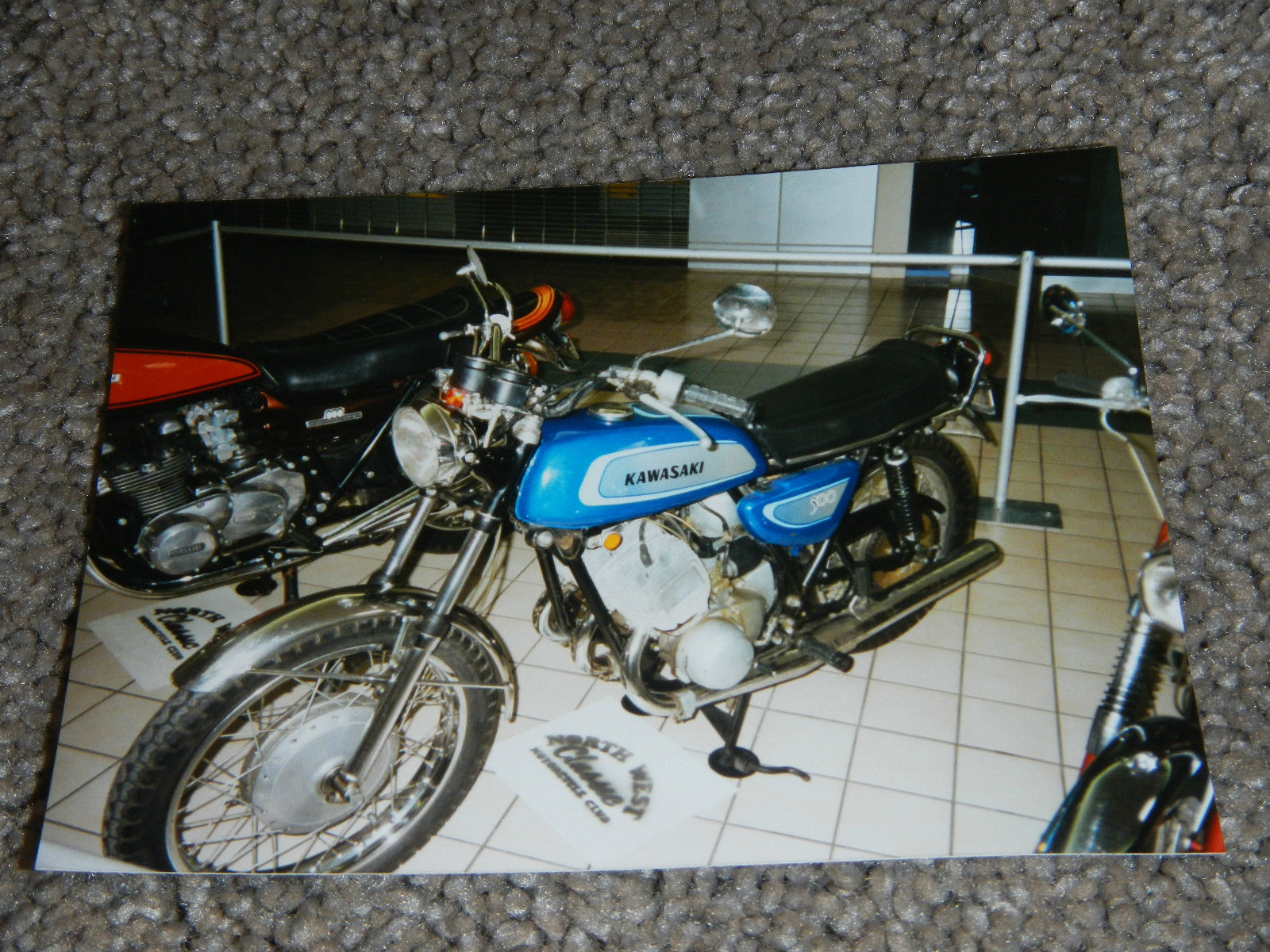
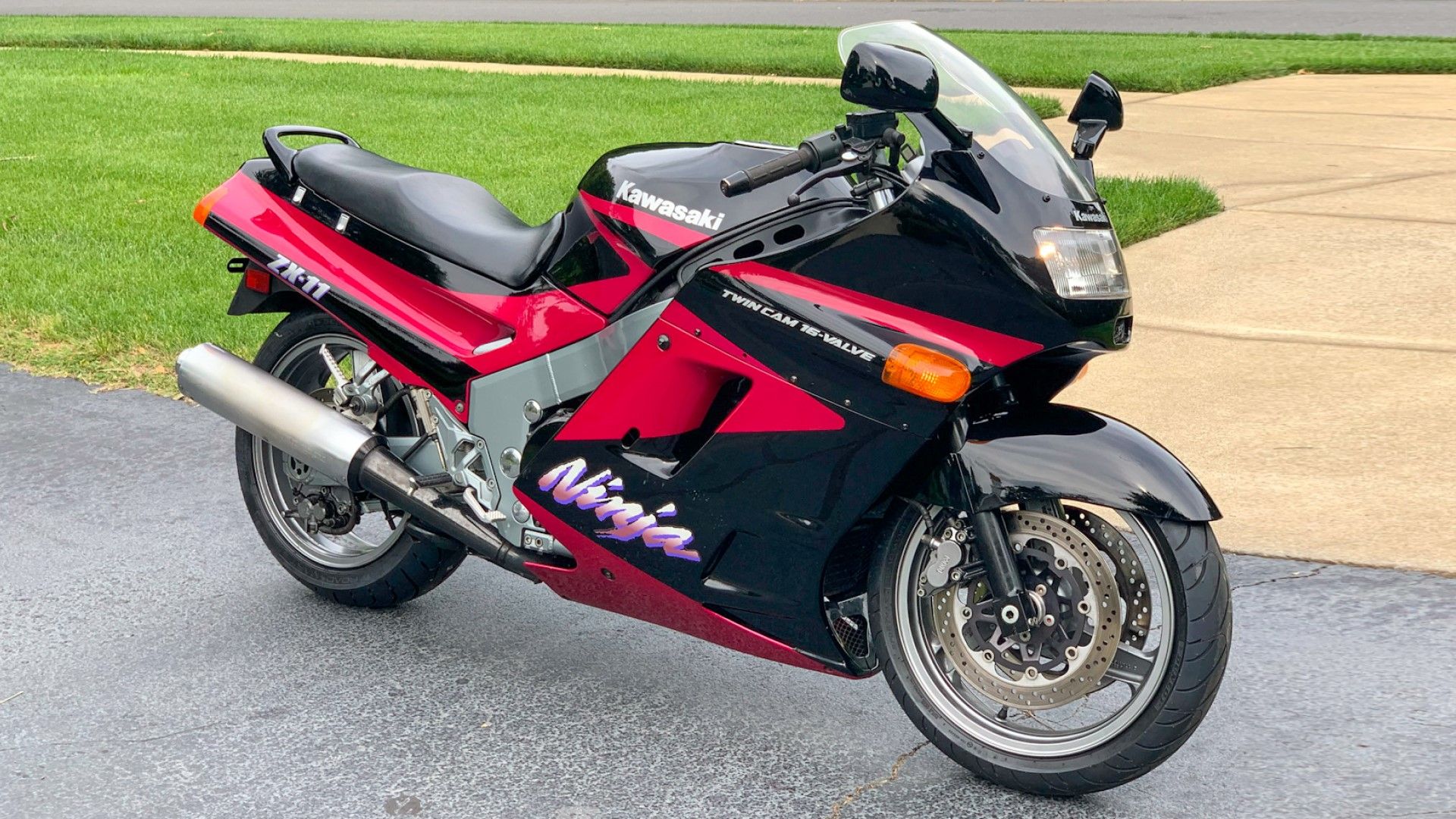
Counter to Honda’s approach, Kawasaki’s Ninja series embraced the aggressive spirit of the 90s with its ZX-11, famously branded as the fastest production motorcycle when it was released. The Kawasaki Ninja ZX-11 (or ZZ-R1100 in some markets) flaunted a larger displacement engine—a 1052cc inline-four beast—that boasted staggering top-speed capabilities, pushing the envelope of what street-legal superbikes could achieve. This wasn’t just a fast bike; it was a technological tour de force equipped with advanced aerodynamics and twin-spar aluminum frames that offered rigidity and control at breakneck velocities.
Speed was at the heart of the Ninja’s identity. Kawasaki pursued the thrill-seeker’s dream with relentless vigor, focusing on raw horsepower and straight-line acceleration. The ZX-11’s imposing presence was matched by its muscular engine note—a symphony to petrolheads craving unfiltered power. However, despite its outright speed, the Ninja was not just a straight-line star. Its handling, while slightly heavier than the CBR, offered remarkable stability and confidence at high speeds, enabling riders to tackle highways and twisty roads with comparable fervor.
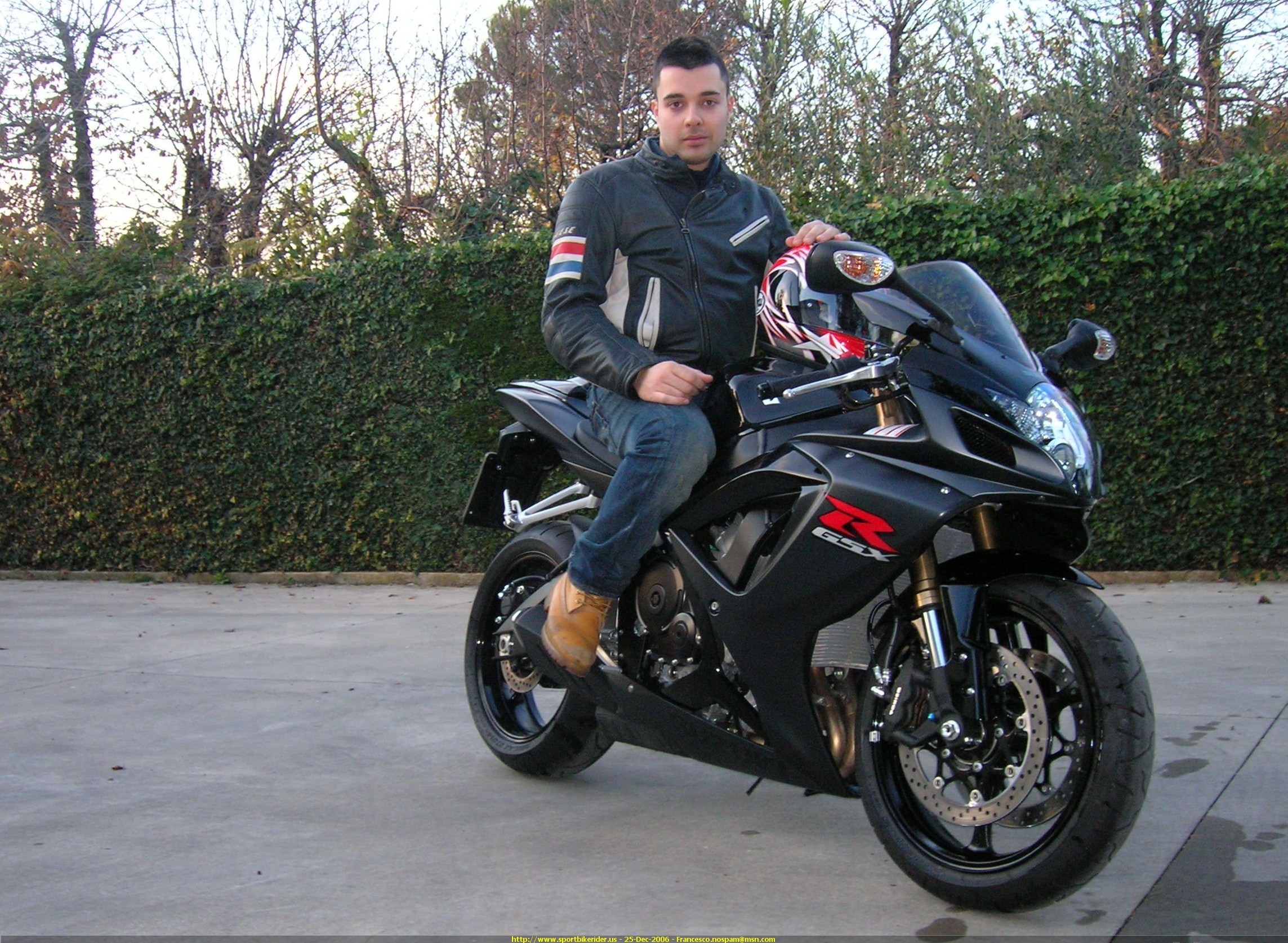
Then, there’s Suzuki’s GSX-R series—a bike often revered for pioneering the “race bike for the road” concept. The GSX-R750, notably, became a symbol of Suzuki’s commitment to lightweight performance and cutting-edge technology. Arriving in various iterations through the 90s, the GSX-R combined a compact, sporty design with a power-to-weight ratio that challenged even its more powerful competitors. Suzuki’s engineering brilliance was evident in its use of advanced materials and a chassis designed for exceptional agility.
The GSX-R’s inline-four engine was finely tuned to deliver a balance of mid-range torque and high-end power, making the bike exceptionally versatile for both spirited street rides and competitive events. What set the GSX-R apart was its pioneering contribution to the development of aluminum frames and exclusive suspension components that enhanced both handling and comfort—a synergy that was rare among sportbikes of that era. The motorbike established a cult following, thanks to its ability to straddle the line between track domination and everyday usability.
Choosing among the Honda CBR, Kawasaki Ninja, and Suzuki GSX-R in the 1990s isn’t a straightforward task—it’s a conundrum steeped in personal preferences and riding style. For enthusiasts who prioritize razor-sharp agility and a harmonious powertrain, the CBR900RR might be the quintessential choice. Those chasing top-speed records and a turbocharged rush would more likely gravitate towards the Ninja ZX-11. Meanwhile, riders who value a meticulous blend of race-oriented technology and street-friendly versatility would find the GSX-R an alluring contender.
Beyond specifications, these bikes encapsulate philosophies and cultural moments in motorcycling history. The 90s marked a transformative decade where technological ambition met rider aspirations, and these machines were the embodiment of that marriage. Each model represented a unique narrative—an invitation to experience speed, dexterity, and the thrill of the open road from distinctly different perspectives.
In retrospect, the “best” 1990 sportbike might not even be a single model but rather the collective legacy of the CBR, Ninja, and GSX-R lines that fueled the sportbike revolution. These motorcycles inspired a generation and set standards that continue to influence modern sportbike design. They stand as testaments to innovation, competition, and the eternal quest for riding perfection.
So, which sportbike wins the crown? Perhaps the real answer lies not in the rankings but in the rider’s heart—and the exhilarating memories forged atop these mechanical marvels. The ultimate challenge remains: do you favor precision engineering, brute speed, or the harmonious blend of the two? Either way, the 90s offered a triumvirate of sportbikes that ensured the thrill of riding reached unparalleled heights.