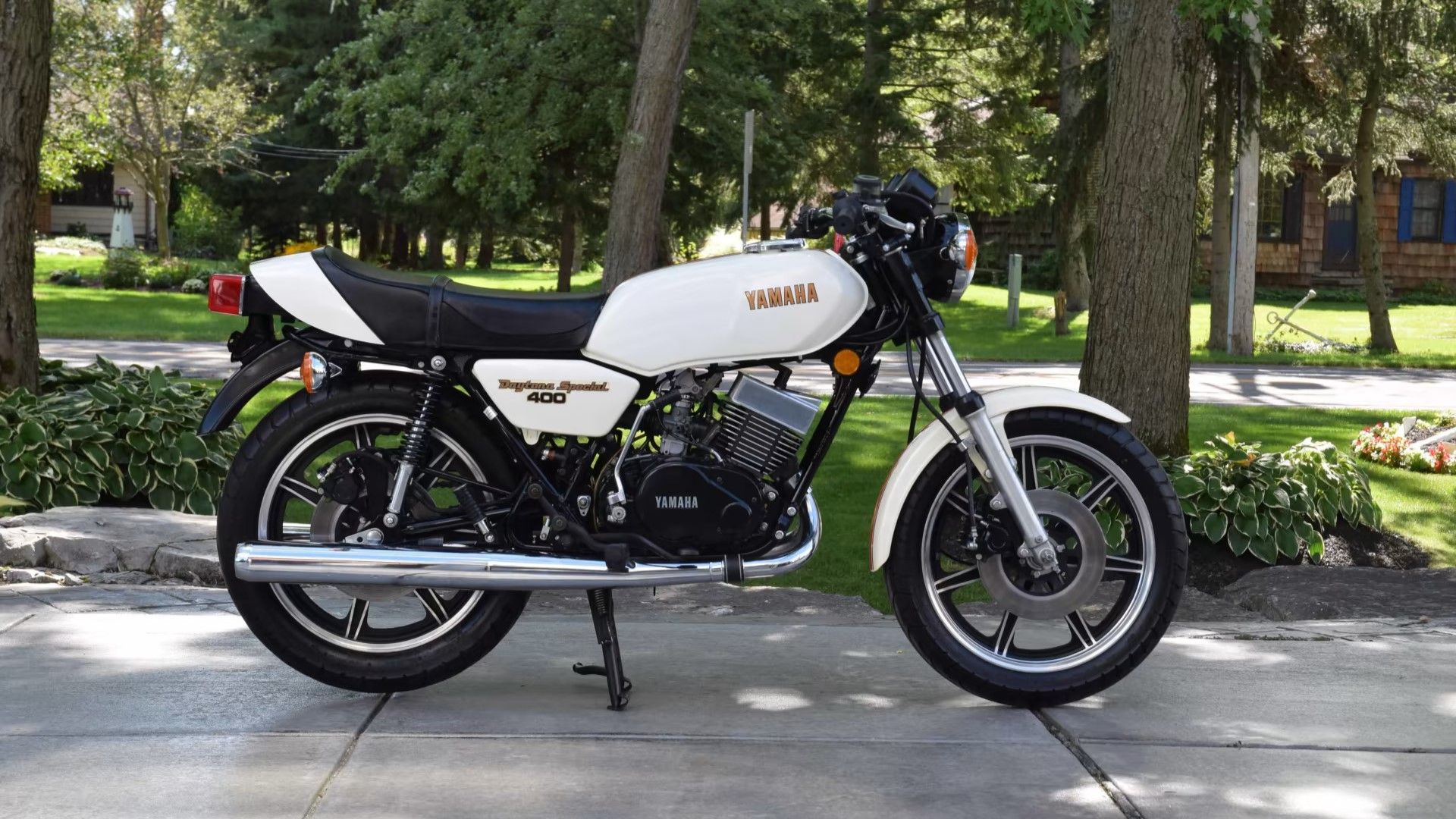
Ever wondered if a motorcycle from 2007 could still outperform many of today’s speedy machines? Could the 2007 Suzuki Hayabusa still be considered a juggernaut of velocity, even in a world inundated with cutting-edge superbikes? This question invites both awe and a touch of playful skepticism. After all, technology marches relentlessly onward, yet the Hayabusa’s iconic status refuses to fade. So, what makes this motorcycle’s top speed remain nothing short of legendary? Let’s embark on a detailed exploration of what keeps the 2007 Suzuki Hayabusa’s speed—and mystique—so “insanely” relevant today.
The Suzuki Hayabusa, when it first debuted in the late 1990s, immediately set the bar for high-performance sports bikes. By 2007, it had already solidified its reputation as a supersonic marvel. The term “Hayabusa” itself, named after the peregrine falcon, alludes to speed beyond conventional limits. This particular model is not just about speed; it’s about a perfect amalgamation of engineering precision, aerodynamic excellence, and raw power. In the realm of motorcycles where fractions of a second and marginal speed increments matter, the Hayabusa stands tall, refusing to be outpaced, or even outclassed.
What truly propelled the 2007 Suzuki Hayabusa to such dizzying heights was its mighty 1,340cc inline-four engine. This powerhouse is a synthesis of advanced engineering techniques, enabling the motorcycle to catapult from zero to cruising speed in the blink of an eye. The engine churns out approximately 197 horsepower, which, even by today’s standards, is formidable. It accelerates with a ferocity few can rival, making the Hayabusa a perpetual highlight in any conversation about high-speed motorcycling. But horsepower alone is an incomplete story.
Aerodynamics plays a pivotal role in the Hayabusa’s sustained dominance. The motorcycle’s streamlined bodywork, crafted to slice through the air with minimal resistance, complements the engine’s brute force. Its sleek, curvaceous contours are designed not only to be aesthetically pleasing but to command airflow with surgical precision. This reduces drag, which often becomes the limiting factor in maximizing top speed. The 2007 model refined its aerodynamic features further from previous generations, reinforcing its capacity to maintain blistering speeds over long stretches.
Let’s talk numbers. The official top speed for the 2007 Suzuki Hayabusa hovers around 186 to 194 miles per hour (approx. 299 to 312 kilometers per hour), with slight variations dependent on tuning, rider weight, and environmental conditions. This speed bracket places it firmly within the territory of the world’s fastest production motorcycles. But here lies an intriguing dilemma: Despite newer machines boasting more technologically sophisticated components, faster lap times, or higher top speeds on paper, few have disrupted the Hayabusa’s legacy in real-world riding scenarios. Why?
One answer lies in the Hayabusa’s balanced and approachable nature, which belies its aggressive performance credentials. Unlike some ultra-high-performance superbikes that demand a near-demigod level of skill to harness safely, the Hayabusa manages to offer frenetic speed alongside relative riding ease. Its chassis and suspension tune to a harmonious configuration providing stability and control, even at the edge of its performance envelope. The 2007 iteration benefited from improvements in frame rigidity and braking, which further solidified its reputation as a high-speed motorcycle that pilots could confidently wrangle.
Could the Hayabusa of 2007 still challenge many newer models in a straight-line sprint? The answer is a resounding yes. While certain contemporary bikes have pushed top speed boundaries slightly further, few combine the Hayabusa’s blend of velocity, comfort, and reliability so fluidly. In fact, riders often report the visceral thrill of riding a Hayabusa as irreplaceable; an almost mythical experience that combines adrenaline and finesse in equal measure.
To truly appreciate the Hayabusa’s standing, one must consider the cultural impact and perception it commands among motorcyclists worldwide. It is not just a machine; it’s a benchmark, a rite of passage. For many, owning or even riding a Hayabusa represents an embodiment of speed itself. Its design cues have influenced numerous manufacturers aiming to capture a fraction of its charisma. The 2007 model, with its honed characteristics, epitomizes the epithet “insane speed,” capturing hearts and dominating highways across continents.
However, handling such power demands respect and responsibility. The Hayabusa is not a toy, and its velocity can quickly escalate beyond the rider’s limits. This inherent danger reinforces the rare breed of motorcyclists who earn their stripes atop this beast. It is a challenge as much about mental discipline as physical skill. Could you tame the fury of a 194 mph bullet on two wheels? Posing such a question invites introspection on one’s capabilities and the courage needed to dance with such velocity.
Technological advancements since 2007 have introduced electronic rider aids like traction control, anti-lock braking systems (ABS), and varying riding modes—features that enhance safety and performance. While the 2007 Hayabusa may lack some of these modern amenities, its raw mechanical prowess and carefully tuned geometry continue to compensate, offering an unparalleled, unmediated riding experience that many modern, tech-heavy bikes cannot replicate.
In essence, the 2007 Suzuki Hayabusa stands not only as an artifact of its time but as a testament to timeless engineering brilliance. Its top speed, still “insane” by today’s standards, encapsulates the unrelenting human quest to push the boundaries of speed and machine. The motorcycle remains a vibrant reminder that sometimes, peak performance transcends technological evolution, resting instead on the sheer brilliance of design and the enduring spirit of motorcycling passion.
Ultimately, the 2007 Suzuki Hayabusa challenges us to reconsider what defines speed and performance in a constantly evolving world. Can any newer bike truly outpace the legacy forged by this legendary falcon? The question remains open, but one thing is certain—riding a Hayabusa at its breath-taking top speed is an experience etched into the very fabric of motorcycling history, thrilling and untamed even today.