Imagine standing at the crossroads of a decision that could save—or cost—you thousands. On one path lies the reassurance of a factory warranty, a promise etched in the steel and silicon of a brand’s reputation. On the other, the allure of a small chopper shop’s extended warranty, whispered as a secret among enthusiasts, promising flexibility and personal touch. This isn’t just a comparison of warranties; it’s a clash of philosophies, a duel between the colossal and the bespoke. What if the warranty you choose doesn’t just protect your investment—it defines your relationship with it?
The Weight of a Name: What a Factory Warranty Truly Represents
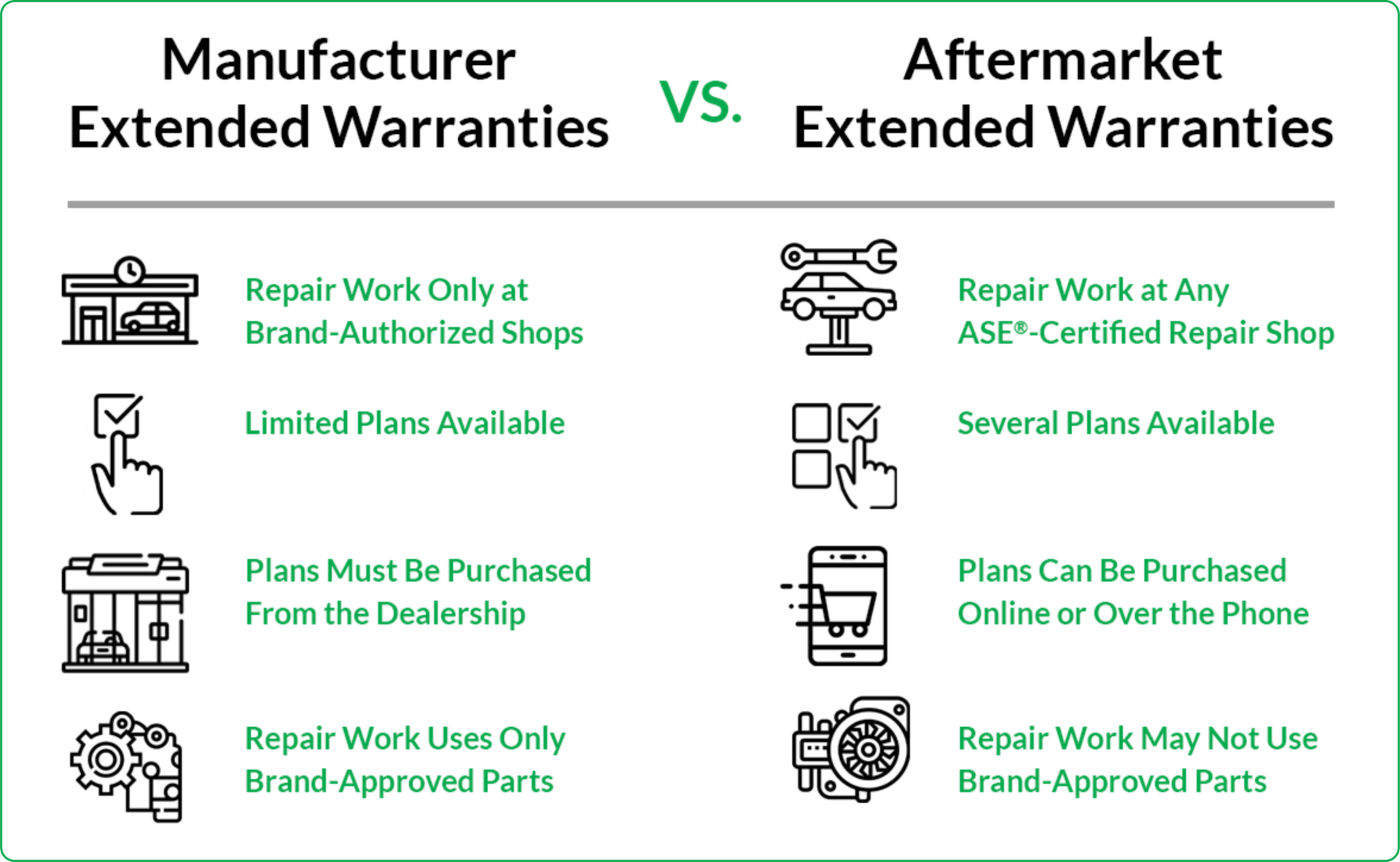
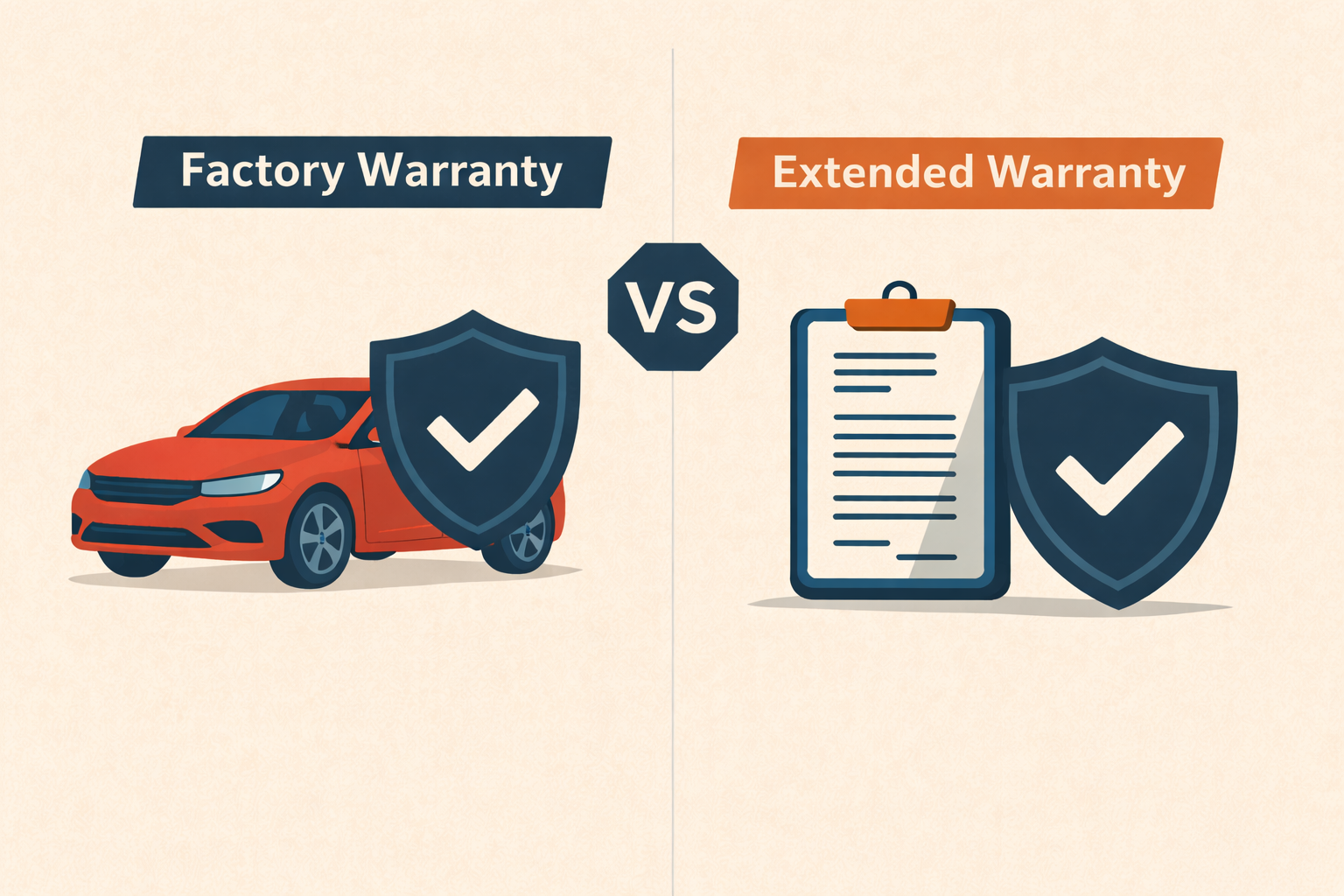
A factory warranty is more than a document; it’s a handshake between you and a monolith. It arrives with the gleam of a new purchase, a seal of approval from the very architects of the machine. These warranties are meticulously crafted, not just to cover defects, but to uphold a legacy. They are the bedrock of consumer trust, a silent vow that the brand’s engineers have poured their expertise into every bolt and circuit. But here’s the paradox: while they promise comprehensiveness, they often come with ironclad clauses that can feel like a labyrinth designed to test your patience. The factory warranty is a fortress—imposing, reliable, but occasionally impenetrable.
The Allure of the Underdog: Why Small Chopper Shops Captivate Hearts
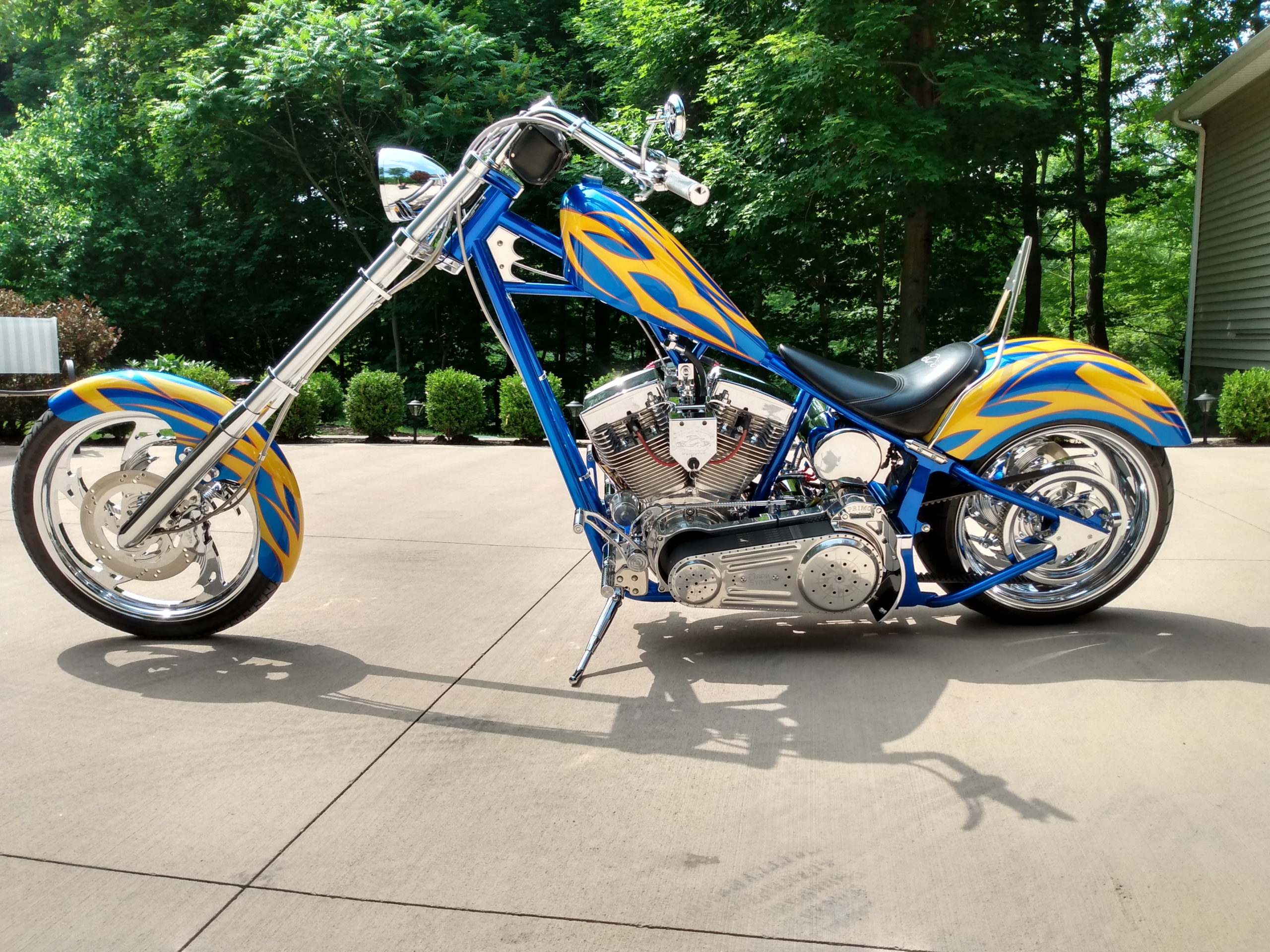
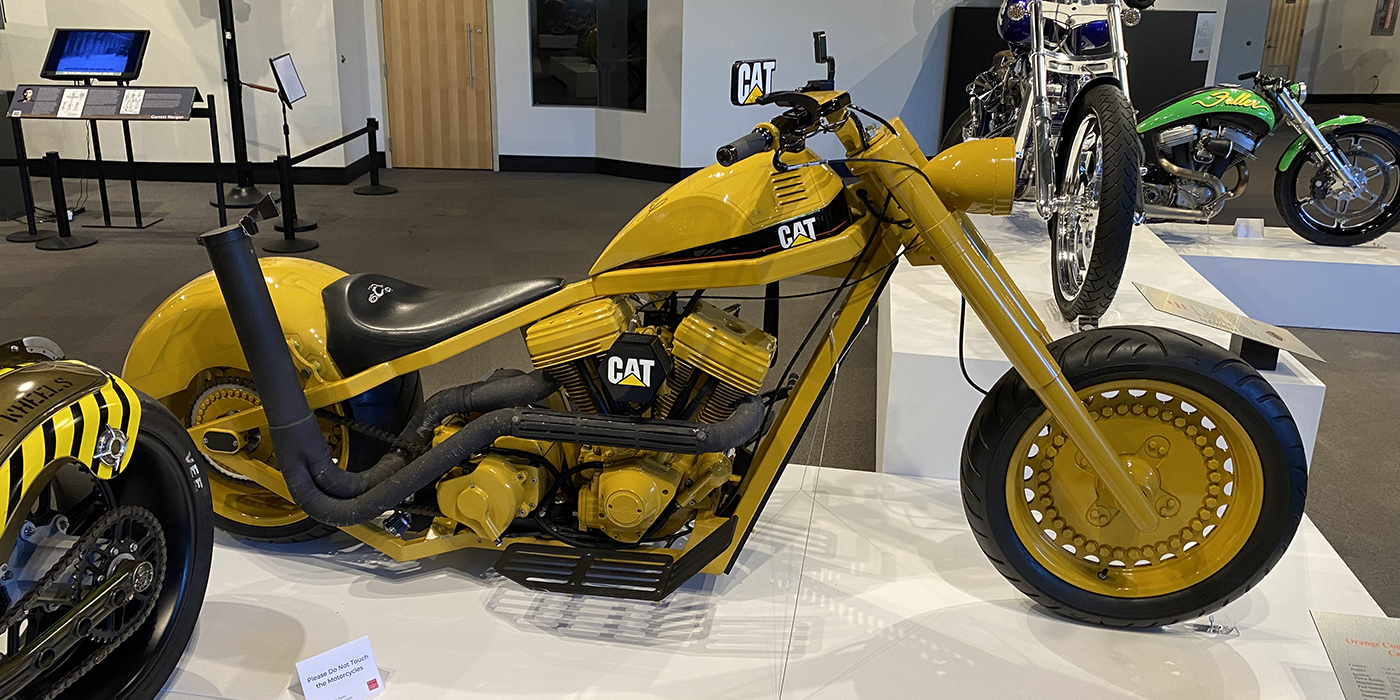
Now, turn your gaze to the small chopper shop, where the hum of machinery isn’t drowned out by corporate jargon. These workshops are temples of craftsmanship, where warranties aren’t just policies—they’re handshake agreements. The allure lies in the personal touch: a mechanic who remembers your name, who knows your machine’s quirks like the back of their hand. Extended warranties from these shops often come with a level of flexibility that factory warranties can’t match. They’re tailored, not templated. They’re born from real-world experience, not just boardroom meetings. But beware—they’re also born from risk. A small shop’s warranty is only as strong as its reputation, and reputations can fray under financial strain or mismanagement.
The Fine Print: Where Promises Begin to Fray
Let’s dissect the promises. Factory warranties are exhaustive, but their fine print is a minefield. Exclusions lurk like landmines: routine maintenance neglected? Voided. Modifications made? Voided. Even the way you store your machine could be grounds for denial. The small chopper shop’s warranty, meanwhile, might skip the legalese but could hinge on subjective interpretations—what constitutes “proper use” or “reasonable wear” is often left to the shop’s discretion. The factory warranty is a shield forged in steel; the small shop’s warranty is a cloak stitched from trust. Which one will you drape over your shoulders when the storm hits?
Cost vs. Value: The Silent Battle in Your Wallet
Money talks, but it doesn’t always tell the whole story. A factory warranty is an upfront cost, baked into the price of your machine. It’s predictable, but it’s also a sunk cost—you pay whether you use it or not. The small chopper shop’s extended warranty, on the other hand, is a gamble. You’re betting on the shop’s longevity and goodwill. The math seems simple: factory warranties are expensive but guaranteed; small shop warranties are cheaper but risky. Yet, the true cost isn’t just in dollars—it’s in the peace of mind. Which currency do you value more?
The Human Element: Who Do You Trust to Fix Your Machine?
Trust is the invisible thread weaving through this decision. A factory warranty places your faith in a system—a brand, a call center, a faceless entity that may or may not have your back when the engine sputters at 3 AM. The small chopper shop, however, offers something intangible: a face, a voice, a reputation built on word-of-mouth and local legend. When your machine breaks, who do you want on the other end of the phone? A corporate hotline with a script, or a mechanic who’s already seen this problem a dozen times and knows exactly how to fix it? The factory warranty is a contract; the small shop’s warranty is a covenant.
Real-World Scenarios: When Warranties Collide with Reality
Consider the tale of two riders. The first, a meticulous owner who religiously follows the factory’s maintenance schedule, finds themselves stranded with a blown transmission. The factory warranty denies the claim—they missed a service interval by a week. The second rider, less disciplined, takes their machine to a local chopper shop for a “quick fix.” When the same transmission fails, the shop’s warranty covers it—no questions asked. The factory warranty was a fortress with a single, unmarked gate; the small shop’s warranty was a network of hidden paths, each leading to a solution. Which rider would you rather be?
The Future: Warranties in a World of Shifting Loyalties
We live in an era where loyalty is a currency in decline. Factories churn out machines at breakneck speed, their warranties growing more complex with each iteration. Small chopper shops, meanwhile, are becoming rarer, their expertise a dying art. The factory warranty is a relic of a bygone era, a promise from a time when brands were synonymous with craftsmanship. The small shop’s warranty is a whisper of rebellion, a defiant stand against homogenization. As the world grows more digital, the tactile, human touch of a small shop’s warranty may become the ultimate luxury.
Final Verdict: Which Warranty Will You Choose?
The choice isn’t just about coverage—it’s about identity. Do you align yourself with the towering, unyielding strength of a factory, or the nimble, adaptive spirit of a small chopper shop? The factory warranty is a fortress; the small shop’s warranty is a key. One offers protection behind walls; the other offers freedom beyond them. The decision isn’t just about what you’re buying—it’s about what you’re becoming. So, which path will you take?