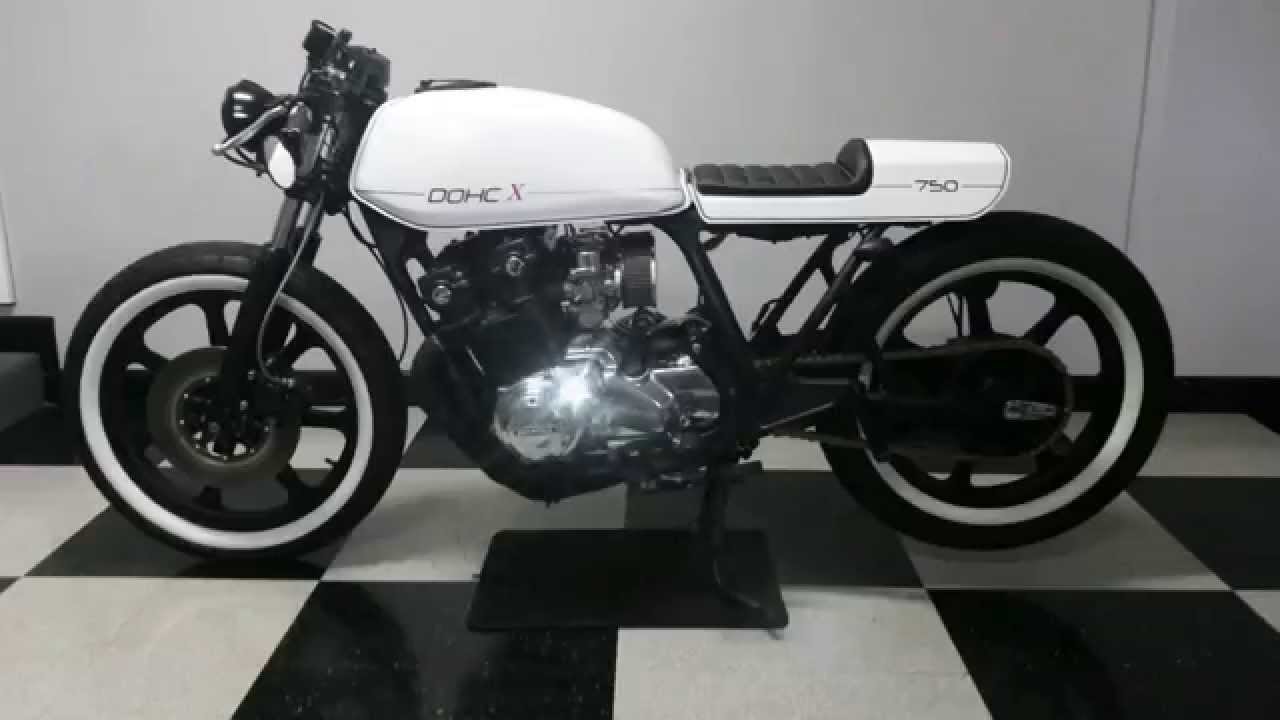
The late 1970s marked a pivotal epoch in motorcycle culture—a loom where tradition intertwined with rebellion, and raw mechanical ingenuity met bespoke artistry. At the heart of this movement was the Honda CB750, a motorcycle that transcended its engineering roots to become a canvas of expression for café racer enthusiasts. Between 1977 and 1980, the CB750 underwent profound transformations, embodying the spirit of speed, style, and subversion. This exploration delves into the best CB750 café racer builds from that era, unraveling the intricate craftsmanship and nuanced choices that elevate these machines beyond mere motorcycles and turn them into legacies on two wheels.
The CB750, initially heralded for its inline-four engine—a marvel of its time—offered an unprecedented balance between power and usability. Riders and builders alike found in it a platform ripe for customization, an alchemical base from which to distill personal flair into kinetic poetry. Café racer culture prized agility, lightness, and a minimalist ethos; hence builders embarked on slimming down the CB750’s stock form. The essence of these modifications was more than aesthetics; they promised a metamorphosis in riding experience, a visceral connection to speed and control hitherto unexplored.
One cannot discuss exemplary builds without acknowledging the frame modifications that redefined the CB750’s silhouette. Builders often executed meticulous rear subframe truncations, purging superfluous elements to create the iconic “hunchback” stance characteristic of café racers. This was not mere form over function; the abridged rear end drastically improved weight distribution and handled dynamics. The blend of welded recalls and custom-fabricated brackets also allowed for aggressive seating positions, conducive to a rider’s streamlined posture—a whisper against the air at elevated velocities.
Integral to the spirit of a café racer is the transformation of the fuel tank, often a focal point of aesthetic and ergonomic adjustments. Vintage CB750 tanks were frequently swapped or reshaped, elongated to mimic the silhouette of racing motorcycles from the 1960s. Some craftsmen employed fiberglass or aluminum to hammer out tapered profiles, adding knee indents and a meticulously polished finish. This element forged a symbiotic relationship between machine and rider—where every curve serves to cradle the rider’s frame, reducing drag and enhancing tactile feedback. Invariably, each tank tells a tale of both utility and personal statement.
Underneath the cosmetic changes, the mechanical heart of these CB750s beat with subtle yet radical enhancements. Carburetors were often re-jetted and synchronized to ensure a sharpened throttle response. Exhaust systems, custom-built with chrome or brushed steel, were free-flowing and sonorous, transforming the CB750’s characteristic hum into a throaty roar, evocative of racing circuits echoing in distant memories. Suspension components were upgraded with stiffer springs and refined damping, an engineering recalibration aimed at wresting more precise handling from the bike’s frame. Wheels and tires adopted sleek profiles, sometimes shod with period-correct Dunlops to keep the rides authentic and grounded.
Beyond mechanics and structure, the artistry of CB750 café racer builders of the late ’70s lies in detail work—the delicate dance between minimalism and purpose. Hand-stitched leather seats replaced factory saddles, their streamlined shapes echoing the era’s fastback aesthetics. Gauges were often pared down to essentials, with custom speedometers and tachometers embedded into bespoke mounts, ensuring the rider’s vision remained uncluttered and focused. Handlebars were swapped for clip-ons, plunging the rider into a lowered, aggressive posture while communicating feedback with precision.
Color palettes from this golden age of CB750 builds veered towards muted, utilitarian tones, though expressions of boldness were not uncommon. Matte blacks, metallic silvers, and deep gunmetals provided a noir canvas for subtle graphics or pinstriping, often hand-painted, that paid homage to the racing heritage. The juxtaposition of rugged frames with refined brushwork created a visual tension—a promise of raw power restrained by artistic sensibility.
The historical context also imparts depth to these builds. The CB750 was a disruptive force in the motorcycle world, introducing Japanese engineering prowess that challenged European norms. Café racers, once rooted in British motorcycle shops and rebellious youth culture, found a new muse in the CB750 during this period. These builds narrated a cross-cultural dialogue—melding precision engineering and individual spontaneity, offering a radical reinterpretation of what a café racer could embody.
In retrospect, the best CB750 café racer builds from 1977 to 1980 remain testament to an era where motorcycles were not mere modes of transport but extensions of identity and vectors of freedom. Each bike encapsulated a unique synthesis of performance tuning, visual boldness, and personal narratives. They beckoned riders towards roads unknown and speeds untamed, with an audacious promise: to alter the very perception of motorcycling through a deliberate, heartfelt reinvention.
Ultimately, the legacy of these builds transcends nostalgia. They invite contemporary builders and enthusiasts to reconsider the canvas anew—to balance reverence with innovation, to root creativity in respect for the machine’s lineage while opening pathways for novel expression. The 1977–1980 CB750 café racer builds are not just artifacts of the past but blueprints for transformation, compelling anyone who encounters them to rethink speed, style, and the symbiotic dance between rider and motorcycle.