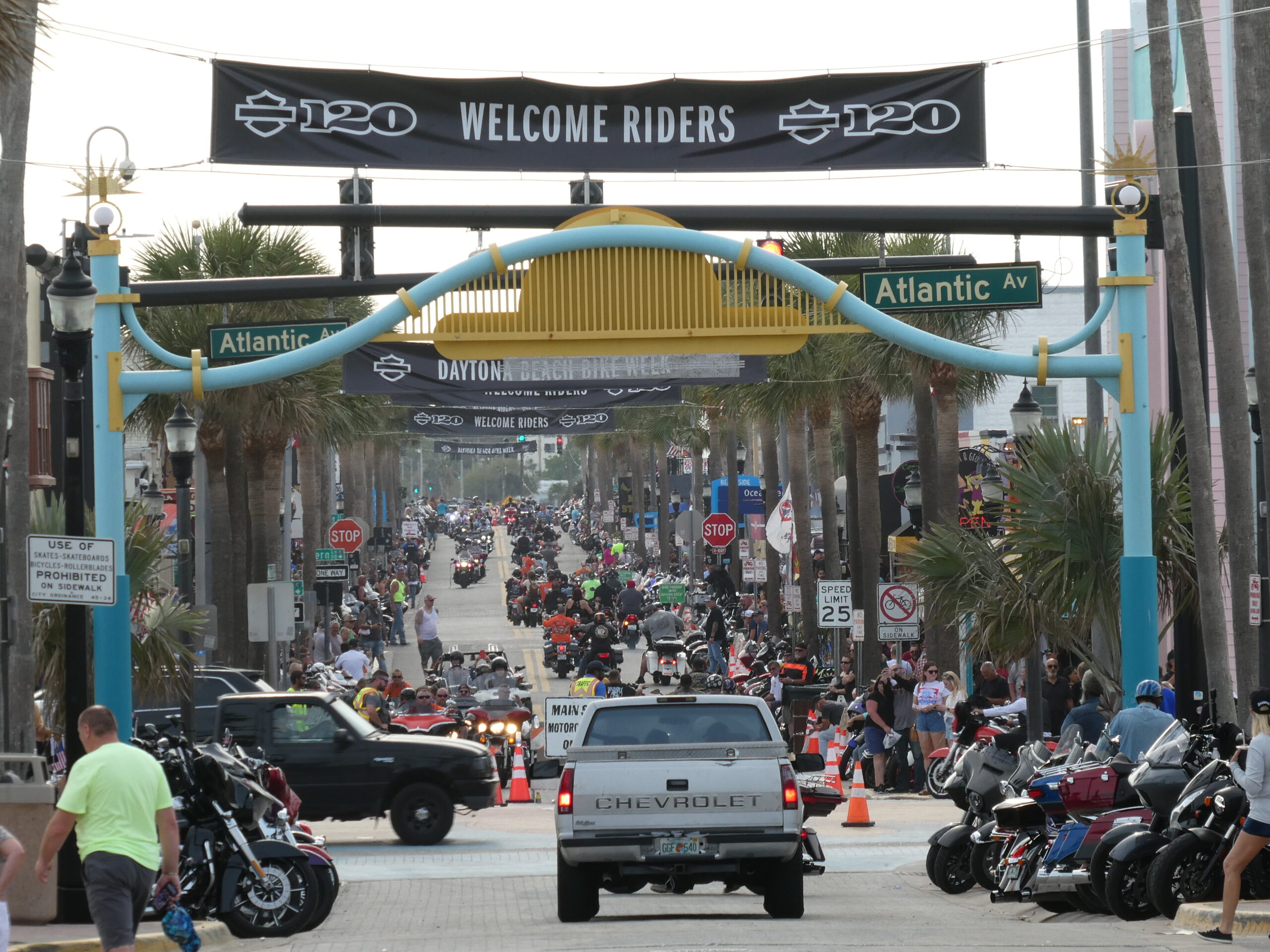
What if the most audacious dreams of motorcycle artisans could be judged not just by their craftsmanship, but by the sheer audacity of their riders’ poses? Daytona Bike Week’s Chopper Bike Custom Competition isn’t just a showcase of metal and muscle—it’s a gladiatorial arena where builders and riders collide in a symphony of chrome, leather, and rebellion. Every year, the event transforms Daytona Beach into a canvas of mechanical artistry, where the line between machine and myth blurs under the Florida sun. But this year, the stakes feel higher. The question lingers: Can a chopper’s soul truly be captured in a single frame, or does the rider’s pose steal the spotlight?
The Evolution of Chopper Culture: From Rebellion to Reverence
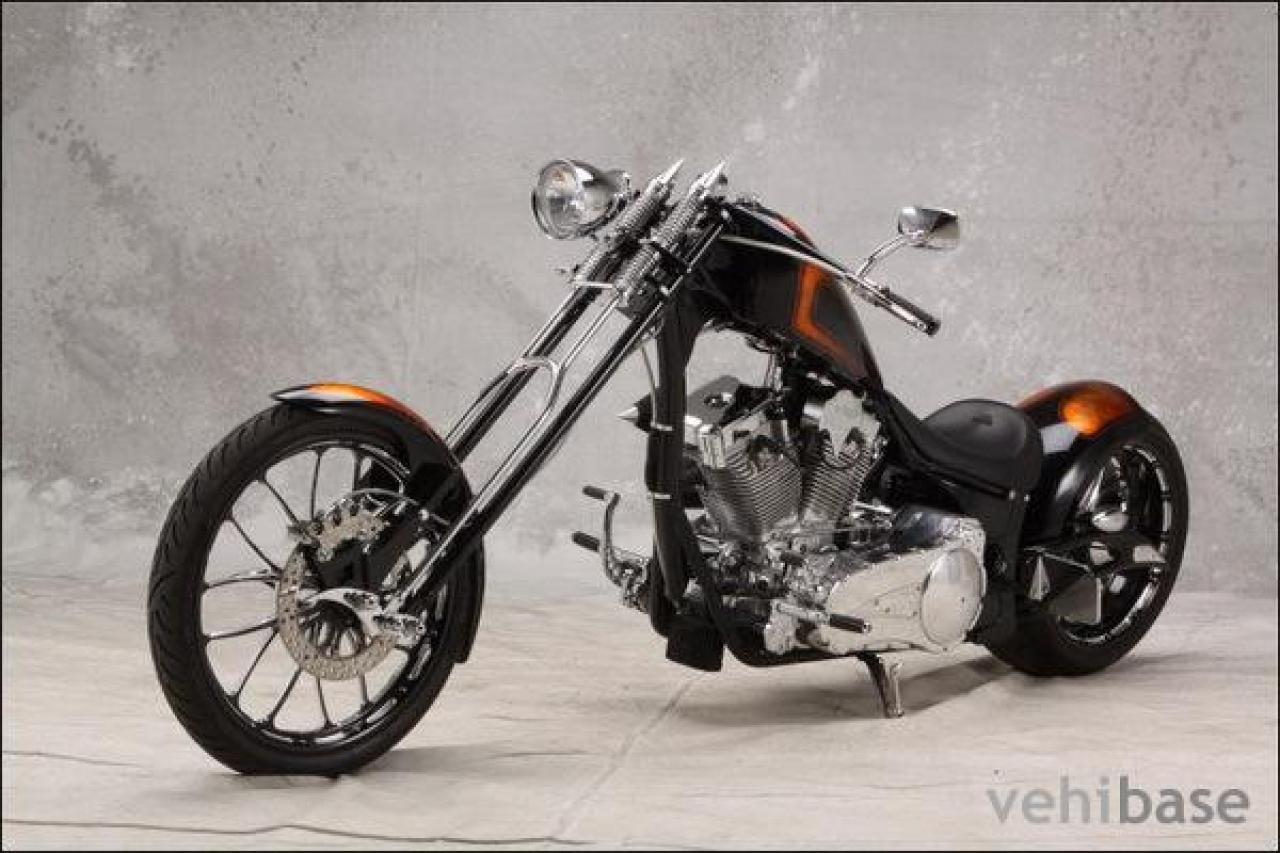
Choppers have always been more than just motorcycles—they’re rolling manifestos of individuality. Born from the defiant spirit of 1950s greasers and the outlaw biker ethos, these machines evolved from stripped-down, no-frills rides into elaborate, sculptural statements. Daytona Bike Week’s Chopper Competition stands as a testament to this evolution, where builders push the boundaries of engineering and aesthetics. This year’s entries didn’t just follow tradition; they redefined it. Imagine a frame so elongated it defies physics, or a front end so raked it seems to defy gravity itself. These aren’t just bikes; they’re kinetic sculptures designed to make jaws drop and cameras flash.
The competition’s judges don’t just scrutinize welds and paint—they dissect the very essence of the chopper’s identity. Is the rake aggressive enough to evoke a sense of controlled chaos? Does the stretched frame whisper tales of open highways and endless horizons? The answers lie not just in the metal, but in the rider’s ability to embody the machine’s spirit. This year, the competition introduced a wildcard category: “Most Dramatic Rider Pose.” Suddenly, the spotlight wasn’t just on the bike—it was on the rider’s ability to sell the illusion of raw power and unbridled freedom.
The Pose Paradox: When the Rider Becomes the Art
Here’s where things get deliciously complicated. A chopper is, at its core, a collaboration between builder and rider. But what happens when the rider’s pose eclipses the bike’s design? The judges faced a conundrum: Do they reward the bike for its engineering brilliance, or the rider for their theatrical flair? The answer, as it turns out, is both—and neither. The competition’s new judging criteria forced participants to confront a challenge they hadn’t anticipated: How do you make a static machine feel alive?
Take, for instance, the reigning champion of dramatic poses—a rider perched atop a chopper with a 60-degree rake, one hand gripping the ape hanger bars while the other rests casually on their hip. The bike itself was a marvel: a twin-engine beast with a frame so elongated it seemed to stretch into infinity. But it was the rider’s pose that stole the show—a frozen moment of rebellion, as if they were about to leap off the bike mid-ride and challenge the horizon itself. The judges awarded them top marks not just for the bike’s design, but for the rider’s ability to transform a static display into a narrative of defiance.
This raises a provocative question: Is a chopper’s true artistry revealed in its lines and curves, or in the rider’s ability to animate it? The competition’s wildcard category proved that the two are inseparable. A bike without a rider is a sculpture; a rider without a bike is just a person in leather. Together, they become something mythic.
The Judges’ Dilemma: Beauty vs. Beast
The judging panel, a mix of legendary builders, motorcycle journalists, and industry insiders, found themselves locked in heated debates. One faction argued that the bike’s design should take precedence—after all, it’s the builder’s vision that sets the chopper apart. Another faction insisted that the rider’s pose was the final, crucial brushstroke in the masterpiece. The compromise? A dual scoring system, where bikes were judged on craftsmanship and innovation, while riders were evaluated on their ability to embody the machine’s soul.
Consider the case of a custom chopper with a frame so intricately welded it looked like lace frozen in time. The builder had spent months perfecting every curve, every weld, every inch of chrome. But the rider? They stood beside it, arms crossed, exuding an air of quiet confidence. The judges awarded the bike a near-perfect score for its artistry—but docked points for the rider’s lackluster pose. The message was clear: A chopper’s true power lies in its partnership with the rider.
This year’s competition also introduced a new twist: a “Fan Favorite” award, voted on by the public. The winner? A chopper with a frame so aggressively stretched it seemed to defy the laws of physics, paired with a rider in a full leather suit, crouched low over the tank as if bracing for a drag race. The fans didn’t just vote for the bike—they voted for the moment. It was a reminder that chopper culture isn’t just about the machines; it’s about the stories they tell.
The Unspoken Challenge: Can You Ride What You Build?
But here’s the kicker: How many of these masterpieces are actually meant to be ridden? Daytona Bike Week’s Chopper Competition is, at its heart, a celebration of the unrideable—the impractical, the extravagant, the downright absurd. These bikes are built to turn heads, not to conquer highways. Yet, the judges couldn’t help but wonder: What if the ultimate test of a chopper’s worth was its drivability?
Imagine a chopper with a 72-inch wheelbase, a 250-degree rake, and a seat so low it forces the rider into a near-fetal position. It’s a masterpiece of engineering—but try taking it for a spin around the block. The answer, of course, is that it’s impossible. These bikes are designed to be admired, not ridden. They’re the mechanical equivalent of a Fabergé egg—beautiful, intricate, and utterly impractical. And yet, that’s what makes them so compelling. They exist in a realm where function takes a backseat to form, where the journey is less important than the destination of awe.
The competition’s wildcard category forced builders to confront this paradox head-on. Could they design a chopper that was both a work of art and a rideable machine? The answer, for some, was a resounding yes. One entrant brought a chopper with a 60-inch wheelbase and a rake that was aggressive but manageable. The rider’s pose? Effortless, as if they were born to straddle the machine. The judges awarded them top marks—not just for the bike’s design, but for proving that even the most extravagant choppers could still find a way to the open road.
The Legacy of Daytona’s Chopper Competition
As the sun set over Daytona Beach, the echoes of revving engines and clinking beer bottles faded into the night. But the memories of this year’s Chopper Competition lingered. It wasn’t just another year of judging bikes—it was a year of redefining what a chopper could be. The wildcard category proved that the artistry of these machines isn’t confined to their frames; it’s in the partnership between builder and rider, in the poses that turn static displays into living legends.
The question now lingers: What’s next for chopper culture? Will future competitions push the boundaries even further, introducing categories that challenge builders to create choppers that are as rideable as they are stunning? Or will the focus remain on the dramatic, the extravagant, the downright impossible? One thing is certain: Daytona Bike Week’s Chopper Competition will continue to be the proving ground for the wildest, most audacious dreams of motorcycle artisans. And as long as there are builders willing to push the limits and riders willing to embody the spirit of rebellion, the legacy will live on.
The road ahead is wide open. The question is: Are you ready to ride it?