When a storied marque like Harley-Davidson marks a monumental milestone, the unveiling of commemorative machines inevitably stokes the fires of debate among enthusiasts and collectors alike. The Harley 120th Anniversary bikes, launched to celebrate over a century of motorcycling heritage, embody more than just a nod to the past—they provoke a deeper inquiry into the value, significance, and future allure of collectible motorcycles. Are these limited-edition machines destined to become cherished artifacts of Americana, or are they transient symbols inflated by marketing fervor? This question invites a shift in perspective—a reassessment beyond surface allure into the complex interplay between legacy, craftsmanship, and market perception.
The sheer occasion of Harley-Davidson’s 120th anniversary offers a rare opportunity to reflect on the evolution of a brand synonymous with rugged individualism and timeless design. The anniversary bikes encapsulate this ethos, integrating retro styling cues with modern engineering refinements. Such motorcycles are often envisioned as tangible links bridging generations of riders. However, their true value hinges not merely on historical homage but on how successfully they marry nostalgia with contemporary relevance.
One cannot ignore the evocative power of exclusivity. Harley-Davidson’s anniversary editions are produced in finite quantities, adorned with unique badging, bespoke paint schemes, and high-end components that distinguish them from standard models. In an age where scarcity can transform a motorcycle into a coveted collectible, these features amplify desirability. Yet exclusivity alone does not guarantee lasting legacy. The collector’s market, influenced by factors spanning from provenance and condition to cultural impact, is notoriously unpredictable.
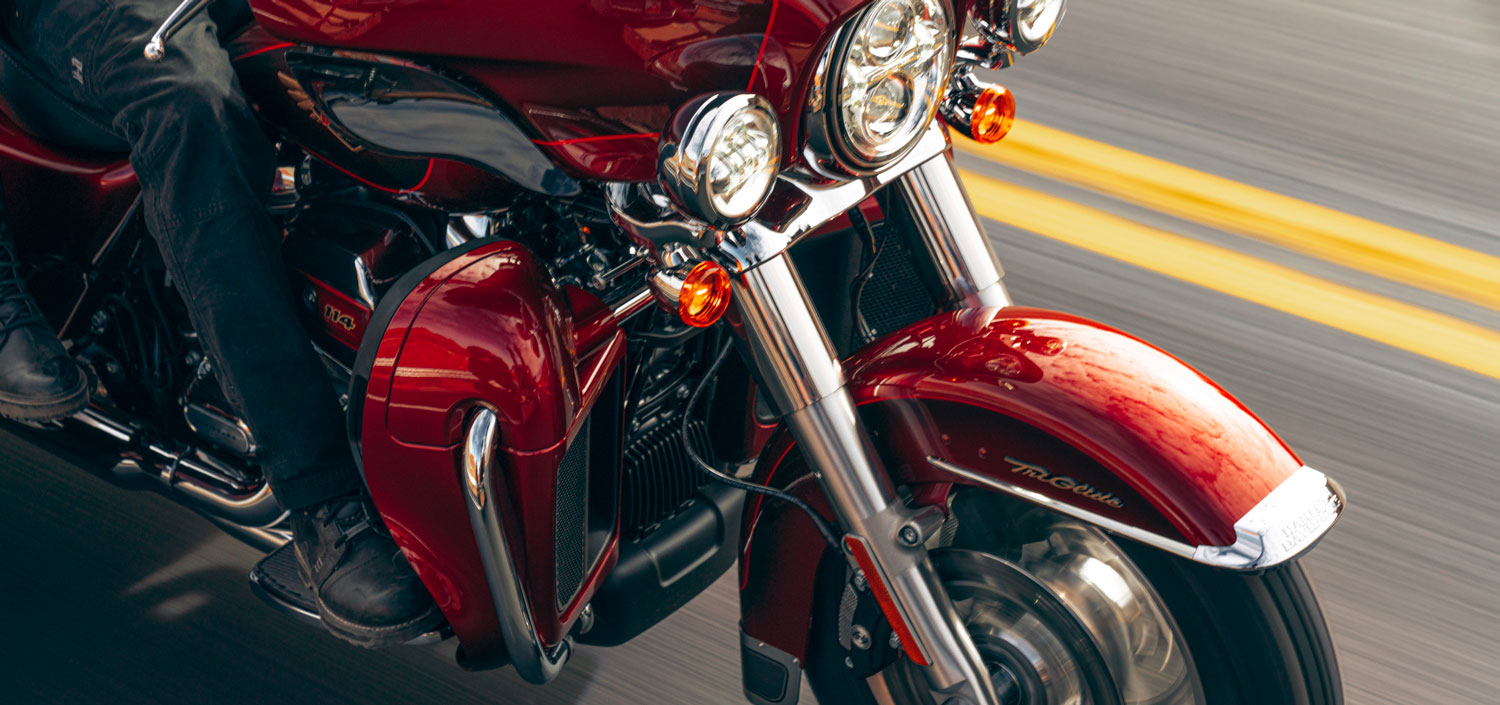
Delving into the aesthetic vernacular of the Harley 120th Anniversary bikes reveals an intentional reverence for the brand’s iconography. Glossy finishes emblazoned with commemorative emblems, intricate pinstriping, and period-inspired details evoke a sense of artistry often absent in mass-produced motorcycles. This meticulous attention to design resonates with aficionados who perceive motorcycles not just as vehicles, but as expressions of identity and craftsmanship. It raises the question: does this celebration of style elevate the motorcycle to a piece of rolling art, thus boosting its collector appeal beyond functional considerations?
Yet, juxtaposed with artistry is the pressing question of technological substance. These anniversary editions showcase advancements in Harley-Davidson’s engineering, including refined powertrains, enhanced suspension systems, and improved rider ergonomics. This progression ensures that while the bikes pay homage to their forebears, they do not sacrifice the contemporary standards of performance and safety. For the discerning collector, a blend of aesthetic allure and mechanical competence enhances desirability. The motorcycle must perform convincingly in the here and now, lest it become trapped in mere sentimentality.
However, the specter of hype cannot be dismissed. Marketing campaigns surrounding such landmark releases often amplify demand, propelled by evocative storytelling that tugs at the heartstrings of brand loyalists. The anticipation fueled by exclusive reveal events and limited availability can catalyze impulsive buying behavior. It begs a critical introspection: are buyers drawn by informed appreciation or swept along by a wave of emotional exuberance? If the latter, there is a risk that these motorcycles may suffer depreciation once the initial fervor fades, relegating them to the murky waters where hype overshadows intrinsic value.
The dynamics of the broader collector motorcycle market illuminate another facet of this discourse. Historically, value appreciation has hinged on a delicate blend of rarity, condition, provenance, and cultural significance. The Harley 120th Anniversary models, while rare, face stiff competition from vintage Harleys with storied race histories or landmark technological firsts. In contrast, anniversary bikes often lack direct competitive lineage or racing pedigree, factors that seasoned collectors weigh heavily. Does this place the 120th editions in a precarious position—esteemed but not exalted? This nuanced positioning requires prospective collectors to contemplate long-term investment versus immediate enjoyment.
Community sentiment also plays a pivotal role in the enduring allure of these motorcycles. Harley-Davidson is not merely a manufacturer but a culture, a lifestyle torrent intertwined with camaraderie and shared experiences. Anniversary models often catalyze celebrations that forge stronger bonds within this community, enhancing intangible value. Ownership thus transcends possession—it becomes participation in a living legacy. This cultural capital imparted by the 120th anniversary releases fosters an intangible magnetism, often underappreciated in conventional valuation metrics.
Moreover, these motorcycles challenge traditional views on what constitutes a collectible. They straddle the domain between vintage memorabilia and cutting-edge machinery. This duality redefines collector sensibilities, asking if modern manufactured rarity, steeped in heritage, can coexist with the authentic aura of aged classics. Are collectors prepared to embrace this paradigm shift, valuing contemporary anniversaries with the same reverence traditionally reserved for aged icons? The answer to this question could shape the trajectory of Harley-Davidson’s legacy for decades to come.
In considering the Harley 120th Anniversary bikes, one confronts a fascinating juxtaposition of nostalgia, craftsmanship, exclusivity, and commercial strategy. They are neither mere commemoratives nor infallible investments, but complex artifacts imbued with cultural resonance and mechanical prowess. Whether they ultimately dominate collector dreams or succumb to transient hype depends largely on evolving perception—by collectors, riders, and cultural commentators alike.
Ultimately, these motorcycles invite us to reconsider our relationship to objects of passion and memory. They prompt a probing inquiry into what elevates a piece of metal and rubber beyond transportation—into the realm of legend. As time unfolds, the Harley 120th Anniversary lineup may well emerge as a touchstone for how modern identities and historical reverence can intertwine. Until then, they occupy a liminal space, beckoning both admiration and scrutiny, their true legacy yet to be written.