Harley-Davidson, an emblem of American motorcycling since 1903, has embarked on an ambitious global platform strategy that could redefine its legacy. With the launch of the Pan America and the anticipated Bronx, the brand is not just appealing to traditionalists but also courting a new generation of riders. But as the motorcycle industry evolves, can these models successfully bridge the gap between heritage and modernity? This article explores Harley-Davidson’s strategic maneuvering, examining the Pan America, the forthcoming Bronx, and what they signify for the future.
1. The Vision Behind the Global Platform Strategy
Harley-Davidson’s global platform strategy aims to standardize certain components across diverse models to enhance efficiency and reduce production costs. This approach not only streamlines manufacturing but also allows for faster innovation cycles. Amidst growing competition from both established brands and startups, the need for agility in adapting to market trends is paramount. Why is this critical? Because the motorcycle landscape is evolving rapidly, with consumers seeking versatility, reliability, and cutting-edge technology.
2. Introducing the Pan America: A New Frontier
The Pan America 1250 is Harley-Davidson’s foray into the adventure touring segment, a genre that has gained immense traction among riders seeking multifunctionality. This motorcycle showcases a distinctive and robust design, complete with a powerful Revolution Max engine, which not only delivers ample torque but also enhances performance across diverse terrains. Moreover, the Pan America is replete with top-tier technology—think adaptive ride height and semi-active suspension—that elevates the riding experience. Could the Pan America be the model that redefines Harley’s reputation among adventurous spirits?
3. The Bronx: Cultivating Urban Appeal
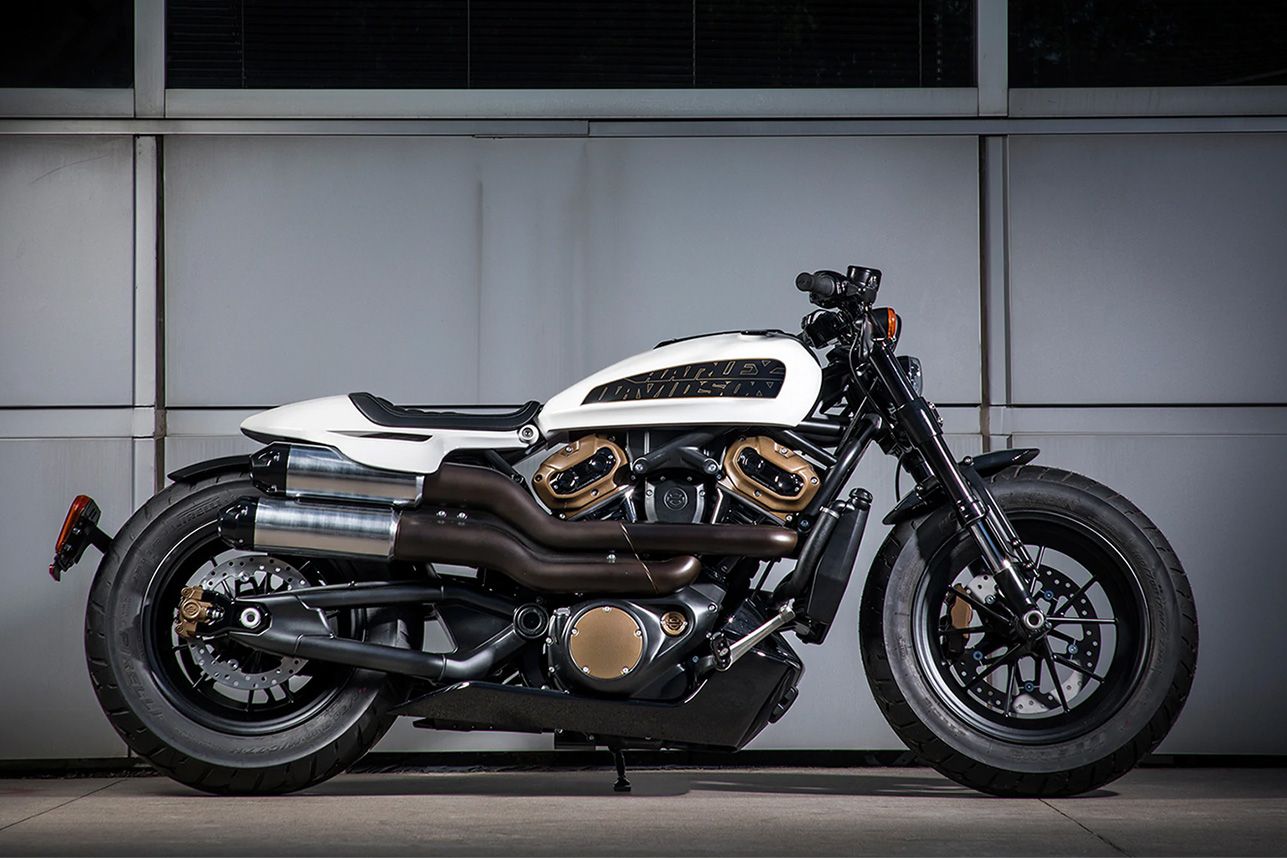
On the horizon lies the Bronx, a model designed to cater to the urban commuter craving agility and style. Projected as a streetfighter, the Bronx aims to harmonize raw power with nimble handling, employing a similar powertrain to the Pan America. Its sleek, aggressive design targets a younger demographic that prioritizes urban riding aesthetics. Will this strategic pivot resonate with city dwellers who are just beginning to explore the thrill of motorcycling?
4. Fostering Community: Engaging the Next Generation
Another facet of Harley-Davidson’s strategy is community engagement. The company has broadened its marketing efforts to include digital platforms and events that appeal to a younger audience. Initiatives like the H-D MotoMentor program and various riding academies aim to demystify the motorcycling experience and encourage inclusivity. By cultivating a robust riding community, Harley hopes to forge enduring connections with potential clients. But will these efforts be sufficient to attract and sustain interest among millennials and Gen Z consumers?
5. Navigating the Electric Revolution
In parallel with combustion engines, Harley-Davidson is not blind to the impending electric future. The LiveWire represents the brand’s initial foray into electrification, marking a shift toward sustainable riding. Harley’s strategy involves blending the ethos of traditional riding with innovative electric technology, ensuring they do not alienate their core customers. However, will the dedicated Harley aficionados embrace electric models, or will this endeavor be perceived as a radical departure?
6. Global Market Dynamics: Localization and Adaptability
As Harley-Davidson expands its footprint globally, it faces the challenge of localization. Markets in Europe, Asia, and South America exhibit differing consumer behaviors and preferences. The North American market, steeped in the lore of cruising and touring, contrasts sharply with the compact, agile preference of urban Asian riders. Customizing offerings based on regional demographics could be the key to global success, but is Harley prepared to navigate such nuanced landscapes?
7. Facing Competition: The Battle for Relevance
The motorcycle market is densely populated, with fierce competition from brands like Honda, Yamaha, and emerging electric manufacturers such as Zero and Energica. Harley must maintain relevance by delivering innovations that resonate with a broader audience while preserving its heritage. The challenge lies in balancing this duality without alienating loyalists. Does Harley-Davidson have the fortitude to evolve while staying true to its roots?
8. Future Trajectories: Sustainability and Innovation
The horizon holds promises of further developments, including enhanced sustainability measures in production and supply chain practices. Harley has committed to reducing its carbon footprint and is exploring alternative materials and manufacturing processes. How far can the brand go in aligning its operations with global sustainability goals while maintaining its identity? As the world collectively shifts toward eco-conscious practices, Harley’s adaptability will be scrutinized.
Conclusion: Balancing Act of Past and Present
Harley-Davidson’s global platform strategy embodies a bold spirit of innovation that stands on the shoulders of its storied past. The Pan America and Bronx are not just new models; they symbolize an attempt to navigate an intricate landscape of changing consumer preferences and competitive pressures. Yet, as it challenges itself to keep pace with modern demands, will Harley-Davidson emerge as a trailblazer, or will it falter beneath the weight of expectations? Only time will reveal the trajectory of this iconic brand as it rides into an uncertain, yet exhilarating future.