At first glance, the Honda Mini Trail 50 and Trail 70 might strike the casual observer as mere diminutive playthings—a couple of minuscule motorcycles designed with children in mind. However, these compact marvels transcend their petite frames and junior-friendly ergonomics, weaving an intricate tapestry of legacy, innovation, and cultural significance that reverberates far beyond their size. Beneath their unassuming exteriors lies a compelling narrative of ingenuity, pioneering spirit, and the birth of a new recreational ethos that forever shifted the landscape of motorcycling.
The Honda Mini Trail series, beginning with the diminutive yet robust CT70 and the trailblazing CT50, inaugurated a novel category often affectionately dubbed “monkey bikes” or “mini trails.” Their genesis dates back to the late 1960s and early 1970s, a period flush with burgeoning suburban landscapes, expanding youth culture, and an appetite for accessible, affordable forms of recreation. It was during this epoch that Honda discerned a latent demand—not merely for diminutive motorcycles that could navigate tight spaces and wooded paths but for machines that could serve as gateways, introducing novices and young riders to the intoxicating world of motorcycling.
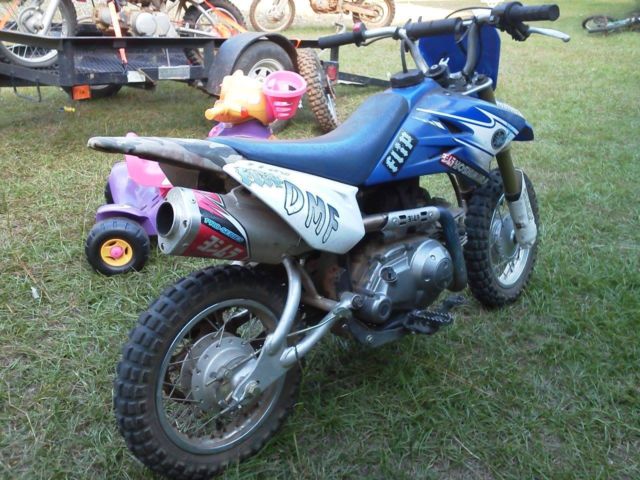
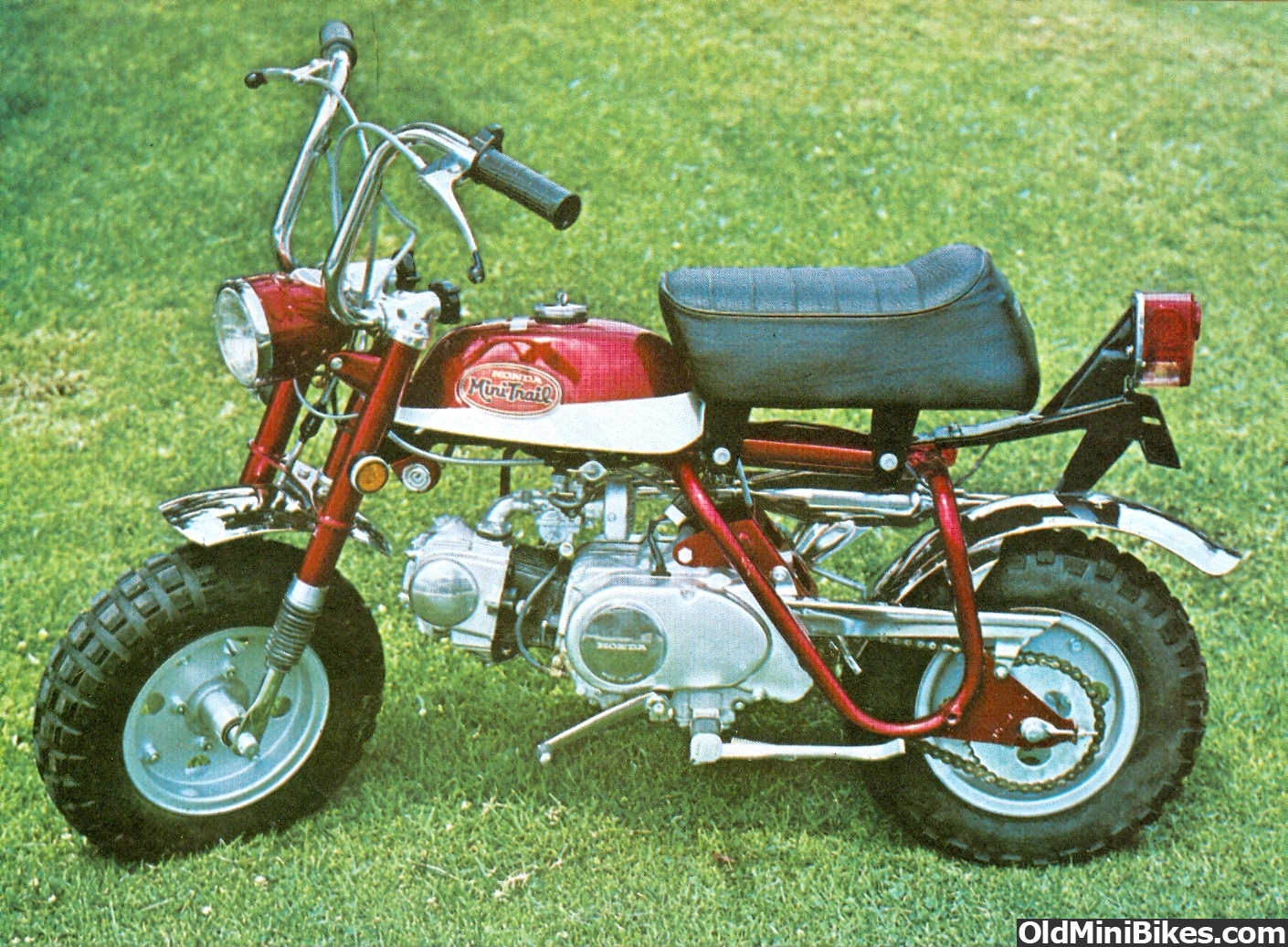
The Mini Trail 50, specifically, embodied this ethos with its modest 49cc air-cooled four-stroke engine, a paragon of reliability and simplicity. Unlike typical motorcycles that often intimidate with their complexity and size, the Mini Trail 50 was disarmingly approachable, exuding an almost egalitarian charm. Its undemanding controls, low seat height, and light chassis invited exploration rather than trepidation—the perfect tool for both budding enthusiasts and practical commuters who found themselves traversing campgrounds, farms, or suburban backyards. In essence, the Mini Trail 50 was more than just a bike; it was an invitation to freedom, a compact locomotive that promised adventures just a throttle twist away.
Similarly, the subsequent Trail 70 model escalated this promise by combining incremental performance enhancements with enduring design philosophies. Sporting a slightly larger 72cc engine, the CT70 maintained the hallmark features that endeared the Mini Trail 50 to its audience—sturdy steel frame, foldable handlebars for compact storage, and rugged tires capable of conquering uneven terrain with aplomb. This bike was not merely a trivial upgrade; it was a subtle reimagining that accentuated versatility and youthful exuberance. The Trail 70’s aesthetic appeal, intertwined with its functional prowess, cemented its status as an icon of the era, captivating riders who craved a machine that was as fun as it was dependable.
Beyond mechanical specifications, these mini trails introduced a philosophical shift in motorcycling culture. Traditionally, motorcycles had been perceived as large, powerful, and intimidating machines—emblems of speed and freedom, yes, but also exclusive realms suited predominantly for adults steeped in a culture of expertise and risk. The advent of the Mini Trail series challenged this paradigm, democratizing motorcycling and rendering it accessible to new demographics, including children, hobbyists, and casual riders. This recalibration of perspective forged a new path where the essence of riding—joy, exploration, and connection with the outdoors—was distilled into its purest, most intimate form.
The implications of these bikes reverberate through Honda’s sustained legacy. They spawned a dedicated following, with owners across generations fostering a vibrant community of enthusiasts who cherish these machines for their nostalgia and enduring utility. Restoration projects, vintage showcases, and dedicated forums bear witness to the Mini Trail 50 and Trail 70’s indelible impact. They are celebrated not just as relics of a bygone era but as living embodiments of a time-honored tradition that melds engineering excellence with heartfelt human experience.
Delving deeper, the design and engineering ethos behind these mini trail bikes revealed Honda’s uncanny prescience. The compact, foldable, and transportable dimensions of the Trail 70, for instance, anticipated modern trends in urban mobility and minimalist design that many manufacturers would only embrace decades later. Their fuel-efficient engines, rugged frames, and user-friendly mechanics encapsulate an eco-conscious and practical mindset long before “green mobility” entered mainstream lexicon. Such attributes elevate these motorcycles beyond their nostalgic veneer into the realm of timeless engineering triumphs.
What, then, accounts for the enduring enchantment these miniature marvels command? Partly, it is the intimate relationship they establish between rider and machine—a tactile dialogue defined by simplicity and direct feedback, in stark contrast to the often digitalized and over-engineered motorcycles prevalent today. They amplify the raw pleasures of motorcycling: the tactile hum of the engine, the nimbleness in navigating challenging paths, and the simple exhilaration of motion. This stripped-down purity creates a poignant counterpoint to the complexities and distractions of modern life.
Moreover, the cultural resonance of the Honda Mini Trail 50 and Trail 70 extends into their symbolic stature. They represent youthful aspiration, the joys of discovery, and the universal allure of adventure in manageable, digestible portions. They are emblematic of an era that embraced innovation with a human-centered approach, reminding us that sometimes, monumental cultural shifts begin with modest beginnings. Their diminutive frames belie their outsized influence—these tiny bikes harbor a legacy that continues to inspire, connect, and enthrall riders and collectors around the globe.
In summation, the Honda Mini Trail 50 and Trail 70 encapsulate a compelling synthesis of engineering ingenuity, cultural transformation, and unadulterated fun. These compact machines revolutionized our perceptions—proving that size need not dictate significance, nor simplicity diminish impact. As enduring icons, they beckon us to reconsider our relationship with mobility, adventure, and heritage itself. To ride one is not simply to operate a miniature motorcycle; it is to partake in a storied legacy, to embrace the ephemeral joy of youthful exploration, and to celebrate the profound undercurrents hidden beneath the surface of these tiny but mighty trailblazers.