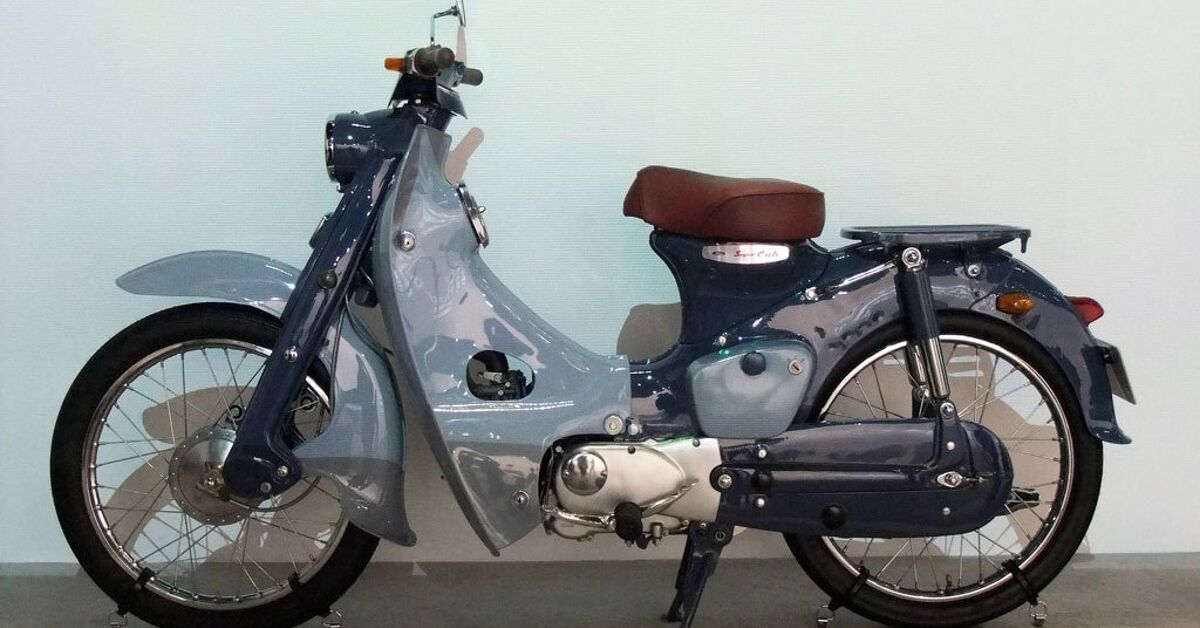
In an industry that thrives on innovation and competition, Honda has achieved a remarkable feat: the production of its 300 millionth motorcycle. This monumental milestone not only underscores Honda’s long-standing commitment to excellence but also serves as a testament to its enduring influence in the realm of two-wheeled transport. When we consider the sheer volume of motorcycles that Honda has manufactured over the past several decades, one must ask: what does it take to produce 300 million units? Furthermore, in a world increasingly dominated by electric vehicles and advanced technologies, what challenges lie ahead for Honda in sustaining such impressive production levels?
Honda’s journey towards this extraordinary milestone began in 1949 with the introduction of the Dream D model. This pioneering motorcycle set the stage for what would become a legendary portfolio of motorbikes, each contributing to the company’s staggering cumulative total. The ascension from humble beginnings to a global titan denotes not just advancements in engineering but also an evolving understanding of consumer desires.
The production of 300 million motorcycles signifies more than just a number; it encapsulates the brand’s rich history of innovation. Honda’s motorcycles have played pivotal roles in various arenas, from motorsports to daily commuting, making them quintessential in shaping motorcycle culture worldwide. Its dedication to crafting machines that harmonize performance and practicality has fueled a devoted following among riders of all types.
As we explore the landscape of Honda’s motorcycle production, we must first consider the advanced manufacturing techniques that have propelled the company forward. The integration of automated processes and robotics in assembly lines has fundamentally transformed the way motorcycles are produced. These technological innovations ensure precision engineering, allowing for faster production times without compromising quality. Additionally, the adoption of lean manufacturing principles has facilitated a reduction in waste, streamlining operations and boosting productivity.
Intriguingly, Honda has also invested significantly in research and development. The company continually seeks to harness emerging technologies such as artificial intelligence and big data to refine its design processes. By analyzing consumer feedback and market trends, Honda can identify new opportunities for innovation that align with the evolving tastes and needs of riders. Creative engineering and bold experimentation have resulted in iconic models that resonate with enthusiasts and casual riders alike.
While Honda has secured its place in motorcycle manufacturing history, it cannot rest on its laurels. The move towards sustainability is more than a trend; it is a necessity that companies worldwide must embrace. With the global shift towards electric mobility, Honda faces the pivotal challenge of adapting its manufacturing practices to accommodate a new generation of eco-friendly vehicles. As regulations tighten around emissions and environmental impact, the importance of producing electric motorcycles cannot be overlooked.
Notably, Honda has undertaken initiatives to diversify its portfolio, venturing into electric models like the Honda e, which cleverly juxtaposes classic motorcycle designs with cutting-edge technology. However, these ambitious efforts must coexist with traditional gasoline-powered motorcycles that still enjoy considerable market demand. The question remains: can Honda effectively balance innovation with nostalgia while ensuring that the essence of the brand remains intact?
Moreover, the global market fluctuates with shifting consumer preferences. Emerging economies show a growing appetite for motorcycles, especially in Asia, where affordability and mobility remain key factors. As such, Honda must navigate a labyrinth of varying regulations, economic climates, and consumer behaviors in different regions. Ensuring competitiveness requires not only agile manufacturing practices but also culturally relevant marketing strategies that resonate with diverse audiences.
One cannot overlook the impact of the digital revolution on Honda’s operations as well. As e-commerce expands, consumer purchasing behavior is evolving. Riders are increasingly inclined to pursue online options when it comes to buying motorcycles and accessories. Consequently, Honda must integrate digital channels into its marketing and customer engagement strategies. This includes utilizing social media to foster community and brand loyalty among motorcycle enthusiasts.
As we look to the future, Honda’s 300 millionth motorcycle serves as both a celebration of achievement and a precursor to the challenges and opportunities that lie ahead. The call for sustainability, the necessity for adaptability, and the continuous pursuit of innovation underscore the dynamic nature of the motorcycle industry. With a legacy of reshaping transportation, Honda stands poised to lead the charge into a new era of motoring—where performance meets eco-conscious innovation.
In conclusion, Honda’s journey to producing its 300 millionth motorcycle is not merely a statistic; it is a narrative rich with lessons of perseverance, adaptability, and vision. As the company embarks on this next chapter, the potential for revolutionizing the motorcycle landscape remains boundless. Will Honda’s innovative spirit continue to navigate the challenges ahead, propelling it towards even loftier heights? Only time will tell, but one thing is certain: the ride is far from over.