There’s a moment, when you’re cruising down an open road on a custom Harley chopper, that the machine doesn’t just feel like a vehicle—it feels like an extension of your spirit. Every hum of the engine, every vibration through the handlebars, every whisper of the wind against your leather jacket tells a story. But there’s one silent hero in that symphony: the belt drive system. It’s the unsung backbone of your chopper’s performance, the difference between a ride that glides like silk and one that groans like a tired beast. And here’s the kicker—most riders treat it like an afterthought. Until it starts slipping. Until it screams in protest. Until it leaves you stranded on the side of Route 66 with a wrench in your hand and a sinking feeling in your gut. That changes today. Because setting the belt tension on your custom Harley chopper isn’t just maintenance—it’s alchemy. It’s the difference between a chopper that feels alive and one that feels like it’s fighting you every mile. And we’re about to turn that dial from “just okay” to “holy hell, this thing purrs.”
The Silent Saboteur: Why Belt Tension is the Invisible Villain in Your Custom Ride
Imagine this: You’ve spent months, maybe years, hand-selecting every bolt, polishing every chrome surface, and dialing in the perfect exhaust note on your chopper. You’ve turned heads at bike nights. You’ve earned respect from purists and rebels alike. And then—one day—you notice it. A faint, rhythmic chirp from the belt. A slight drag when you roll off the throttle. A vibration that wasn’t there yesterday. At first, it’s subtle. A nuisance. But left unchecked, that tiny whisper grows into a full-blown rebellion. The belt starts slipping. The pulleys wear unevenly. The engine labors. And suddenly, your masterpiece feels like a machine on its last legs. That’s the insidious nature of poor belt tension—it doesn’t announce itself with fanfare. It creeps in like rust, undermining performance, draining power, and eroding the very soul of your build. Worse? It can destroy your investment. A stretched or misaligned belt doesn’t just affect ride quality—it can shred teeth, warp pulleys, and even damage the transmission. The lesson? Belt tension isn’t a chore. It’s a covenant. A promise you make to your chopper that you’ll honor the machine’s voice before it starts screaming.
Tools of the Trade: The Arsenal You Need to Tame the Beast
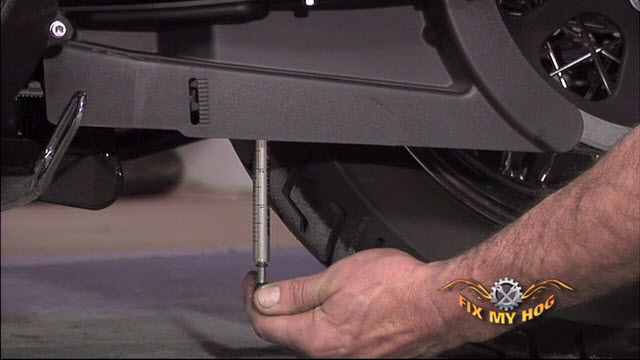
You wouldn’t bring a butter knife to a sword fight, and you shouldn’t bring guesswork to your belt tension setup. Precision is non-negotiable. Start with a belt deflection gauge—not a ruler, not a prayer, not a “close enough” estimate. This isn’t a suggestion; it’s your new best friend. Pair it with a laser alignment tool to ensure your primary and secondary pulleys are dead-center with each other. A feeler gauge set will help you check sprocket alignment down to the millimeter. And don’t forget a torque wrench—because over-tightening a belt is like choking a songbird. It might sound louder, but it’ll never sing right again. Oh, and one pro tip: Keep a belt dressing spray handy. Not for aesthetics—it reduces slippage and extends belt life by keeping the rubber supple. Assemble this kit like you’re preparing for war. Because in a way, you are.
The Golden Rule: How Much Tension is Just Right?
Here’s where most riders trip up. They yank the belt until it’s drum-tight, convinced that’s the secret to power. Wrong. A belt under excessive tension is a belt under duress. It strains the bearings, accelerates wear, and robs your engine of precious horsepower. So what’s the sweet spot? For most custom Harley choppers, the ideal deflection is 1/2 inch to 5/8 inch when pressed firmly midway between the pulleys. But here’s the twist: that measurement isn’t universal. A heavy chopper with a stretched belt? You might need more. A lightweight build with fresh components? Less. The key is consistency. Press the belt in the same spot every time. Use the same force. And above all—trust the gauge, not your gut. Your hands can lie. The gauge never will.
The Alignment Illusion: Why Parallel Pulleys Are Your Ride’s Best Friend
Ever seen a chopper where the belt rides unevenly, chewing through one side like a starving termite? That’s not bad luck. That’s misalignment. Even if your belt tension is perfect, if your pulleys aren’t parallel within 0.030 inches, you’re asking for trouble. Start by loosening the engine and transmission mounts. Use your laser tool to project a straight line from the front pulley to the rear. Adjust the mounts until both pulleys sit in the same plane. Then, double-check with a straightedge across the pulley faces. No gaps. No angles. Just pure, unbroken alignment. It’s tedious. It’s fiddly. It’s the kind of work that makes you question your life choices. But when you fire up the engine and the belt glides like a whisper, you’ll know it was worth every second.
The Ritual of Replacement: When to Say Goodbye to Your Belt
No belt lasts forever. Not even the premium ones. The question isn’t *if* you’ll replace yours—it’s *when*. Watch for these red flags: visible cracks, fraying edges, or a glossy sheen on the ribs—signs of heat damage. Measure the belt’s stretch with a tape measure against manufacturer specs. If it’s more than 3/8 inch over stock length, it’s time. And here’s a hard truth: if you’ve ridden the belt beyond its service life, you’ve likely damaged the pulleys too. Inspect them for uneven wear, chips, or a polished “mirror” finish on one side. If they’re compromised, replace them. It’s cheaper than rebuilding a transmission. Pro tip: Always replace the belt and pulleys together. Mixing old and new is like putting a Band-Aid on a broken bone—it might cover the wound, but it won’t fix the fracture.
The Final Symphony: Tuning Your Ride to Perfection
Once the belt is tensioned and aligned, the real magic begins. Fire up the engine. Listen. Not just to the sound, but to the *absence* of sound. A properly set belt should hum, not whine. It should transfer power smoothly, not jerk or slip. Take it for a test ride. Accelerate hard. Roll off the throttle. The belt should respond instantly, without hesitation. If it chatters, tighten slightly. If it feels sluggish, loosen. But don’t chase perfection in one ride. Ride it for a week. Let the belt bed in. Then recheck the tension. It will shift. That’s normal. The final adjustment is the one that makes it *yours*. And when you roll to a stop, kill the engine, and hear nothing but the faint ticking of cooling metal—you’ll know. You didn’t just set a belt. You tuned a soul.
This isn’t just about maintenance. It’s about mastery. It’s about respecting the machine that carries you through sunrise rides and midnight runs. It’s about ensuring that every twist of the throttle, every downshift, every mile is a testament to the care you’ve poured into your chopper. Belt tension isn’t a checkbox. It’s a ritual. And when done right, it transforms a machine into a legend.