The early 1990s stand as a pivotal era in the evolution of motorcycles—a period when design, technology, and cultural shifts converged to birth machines that continue to captivate enthusiasts and collectors alike. The motorcycles of this era are often hailed as some of the coolest ever produced, not merely for their engineering feats but for the aura they exuded. Observers frequently note the distinctive blend of aesthetics and performance that defined these bikes. However, beneath this apparent allure lies a deeper fascination—a confluence of innovation and identity that resonated with a generation eager for speed, style, and substance.
One cannot discuss the coolest motorcycles of the early 90s without acknowledging the radical shifts in design ethos that challenged conventions established in earlier decades. Unlike the bulky, utilitarian motorcycles of the 70s and early 80s, bikes in the 90s embraced a sleeker, more aerodynamic profile. Manufacturers, motivated by advances in materials science and engineering, adopted lightweight alloys and innovative frame geometries. This transition not only enhanced speed and agility but also allowed for a visual language where form followed function in striking ways. The effect was machines that appeared as much art as engineering marvels.
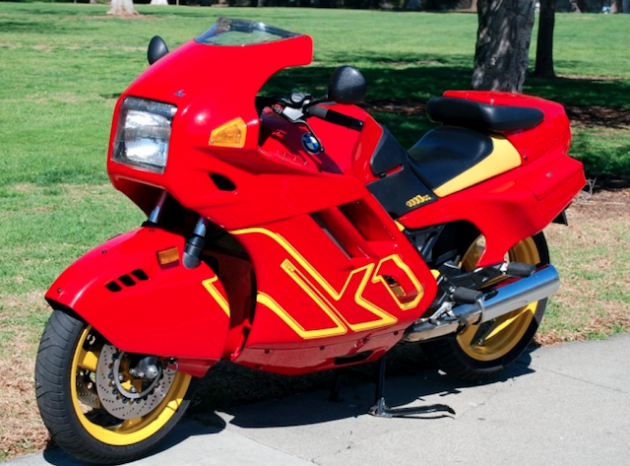
Among these revered motorcycles, the BMW K1 demands special mention. Its introduction was nothing short of revolutionary, combining bold aesthetics with cutting-edge technology. The K1’s full fairing—an extensive plastic bodywork—was designed to minimize drag, a significant departure from traditional naked bike designs. Its vivid color schemes and angular lines sparked immediate fascination. This motorcycle was more than just a tool for transportation; it was a statement piece that encapsulated the era’s penchant for daring innovation.
The underlying intrigue with these motorcycles often stems from their ability to bridge two seemingly disparate worlds: the mechanical precision of engineering and the emotive appeal of culture. Early 90s motorcycles were not just vehicles; they were symbols of freedom, rebellion, and a meticulous pursuit of excellence. Riders gravitated not only toward the mechanical performance but also toward the identity that came with piloting these machines. The motorcycles served as extensions of personality, reflecting a rider’s desire to push boundaries both on the road and in society.
Technological advancements played an essential role in defining the coolness factor of early 90s motorcycles. Fuel injection systems began supplanting traditional carburetors, offering improved efficiency and smoother throttle response. Anti-lock braking systems (ABS) started to make their debut on select models, a harbinger of safety improvements that would become industry standards in later years. Suspension technology also saw significant enhancement, with adjustable dampers providing riders unprecedented customization to suit their riding style. These innovations were not just incremental upgrades; they represented a paradigm shift that enriched the riding experience in tangible ways.
Yet, beyond technology and design, the very character of these motorcycles was colored by the cultural zeitgeist of the early 90s. This was a time when the motorcycle lifestyle was intertwined with music, fashion, and a burgeoning global community of enthusiasts. The gritty, rebellious spirit of motorcycle subcultures found new expression in the integration of urban aesthetics with modern engineering. Bikes became canvases for self-expression, adorned with personalized modifications and paint jobs that echoed the sentiments of their owners. This cultural synergy imbued the motorcycles with a timeless appeal, an intangible coolness that transcended their physical attributes.
Moreover, the performance capabilities of early 90s motorcycles were nothing short of exhilarating. The advent of powerful inline-four engines, coupled with advancements in chassis dynamics, delivered lightning-fast acceleration and razor-sharp handling. Motorcycles like the Yamaha FZR1000, Honda CBR900RR Fireblade, and Suzuki GSX-R750 dominated both race tracks and streets alike, earning reputations as accessible superbikes that balanced raw power with everyday usability. The motorcycles of this period created a new benchmark for what it meant to be fast, agile, and reliable, inspiring countless riders to embrace two wheels with renewed passion.
There is an almost poetic quality to the way these motorcycles engaged the senses. The visceral sound of a finely tuned engine reverberating through city streets and winding country roads, the tactile feedback through the grips and pedals, the wind rushing past the rider as speed climbed—these experiences coalesced into a sensory symphony unmatched by any other mode of transportation. Such sensory engagement entrenched early 90s motorcycles deeply within the psyche of riders, creating memories and attachments that endure decades later.
Attention to detail further distinguishes the early 90s motorcycle cohort. From ergonomics thoughtfully calibrated to balance aggressive posture with rider comfort, to instrument clusters that combined analog charm with burgeoning digital precision, these motorcycles showed a keen understanding of rider needs. Every component, from the selection of materials to the layout of controls, was curated to enhance usability without compromising style. This attention to nuance underscored why these motorcycles continue to be venerated by aficionados and collectors—they embody a holistic approach to motorcycle craftsmanship.
In reflecting on the coolest motorcycles of the early 90s, it becomes clear that their enduring charm arises from a synthesis of innovation, culture, and emotion. They were, and remain, more than mere machines; they are artifacts of a transformative era in motorcycling history. These motorcycles challenge us to consider how technology can serve not only function but also identity. They remind us that the quest for speed is inextricably linked to the quest for self-discovery and expression.
As the motorcycle world evolves with electric powertrains and digital connectivity, it is worth revisiting the early 90s as a golden chapter. A time when motorcycles were bold, untamed, and imbued with character—a time when the thrill of the ride was matched by the elegance of design and the pulse of innovation. These motorcycles continue to inspire, beckoning new generations to appreciate a period when coolness was defined by a seamless fusion of art, technology, and human spirit. It is this alchemy that secures their place in the annals of motorcycling lore, forever cool, forever unforgettable.