In the realm of human innovation and mechanical mastery, few pursuits captivate the imagination quite like the quest for speed. Amongst the many vessels designed to defy inertia and challenge the limits of velocity, bicycles hold a unique position. Lightweight, elegant, and deceptively simple in form, the bicycle is emblematic of human ingenuity and endurance. Yet, lurking beneath its streamlined frame lies a world of extraordinary engineering feats, where the fastest bike in the world reigns supreme, promising not just a ride, but an unparalleled encounter with velocity itself.
To grasp the magnitude of this achievement, one must journey beyond the average road bike, beyond the familiar whirr of commuter cycles. The title of the fastest bike is bestowed upon machines that transcend conventional boundaries, crafted with precision and propelled by an intense understanding of aerodynamics, materials technology, and human physiology. These extraordinary bicycles are not mere sport equipment; they are cutting-edge prototypes and specialized track bikessculpted for the singular purpose of reaching breakneck speeds.
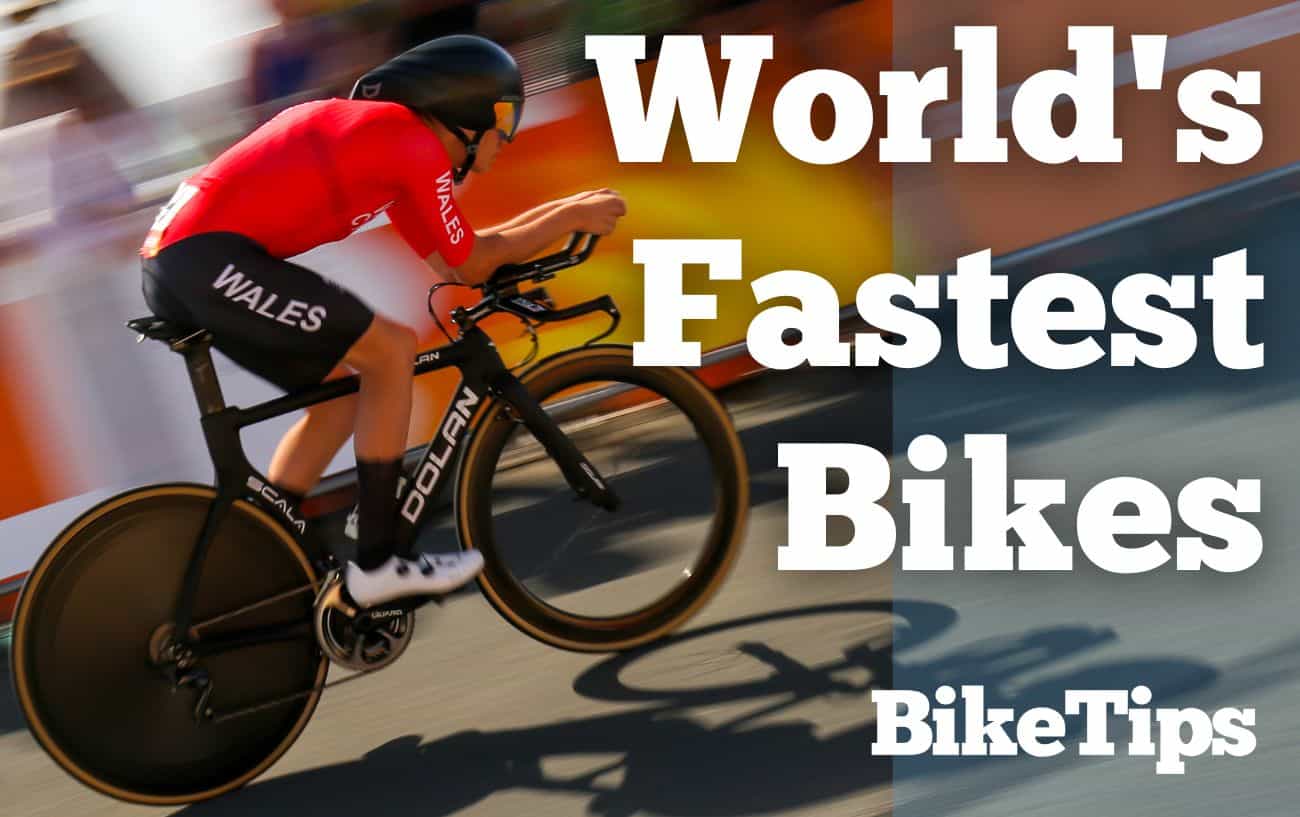
The fastest bike in the world, at its core, represents a pinnacle of lightweight construction married to aerodynamic perfection. Carbon fiber composites dominate the frame, enabling astonishing strength-to-weight ratios. The geometry of the bicycle’s frame is no arbitrary design—it is meticulously calculated to minimize drag and maximize power transfer. Every curve and contour serves to slice through the atmosphere with surgical efficiency, reducing turbulence which would otherwise bleed precious momentum.
One cannot discuss the fastest bike without delving into its propulsion system, for it is the harmonious interplay of rider and machine that culminates in record-breaking velocity. In velocity records, the rider’s position is compressed into an almost futuristic silhouette, often termed the “aero tuck.” This posture, while physically demanding and counterintuitive, reduces the frontal area exposed to airflow. The biomechanics are so precise that even the cadence of pedaling and force distribution are optimized through scientific rigor.
But what of the top speed? The fastest recorded speed on a bicycle — achieved in a highly controlled environment — shatters preconceived notions of what two wheels can conquer. This peak velocity transcends the limits of most motorsports, reaching an astonishing crescendo that challenges even automotive records on comparable tracks. Achieved on a flat, straight track, often with the aid of a slipstream behind a pacing vehicle to diminish wind resistance, these speeds dwarf typical cycling experiences.
Technological innovation plays a pivotal role in catapulting these bikes to their extreme potentials. The integration of cutting-edge materials, like aerospace-grade carbon fiber and titanium alloys, reduces weight without compromising structural integrity. Wheel designs defy tradition, employing disc wheels or deep-section rims to churn the air more effectively. Tire technology, another critical factor, utilizes minimized rolling resistance while maintaining sufficient grip and durability.
The fastest bike is not just a technological marvel but also a testament to human courage and commitment. Pilots of these speed machines endure immense physical strain, braving fragile equipment and extreme motion. Their training regimes encompass rigorous physical conditioning, mental fortitude, and relentless pursuit of perfection. The relationship between rider and bike becomes symbiotic; each accelerates the other, united by a singular goal to breach the boundaries of speed.
Exploring the niche of prototypes, one encounters even more extraordinary designs, some of which resemble futuristic vehicles more than traditional bikes. These prototypes often incorporate experimental elements—advanced gearing systems tailored for specific track conditions, innovative suspension designs to maintain stability at supersonic-like speeds, and cutting-edge telemetry allowing real-time adjustments. These experimental machines chart new frontiers in speed bicycle development, pushing limits not just incrementally but exponentially.
Track bikes, another significant category, exhibit unparalleled specialization. Often stripped of any superfluous components such as brakes or multiple gears, these machines focus solely on weight reduction and mechanical efficiency. Every component must perform flawlessly in high-stress environments, translating the rider’s raw power into exemplary acceleration. Velodromes provide the perfect arena for these marvels, where perfectly banked curves and smooth surfaces create the ideal conditions for record attempts.
The advances fueling these unprecedented speeds ripple outward, influencing mainstream cycling technology and culture. Materials once reserved for elite speed attempts find their way to high-end consumer markets. Aerodynamic principles refined in pursuit of speed percolate into everyday bikes, making them lighter, faster, and more efficient. Even apparel—crafted with wind-tunnel tested fabrics—stems from this relentless quest.
Yet, beyond these tangible achievements lies a deeper philosophical shift in perspective. The fastest bike in the world embodies the indomitable human spirit to explore, to innovate, and to transcend. It challenges us to rethink the harmony between human effort and machine intelligence, as well as our relationship with speed itself. What does it mean to move at such velocities without the roar of an engine? How does this redefine our sensations of motion, control, and freedom?
Ultimately, the story of the fastest bike is not merely about reaching a numerical threshold on a speedometer. It is a narrative of audacity, precision, and relentless innovation. Each record set redraws the map of what is possible on two wheels, inviting not only awe but also inspiration. It propels us toward futures where bicycles may not just serve as transportation or sport, but as exquisite examples of technological symbiosis and peak human performance.
As technology advances and boundaries continue to dissolve, the fastest bike in the world will undoubtedly continue to evolve, surprising the world with new feats and refined designs. It captivates the imagination, urging us to ponder not just how fast a bicycle can go, but how far human curiosity and engineering prowess can venture in the pursuit of speed. The ride to these dizzying speeds promises a paradigm shift, beckoning adventurers and innovators alike to embrace the thrill of velocity at its purest, most exhilarating form.