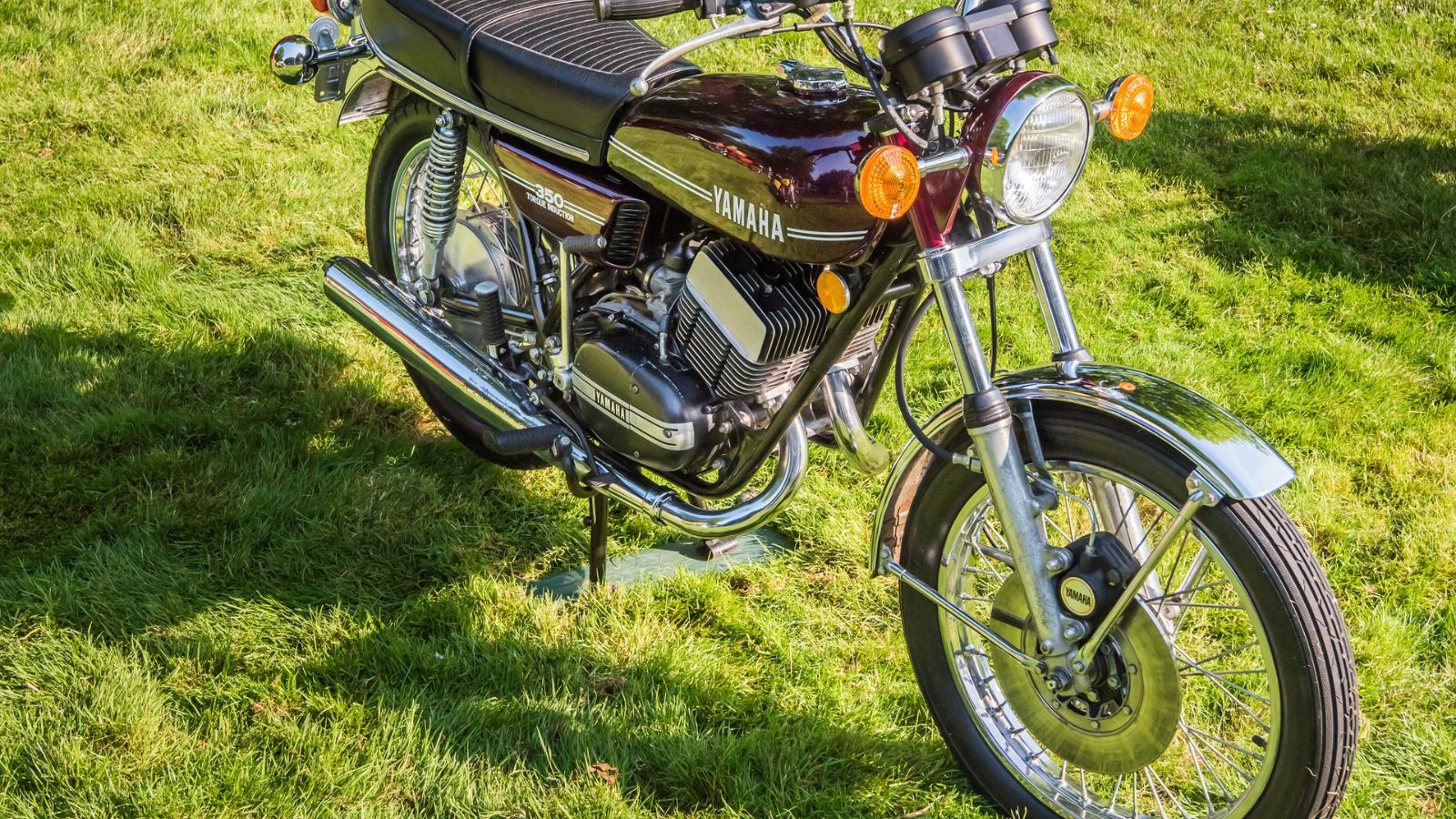
In the pantheon of motorcycle history, few eras hold the mystique and reverence of the 1970s. This was a decade where iron horses roared with untamed spirit, embodying a cultural revolution that extended beyond mere transportation. These motorcycles were not just machines; they were the metallic embodiment of freedom, rebellion, and artful engineering, crafted at the cusp of technological innovation and stylistic daring. Today, many of these motorcycles from the ‘70s are more than relics; they are coveted treasures, commanding fortunes akin to rare jewels in the collector’s vault. Their value is not merely monetary but also steeped in nostalgia, craftsmanship, and the intangible allure of a bygone era.
The 1970s motorcycle scene was a crucible of innovation and audacious design, breathing life into machines that blurred the lines between performance and personality. These bikes were the chariots for biker poets and asphalt dreamers, with their chrome gleaming like swords drawn against the mundane. Each model encapsulated a unique narrative, shaped by cultural tides, engineering breakthroughs, and the relentless pursuit of speed and style. Within the corridors of time, these bikes have become timeless icons, their legacy preserved not simply by their mechanical prowess but by their evocative charm and historical significance.
Consider the illustrious Honda CB750, a seminal creation often heralded as the first “superbike.” This model was more than an assembly of parts; it was a symphony of precision engineering and innovation with its inline-four engine delivering unprecedented power and smoothness. In the 1970s, this bike stood as a beacon of Japanese ingenuity, shattering European dominance on the roads and setting a precedent for future designs. Today, a well-preserved CB750 is akin to a haute couture garment: classic, coveted, and a testament to the craftsmanship of an era when motorcycles were sculpted with passion as much as practicality.
Meanwhile, British manufacturers like Triumph and Norton rode the wave with motorcycles exuding a raw, visceral charm that has continued to captivate enthusiasts. The Triumph Bonneville T120, named after the salt flats where land-speed records were set, represents a perfect confluence of heritage and performance. This motorcycle’s thundering twin-cylinder engine and timeless design make it an emblem of the counterculture, a steel embodiment of rebellious youth and the open road’s seductive call. Collectors today seek this model not just for its rarity but for the stories etched into its gleaming frame—tales of endless highways and defiant riders.
On the European continent, Italian marques such as Ducati added a flamboyant flourish to 1970s motorcycles. The Ducati 750SS symbolizes a blend of art and aggression, where every contour was crafted with an eye toward aerodynamics and elegance. Its desmodromic valve system and racing heritage imbued the bike with both precision and passion, drawing admirers who see it as more than a motorcycle but as a sculpture in motion. Owning such a machine today is like holding a piece of kinetic art; it is a celebration of speed wrapped in aesthetic finesse.
The American counterparts, spearheaded by Harley-Davidson, painted a different yet equally compelling picture. The 1970s Harley-Davidson motorcycles were behemoths of the road, churning out torque and embodying the spirit of Americana. Models like the Harley-Davidson FX Super Glide carved out a niche by blending the raw power of big V-twin engines with cruiser comfort and style. These bikes were rolling legends, their thunderous exhaust notes and muscular silhouettes defining an era when motorcycles were as much about identity as they were transportation. Collectors treasure these machines for their robust engineering and the cultural iconography they represent.
What elevates these 1970s motorcycles beyond mere collectibles is their narrative resonance. They are capsules of an epoch marked by societal shifts, countercultural movements, and technological ascendance. Each notch and dent on an original bike is a verse in a long poem about freedom, risk, and the romance of the road. Their rising values reflect not just scarcity but a deep, almost vampiric thirst among enthusiasts to possess a tangible connection to the golden age of motorcycling. The blend of nostalgia, engineering excellence, and aesthetic allure forms a potent cocktail that fuels their escalating worth.
Moreover, the craftsmanship of 1970s motorcycles invites admiration for its enduring quality. Unlike the plastic-heavy designs of today, many of these classic motorcycles feature steel frames and hand-finished components, each rivet and bolt telling a story of meticulous labor. This enduring build quality not only ensures longevity but also offers a tactile authenticity that modern machines often lack. Collectors and restorers revel in the satisfaction of breathing new life into these mechanical beasts, turning restoration into an act of homage and cultural preservation.
The collector’s market for these vintage machines is as vibrant and competitive as a race on the Isle of Man. Auctions routinely see these motorcycles fetch astronomical sums, often soaring well beyond their original price tags. Rarity, provenance, originality, and condition are factors that can propel a 1970s motorcycle into the stratosphere of valuation. Some models have even transcended the status of mere collectibles to become investment-grade assets, their values appreciating as predictably as fine art or classic automobiles.
In essence, 1970s motorcycles have transcended their utilitarian origins to become symbols of aspiration and artistry. They occupy a rarefied space where engineering meets emotion, history merges with modern-day desire, and metal speaks its own eloquent language. To own one is to own a chapter of a riveting narrative on two wheels—a story that continues to captivate and inspire. These motorcycles are not just transportation relics; they are living, breathing icons—steadfast reminders that true craftsmanship and design never go out of style.
As the sun sets on this golden decade of motorcycling, these machines remain beacons of a timeless allure, their values a testament to their unique place in both history and the hearts of enthusiasts. They are the chariots of the past, forever racing across the landscapes of memory and imagination—defining what it means to ride not just a road, but a legend. Their escalating fortunes today only underscore one truth: the spirit of the 1970s motorcycle is immortal, riding forever on the winds of time.