In the ever-evolving landscape of motorcycle collecting and investment, a fascinating renaissance is unfolding. The late 1990s motorcycles—once overlooked as mere relics of a transitional era—are now commanding unprecedented attention and soaring valuations. What was once dismissed as commonplace machinery is undergoing a transformation in perception, igniting a fervent pursuit among enthusiasts and investors alike. This unexpected surge promises not only to recalibrate the collectible motorcycle market but also to challenge preconceived notions about what constitutes a classic. Delving into this phenomenon reveals a nuanced narrative of design excellence, technological innovation, and cultural significance that has finally captured the imagination of a discerning new generation.
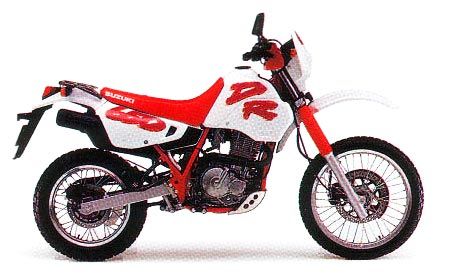
When thinking about collectible motorcycles, the immediate images often evoke the roaring giants of the 1960s and 1970s, or the avant-garde superbikes of the early 2000s. Yet, tucked away in the catalog of the late 1990s lies a treasure trove of machines boasting a unique amalgamation of performance, style, and engineering prowess. This pivotal period witnessed the maturation of Japanese manufacturers such as Honda, Yamaha, and Suzuki, who melded cutting-edge technology with the timeless allure of aggressive styling and dynamic rideability. These bikes have now begun commanding higher prices at auctions and dealership showrooms, suggesting a seismic shift in market preferences.
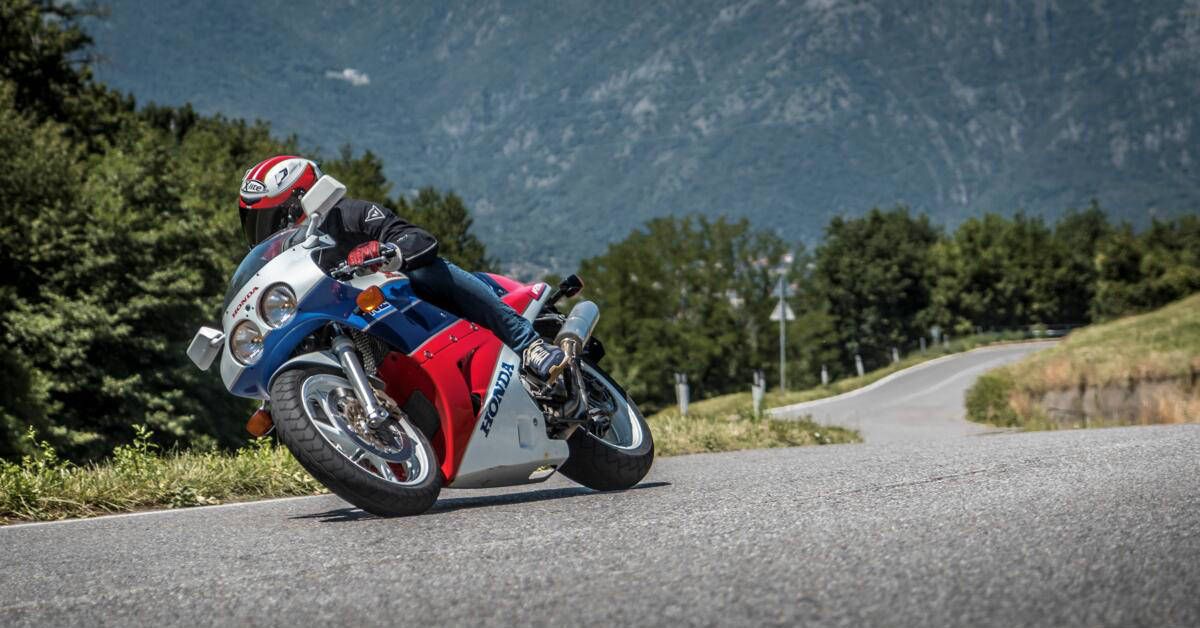
One compelling example is the Honda VFR750F, a model that perfectly epitomizes this era’s blend of reliability, technological sophistication, and sublime design. The VFR750F’s V4 engine configuration was revolutionary, offering smooth power delivery that appealed to riders seeking both sportiness and comfort on longer journeys. Its distinctive aluminum twin-spar frame provided a stiff yet lightweight chassis, enhancing handling precision that rivaled more contemporary sportbikes. For years, this model was undervalued compared to more iconic superbikes, but now, collectors are recognizing the VFR’s robust engineering and dual-purpose appeal, bidding aggressively for pristine, low-mileage specimens.
The latent value of late 90s motorcycles also stems from their transitional nature in motorcycle history. These machines embody the cusp between analog tradition and digital innovation. The advent of fuel injection systems, the integration of advanced suspension components, and the use of lightweight materials marked a decisive evolution from the simpler carbureted bikes of prior decades. Unlike their retro counterparts, these motorcycles subtly reflect the dawn of modern motorcycling without shedding the tactile, visceral experience cherished by purists. This juxtaposition renders them tantalizingly rare—a perfect balance of raw mechanical engagement with the benefits of progressive technology.
Moreover, the nostalgia factor cannot be underestimated. Owners who grew up riding or dreaming of these models now possess the financial capacity and emotional motivation to chase their dream machines. The late 90s were a time when motorcycle style was shifting—from the bulky and often excessive designs of the 80s to sleeker, aerodynamic forms that still retained muscular character. This era’s motorcycles represent a cultural bridge, recalling a moment before motorcycles became fully digitized, when throttle control, clutch modulation, and mechanical feedback defined the riding experience. The resurgence in interest goes beyond mechanical appreciation; it taps into powerful emotional connections.
As the scarcity of these exceptional models increases—due in part to neglect, crashes, and the natural attrition of time—the market’s perception of their worth is intensifying. Limited production runs and rarer special editions further accentuate the exclusivity of certain late 90s models, enticing collectors who seek to own a fragment of this evocative era. For instance, the rarified VFR750F Type V or the exclusive homologation specials like the Suzuki GSX-R750R have evolved into coveted trophies, frequently exchanging hands at bids far beyond their original manufacturer suggested retail prices.
Another dynamic fueling this trend lies in the broader market conditions for collectible vehicles. With classic car prices reaching astronomical heights, motorcycles offer a more accessible entry point into tangible asset appreciation without sacrificing the cachet of exclusivity. The late 90s motorcycles present a compelling value proposition: technical sophistication, cyclopean historical importance, and relative affordability compared to the traditional halls of fame. This trifecta has piqued the interest of younger collectors, savvy investors, and even riders who crave performance machines with storied pasts and eminently restorable conditions.
Internationally, the ripple effect has been palpable. Japanese markets, European auctions, and North American dealerships alike have observed a palpable uptick in demand. Vintage and specialist motorcycle magazines increasingly spotlight these late 90s rides, elevating their stature through in-depth reviews, restoration anecdotes, and ride impressions that underscore their desirability. This media renaissance is not merely a passive reflection but an active catalyst, encouraging others to explore and engage with these motorcycles beyond mere nostalgia.
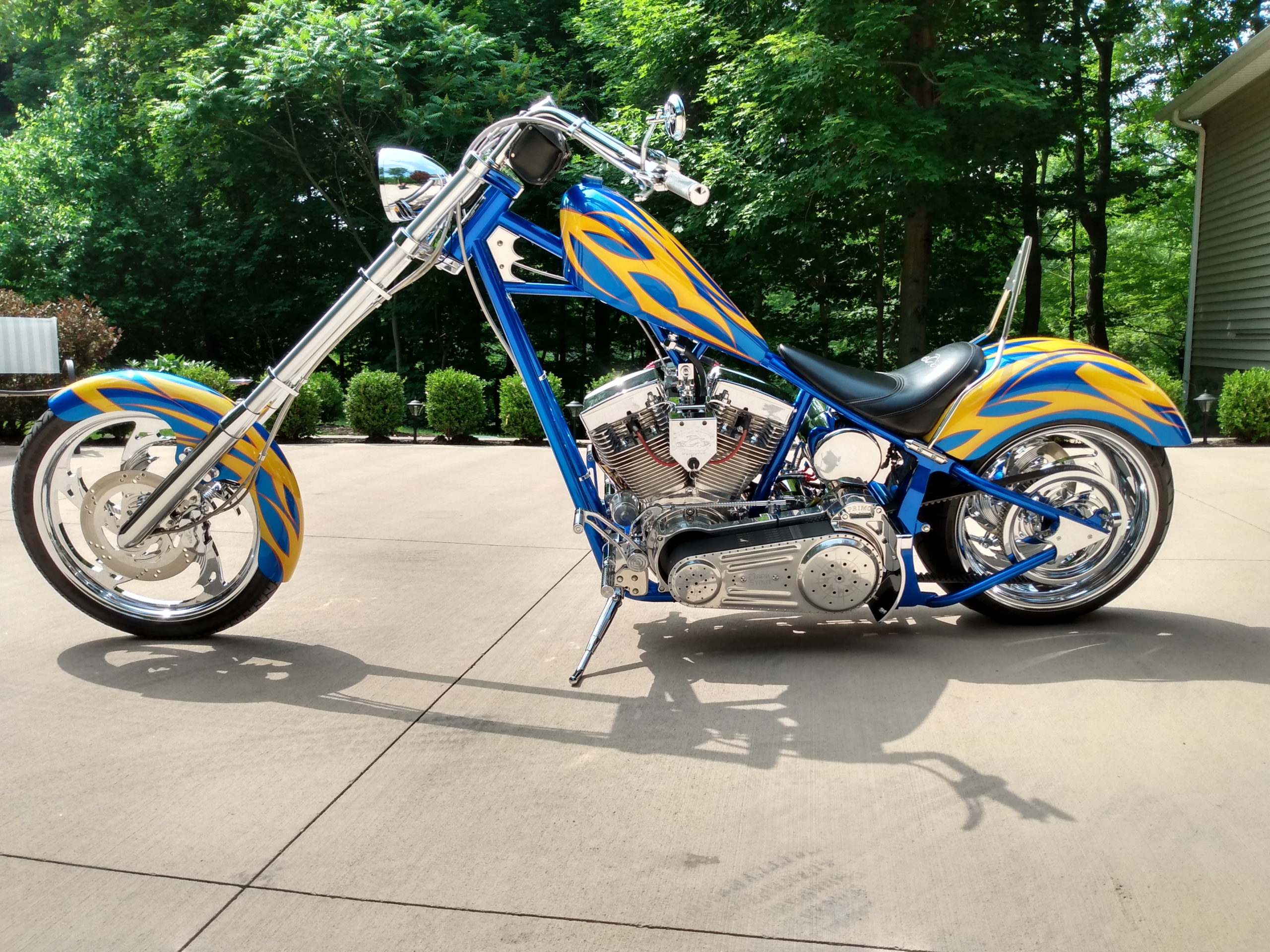
In addition, the aftermarket and customization communities have embraced these motorcycles, recognizing the untapped potential for personalization and performance enhancements. Modders and restorers are invigorated by the relative abundance of parts and the straightforward engineering these bikes often feature. This accessibility fosters a vibrant ecosystem where classic meets contemporary, allowing owners to inject a modern spirit without diluting authenticity. Such community-driven revival efforts contribute significantly to the appreciation of these machines’ value and cultural relevance.
What stands out most prominently in this valuation explosion is the shift in perception regarding what makes a motorcycle “classic.” It’s no longer confined to age alone or a mythic legacy stitched tightly to racing triumphs and celebrity endorsements. Instead, the identity of a classic motorcycle now incorporates an appreciation for engineering milestones, design language, and the emotional connections forged through lived experience and communal enthusiasm. This broader, more inclusive definition is rewriting the rules and opening new avenues for collectors and aficionados alike.
Ultimately, the late 1990s motorcycles represent a fascinating intersection of past innovation and present-day reverence, a niche that honors authenticity without resisting evolution. The dream machines that once galvanized young riders are now emerging as prized assets for anyone attuned to the cyclical nature of value and appreciation in the motorcycle world. Their stories resonate not just in the torque curves or the gleam of polished chrome, but in the promise they carry—the promise of rediscovery, a reclaimed legacy, and thrilling motivations to start collecting today.