The sensation of speed is a deeply personal experience, often influenced by a myriad of factors beyond just the raw numbers on a spec sheet. When comparing superbikes from 2006 to their modern counterparts, many enthusiasts report that those two-wheeled machines from the mid-2000s somehow *feel* faster, more visceral, and unfiltered. This article explores the nuances behind why 2006 superbikes evoke a speed sensation that arguably surpasses today’s technologically advanced motorcycles, delving into the multifaceted world of design philosophy, mechanical feedback, and rider experience.
First, the mechanical simplicity and rawness of 2006 superbikes play a pivotal role. During this era, the motorcycles were already reaching remarkable performance milestones, yet still avoided the extensive electronic interventions that characterize contemporary models. Modern superbikes are festooned with traction control systems, wheelie mitigation, launch control, and electronically adjustable suspension. While these advancements undoubtedly enhance safety, usability, and outright lap times, they also sanitize the riding experience. The tactile feedback from the engine, chassis, and tires is often dampened by these digital helpers, reducing the sense of riding on the edge. Conversely, 2006 machines rely heavily on mechanical grip and rider skill, magnifying every throttle input, the subtle rear tire slide, and every nuanced braking maneuver. This heightened sensory engagement tricks the mind into perceiving greater speed.
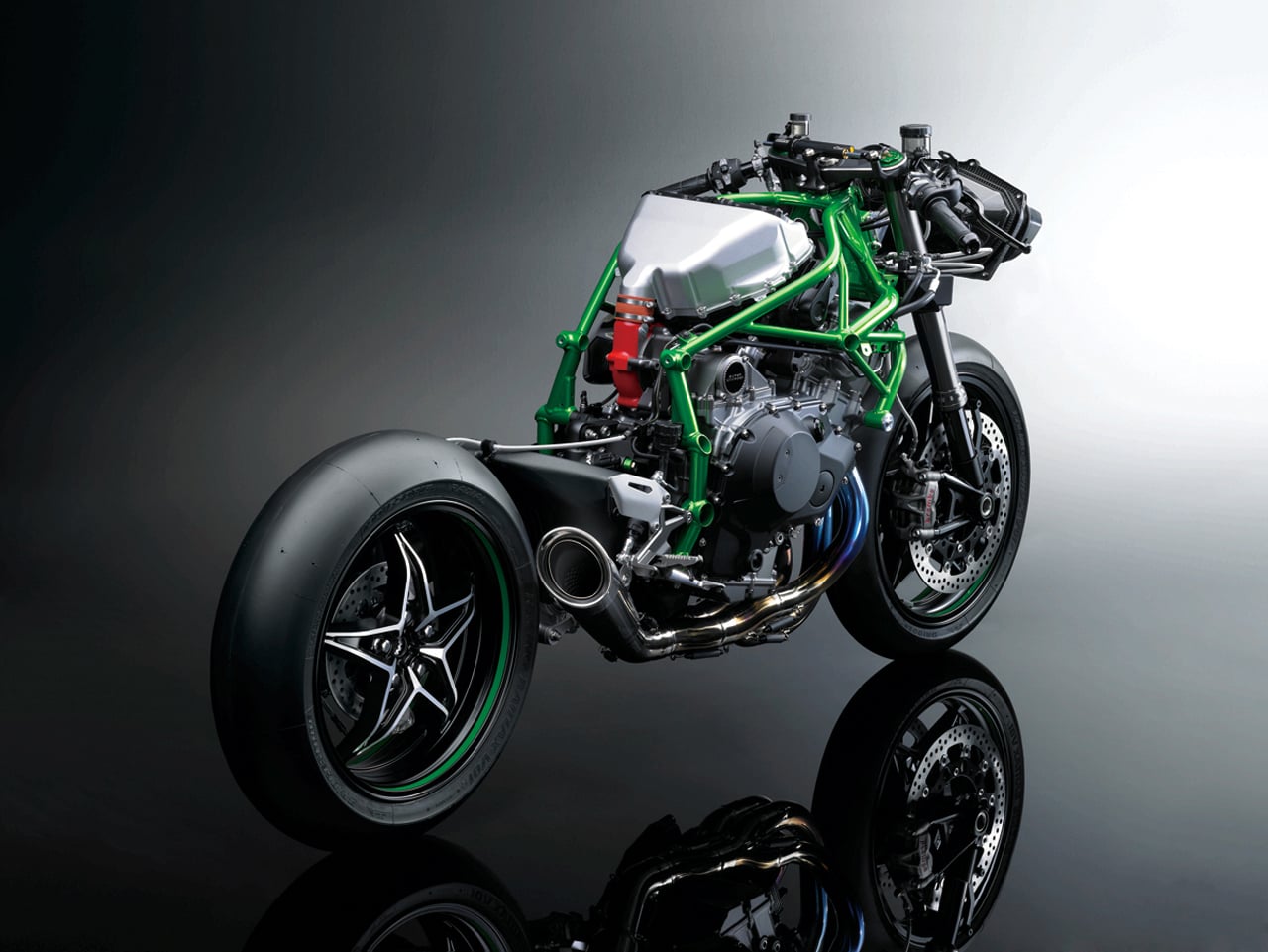
Secondly, the design aesthetics from 2006 contributed significantly to the perception of velocity. Those superbikes featured aggressive yet harmonious bodywork, emphasizing aerodynamic functionality without excessive streamlining. The exposed engines and mechanical components offered visual cues to the rider’s immediate environment, fostering a constant connection between the machine and the road. The analogue instrument clusters, with their sweeping tachometers and delicate needles, enhanced situational awareness, reinforcing the immediacy of feedback. In comparison, many contemporary superbikes have evolved towards sleek, sculpted fairings and digital dashboards that, while more precise, often lack the charm and directness that subtly informs the rider’s subconscious perception of speed.
Moreover, the soundscape of 2006 superbikes holds an undeniable influence over the felt experience of acceleration and velocity. The exhaust notes, a rich blend of mechanical rasp and melodic roar, were relatively unencumbered by emission restrictions that dominate the current landscape. The symphony of engine firing, valve actuation, and exhaust pulses creates an aural intimacy and thrill that is difficult to replicate with today’s more subdued, catalytic converter-laden setups. This auditory feedback heightens adrenaline levels and enhances that unmistakable sensation of flying on two wheels.
A further aspect lies in the weight and chassis dynamics. Bikes from 2006 struck a delicate balance: they had already adopted advanced aluminum frames and stiffer suspensions but typically carried a few more pounds compared to the featherlight machines of today. This additional mass offered a degree of inertial stability that, paradoxically, can generate greater rider confidence at high speeds, allowing for more aggressive inputs. The suspension setups, less electronically controlled and more biased towards mechanical damping, provide a vivid and sometimes unpredictable ride quality. Riders must constantly adjust and adapt, keeping them highly attuned to the machine’s responses. This level of engagement amplifies the excitement and makes every twist and turn feel faster and more consequential.
In the realm of tires, 2006 motorcycles often ran on rubber compounds optimized for grip but without the almost telepathic levels of adhesion now commonplace. Switching surfaces, varying temperatures, and wear patterns had a larger impact on handling. The subtle loss and regain of traction communicated rich tactile information through the handlebars and footpegs, creating a heightened sense of speed and danger that pilots of today’s supermotos might find rarified.
The philosophy behind the 2006 superbike era championed an unfiltered, rider-focused encounter with raw power. Engine tuning was brutally generous, with less emphasis on smoothing torque delivery and more emphasis on explosion and punch. The powerbands were often brutal and merciless, requiring near-perfect timing and concentration from riders. This demanding nature not only increased the learning curve but substantially augmented the thrill of riding. The exhilaration of harnessing a sudden surge of power after a corner, or channelling the high-revving killers through the gearbox, fosters an impression of speed that modern multisensors might mitigate in their pursuit of predictability and ease of use.
Further compounding this impression are the cultural and emotional attachments to the machines of 2006. This was a period wherein superbikes were consistently marketed as an adrenaline-fueled symphony of man and machine, appealing to a sense of rebellion, mastery, and raw excellence. The user manuals seemed to demand respect and reverence; the tanks bore scars and dents as marks of honor. The riders’ interaction with their machines was more mechanical and intimate, from clutch pulls to gear shifts, amplifying the sense that speed and control were inseparable, everpresent challenges rather than mere statistics.
In contrast, today’s superbikes, while technologically superior in telemetry, safety, and outright capability, often emphasize accessibility and comfort alongside performance. The sophisticated electronic suites not only prevent mistakes but also deliver power with a velvet touch. The riding experience, thus, tends to be more cerebral, cushioned by data-driven aids that prioritize consistency and reproducibility. While this evolution is an undeniable benefit for most riders, it also introduces a certain detachment, sanitizing the pure, intoxicating experience of speed that was once front and center.
In conclusion, the sensation that 2006 superbikes feel faster than today’s machines is rooted in a complex convergence of mechanical rawness, visceral feedback, design ethos, and emotional engagement. The absence of overwhelming electronic interference, the potent and unruly engine characteristics, and the organic tactile and auditory signals all combine to create a heightened perception of speed and danger. These motorcycles demanded mastery and rewarded intensity, crafting a riding experience that resonates deeply with those who crave the purest form of velocity.
For riders seeking to understand this phenomenon, exploring the detailed mechanics, historical context, and intangible cultural elements that shaped mid-2000s superbikes offers rich insights. It reminds us that speed is not merely about the numbers but the feeling — a thrilling dance between man and machine that transcends data and technology.