In the annals of motorcycling history, the early 1970s represent a pivotal chapter—an era when engineering prowess and design ingenuity combined to redefine the riding experience. Two iconic models from Honda, the 1971–1974 CB750 and the CB500 Four, stand as paragons of this revolutionary period. Each machine embodies a unique philosophy, capturing the imagination of riders and critics alike. Yet, when placed side-by-side, the question persists: which is truly superior? This exploration ventures beyond mere specifications and performance stats, delving into the nuanced experiences these motorcycles promise to deliver, and invites a reconsideration of what “better” means in this storied rivalry.
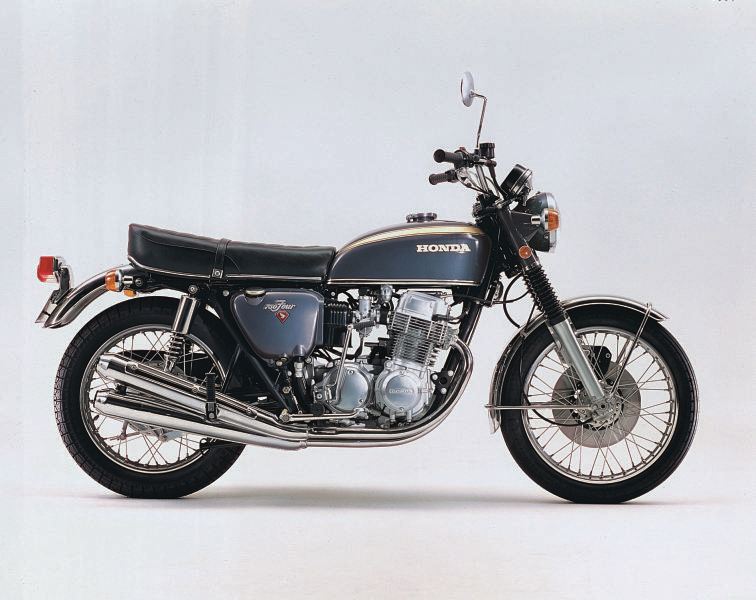
The Honda CB750, often lauded as the world’s first superbike, broke new ground with its inline four-cylinder engine and an unprecedented balance of power and refinement. Launched in 1969 and refined through 1974, the CB750 featured a 736cc DOHC (Dual Overhead Cam) inline-four engine that effortlessly harmonized power and reliability. It boasted a then-incredible output of approximately 67 horsepower, a remarkable feat for its time. Coupled with a five-speed transmission and front disc brakes—the first for a production motorcycle—the CB750 exuded an air of modernity that reshaped rider expectations.
Conversely, the CB500 Four, although less celebrated in the global spotlight, offers a compelling counterpoint. Produced from 1971 to 1974, the CB500 Four represented a more accessible refinement of Honda’s four-cylinder formula. With a 498cc engine, it delivered a slightly more modest 50 horsepower. This model was tailored for riders who sought the thrills of multi-cylinder machinery without the heft and cost synonymous with the CB750. Its reputation for smoothness, lightness, and nimble handling carved out a dedicated following within the mid-capacity segment.
At first glance, the CB750 appears to be the unequivocal champion—its superior displacement, power, and technological advances make a strong case. However, peeling back the layers reveals a more intricate narrative. The CB500’s lighter frame and reduced weight confer remarkable agility, especially in urban settings or winding roads where nimbleness trumps brute force. Its lower seat height and ergonomics render it approachable, inviting new and intermediate riders to indulge in a four-cylinder experience without intimidation.
Performance numbers alone do not encapsulate the full riding experience. The CB750 is a beast designed to conquer highways, its muscular torque inviting riders to embrace high-speed touring with comfort and confidence. The bike’s sound—a sonorous, throaty growl—sings of mechanical precision and spirited engagement, creating an evocative riding soundtrack. The CB500, on the other hand, whispers a subtler melody: its engine produce a more mellow tone, encouraging rhythmic riding rather than outright domination of the asphalt. This tonal difference underscores a philosophical divide, one that challenges the notion that louder or faster inherently equates to better.
Suspension and chassis dynamics further accentuate these distinctions. The CB750’s heft derives from robust steel framing designed to handle the additional power and mass, offering stability at speed but less agility in tight maneuvers. In contrast, the CB500’s comparatively lighter chassis and smaller dimensions yield an intoxicating sense of coherence between rider and machine, especially when threading through traffic or cornering. Its balance and poise make it a spirited companion on twisty back roads, where responsiveness and feedback take precedence over raw acceleration.
Consider the maintenance and ownership implications as well. The CB750’s complexity—with more cylinders and advanced components—requires a greater commitment to upkeep, but rewards conscientious owners with enduring performance and resale value. Meanwhile, the CB500’s simpler construction and reduced power output translate to lower maintenance costs and a more forgiving disposition towards mechanical sympathy. These factors play an outsized role for riders contemplating long-term ownership, shaping the practicality and appeal of each model beyond initial impressions.
Aesthetic appeal, often overlooked in technical debates, cannot be dismissed when comparing these motorcycles. The CB750’s design is muscular and assertive, with bold lines and a prominent fuel tank that signals its superbike pedigree. The CB500, however, seduces with elegance—its restrained yet purposeful stance conveys sophistication and timeless style. The polished chromed exhausts, classic instrumentation, and subtle decals combine to create a machine that feels bespoke, stylish without extravagance. These visual cues resonate deeply with riders who value a motorcycle’s ability to communicate character even when stationary.
In terms of cultural impact, the CB750 has etched an indelible mark. It effectively democratized high-performance motorcycling through innovative features that set new benchmarks for the industry. The CB500 Four, while not as heralded in historical retrospectives, played a crucial supporting role—bridging the gap between affordable everyday rides and the audacity of superbikes. It was a stepping stone, a kinetic proving ground for enthusiasts honing their skills or seeking a compromise between ferocity and finesse.
Reconsidering what constitutes “better,” the debate transcends raw power or engine size. It beckons a broader contemplation of rider intent, context, and philosophy. Is superiority found in the commanding presence and authoritative performance of the CB750, or in the approachable, nimble elegance of the CB500 Four? The answer is not absolute but situational—a reflection of individual predilections and riding environments.
Ultimately, these two motorcycles invite us to appreciate motorcycling’s multifaceted nature. They challenge the binary mindset of “best versus second best” and instead celebrate diversity in engineering and rider experience. The CB750 and CB500 Four reveal that excellence manifests differently, contingent on the dialogue between man, machine, and road. This nuanced perspective enriches our understanding of these classics, inspiring curiosity about what legacy future motorcycles might write by embracing complexity rather than conformity.
As the sun sets on this comparison, the true victor emerges not as a single motorcycle but as the broader narrative they weave together—a story of innovation, choice, and enduring passion. Enthusiasts and newcomers alike are reminded that the journey matters as much as the destination, and that in the spirited contest between the CB750 and CB500 Four, every ride is an opportunity to redefine what “better” truly means.