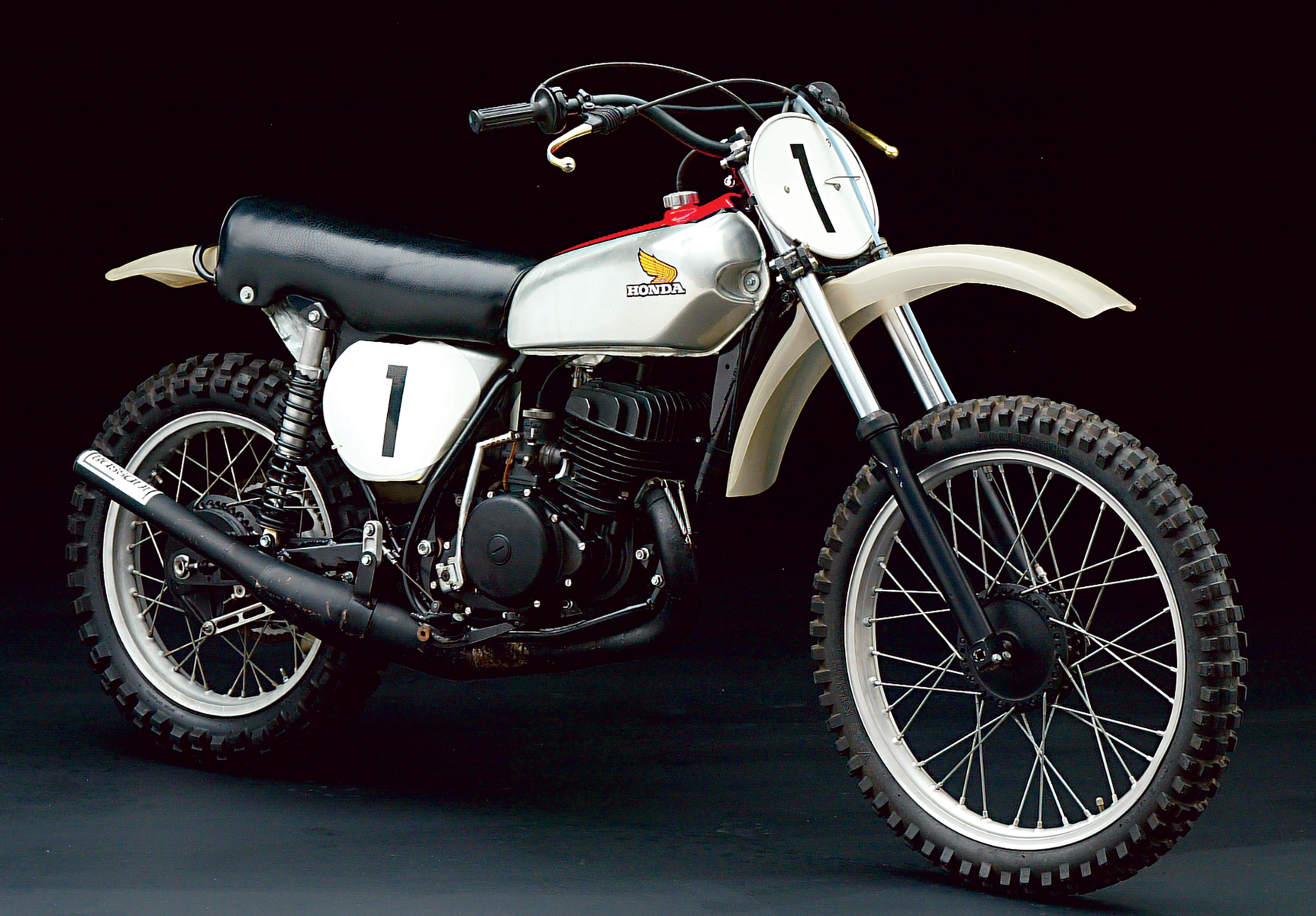
What if a single motorcycle could redefine the very essence of motocross racing, combining lightweight agility with unprecedented performance? The 1973–1974 Honda Elsinore 250 did precisely that, standing as a revolutionary force that challenged conventions and raised the bar for two-stroke motocross machines worldwide. Its emergence was not merely the introduction of a new model but a seismic shift that propelled the sport into a fresh era marked by innovation, technical finesse, and sheer riding excitement.
In the early 1970s, the motocross landscape was fertile ground for transformation. Riders yearned for machines that were both nimble and powerful, capable of carving through demanding terrain with ease and delivering explosive power when called upon. The Elsinore 250 arrived as a bold answer to these aspirations, with its meticulously engineered design, potent engine, and race-ready features that resonated deeply with enthusiasts and professionals alike.
The heart of the Elsinore 250 was its liquid-cooled, two-stroke, single-cylinder engine, a marvel of engineering for its time that masterfully balanced raw power and weight. Unlike the cumbersome four-stroke contemporaries dominating the motocross scene, this bike harnessed a spirited 250cc displacement mated with a lightweight frame, yielding an exceptional power-to-weight ratio. Riders suddenly found themselves astride a machine that could burst out of corners with eager acceleration and maintain high revs through punishing soil and rock.
But functionality extended far beyond the scope of its engine. Honda’s decision to integrate an expertly tuned suspension system amplified rider confidence and control on unpredictable tracks. The telescopic front forks and dual rear shocks, famed for their responsiveness and durability, allowed the Elsinore 250 to absorb punishment while maintaining precision handling. This setup gave riders a newfound ability to attack jumps and rough terrain with audacious flair, flipping the script on what motocross bikes could endure.
Yet, the Elsinore 250’s influence was not limited to specs and hardware. It reimagined the ergonomics of motocross riding by emphasizing rider comfort and control. With a narrow, sculpted seat and a slender fuel tank, Honda crafted an environment where motorcyclists could maneuver with enhanced dexterity, effortlessly shifting weight and posture mid-race. This intimate connection between rider and machine was a hallmark of the Elsinore, encouraging more aggressive, skillful styles of riding that defined the sport’s evolution.
One might wonder how Honda achieved such a compelling balance between performance and reliability during this nascent stage of motocross development. The answer lies partly in their dedication to rigorous testing and advanced manufacturing techniques for the era. Precision machining of the engine’s internal components and the use of quality materials ensured longevity and consistent performance even under grueling race conditions. Thus, the Elsinore 250 didn’t just excel—it endured.
Moreover, the visual allure of the Elsinore 250, with its distinctive bold graphics and purposeful design, played a subtle but significant role in its market impact. It wasn’t just a tool for competition; it was a statement piece that embodied the rebellious and adventurous spirit of motocross culture. Its presence on starting grids across the globe drew attention and admiration, sparking a wave of admiration and influencing competitors to rethink their engineering trajectories.
Still, the Elsinore 250 posed an intriguing challenge to riders and manufacturers alike. Could the rising tide of two-stroke technology sustain its dominance in an evolving field where riders demanded even lighter and more formidable machines? As trailblazing as the Elsinore was, its legacy would be judged by how it inspired continuous reinvention in motocross engineering, igniting a technological arms race that would push boundaries for decades to come.
The 1973–1974 Honda Elsinore 250 was the crucible in which modern motocross was forged. It delivered a formidable blend of power, finesse, and durability, convincing riders that motorcycles could be both thrilling to pilot and mechanically dependable. It challenged industry assumptions and demonstrated that innovation, when married with excellence in execution, could rewrite the playbook of competitive racing.
As motocross evolved through the years, echoes of the Elsinore’s pioneering spirit remained apparent. Its contribution was foundational, setting a precedent for agility, rider-centric design, and spirited performance that continues to inspire modern bike manufacturing. For aficionados and historians, the Elsinore 250 endures not simply as a machine but as a pivotal milestone—a game changer that forever altered the trajectory of motocross.