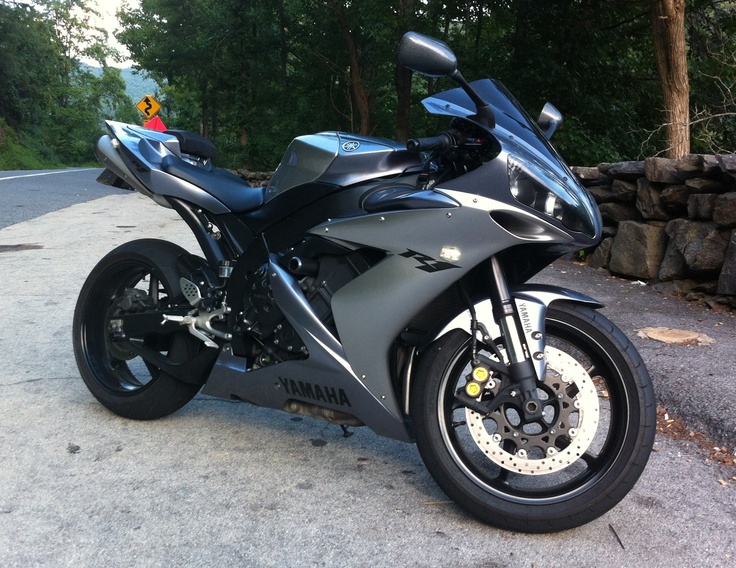
In the realm of superbikes, few machines have left as indelible a mark as the 2004 Yamaha YZF-R1. This motorcycle emerged as a paragon of engineering prowess and aggressive design, embodying a harmonious blend of raw power and nimble agility. The 2004 model year was pivotal for Yamaha, as it pushed boundaries to offer not just a superbike, but a true performance beast — one that thrilled riders with its groundbreaking power-to-weight ratio and cutting-edge technology.
The 2004 Yamaha R1 is renowned for its extraordinary blend of lightweight construction and high-output engine performance, a synergy that set new standards in the 1000cc category. At the heart of this machine lies a 998cc inline four-cylinder engine, meticulously tuned to deliver approximately 150 horsepower. But raw horsepower alone does not elevate a superbike — it is the mastery of combining that power with razor-sharp handling and rider confidence that propels the R1 into legendary status.
The most defining characteristic of the 2004 R1 is its exceptional power-to-weight ratio. Yamaha engineers aggressively peeled away excess mass, incorporating advanced materials and design techniques. This approach resulted in a dry weight significantly lower than many contemporaries, allowing the engine’s output to translate to blistering acceleration and dynamic handling. Riders often describe the sensation as refined ferocity — a motorcycle that responds instantly to throttle inputs while maintaining composure through tight corners and high-speed straights.
From a chassis perspective, the 2004 Yamaha R1 adopted an aluminum Deltabox frame — a sophisticated structure designed for rigidity and lightness. Its geometry was calibrated for track-focused stability and precision without compromising street rideability. The suspension setup incorporated fully adjustable forks and a rear shock, allowing riders to fine-tune the balance between comfort and aggressive cornering prowess. This adjustability was a boon for those who demanded versatility from a superbike commonly associated with the track.
The braking system matched the aggressive nature of the R1, featuring dual 320mm front discs ventilated by radial-mounted calipers, paired with a 220mm rear disc. This setup provided formidable stopping power, ensuring that riders could extract the full potential of the bike’s acceleration with absolute confidence in its ability to slow and maneuver effectively. The combination of superb brakes and chassis rigidity elevated the bike’s capability to execute precise and controlled riding maneuvers, essential in both urban commuting and spirited track runs.
Another pillar of the R1’s impressive performance was its advanced electronics package for the era. Although it did not feature today’s suite of rider aids, the 2004 model embodied innovations such as a revamped fuel injection system to optimize throttle response and enhance fuel efficiency. This technological advancement contributed to the bike’s reputation for smooth power delivery, making it approachable even at lower speeds while retaining explosive prowess at full throttle.
The ergonomics and design of the 2004 Yamaha R1 were equally celebrated. Yamaha crafted a motorcycle that balanced aggressive stance with rider comfort. The seat height, handlebar placement, and footpeg positioning were designed to maximize control and feedback, allowing riders to feel intimately connected to the machine. The aerodynamic bodywork was not only aesthetically striking but also functional, channeling airflow to reduce drag and increase stability at high speeds.
For enthusiasts interested in customization and tuning, the 2004 R1 offered a robust platform. Its inline-four engine responded well to aftermarket enhancements, from exhaust upgrades to ECU remapping. This openness made the bike especially attractive to riders seeking to tailor performance characteristics without compromising the inherent engineering excellence Yamaha embedded. Additionally, the relatively straightforward mechanical layout provided a solid foundation for both amateur and professional mechanics to explore and extract additional potential.
The 2004 Yamaha R1 was also revered for its versatility. While it was engineered with superbike intent, it shone equally on urban streets, highways, and the track. The responsive throttle, balanced chassis, and firm suspension made it an ideal machine for riders wanting both adrenaline and daily usability. This multifaceted nature contributed to its sustained popularity and positioned it as a timeless classic amongst motorcycle connoisseurs.
Beyond the tangible mechanical features, the Yamaha R1 epitomized a philosophy: power and performance must be harnessed with precision and sophistication. The 2004 iteration encapsulated this ethos flawlessly, presenting a motorcycle that was as engaging to ride as it was formidable in specification sheets. It was a machine that demanded respect, rewarded skill, and ignited passion in equal measure.
In summary, the 2004 Yamaha R1 stands as a landmark superbike that redefined expectations for power-to-weight engineering and dynamic performance. Its finely tuned engine, lightweight chassis, and meticulously balanced components created an intoxicating ride experience. Whether exploring its technical virtues, rideability, or tuning potential, the R1 remains a paragon of superbike excellence. For riders and enthusiasts alike, this motorcycle not only represents a peak in Yamaha’s engineering legacy but also continues to inspire admiration for superbike power and real-world performance.