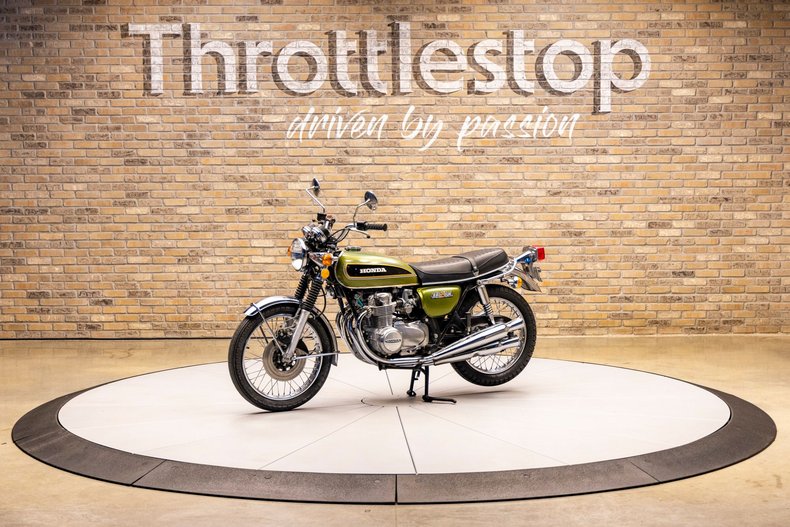
The 1974 Honda CB550 and its slightly smaller sibling, the CB450, have often been overshadowed by flashier or more powerful motorcycles from the same era. Yet, beneath their modest exteriors lies a treasure trove of engineering prowess and design foresight. These models, frequently dismissed as mere stepping stones to Honda’s larger CB750, deserve a renaissance of appreciation. They are more than just relics; they embody a pivotal moment in motorcycle history, offering lessons and allure that continue to captivate discerning enthusiasts.
At first glance, the CB550 and CB450 might appear unremarkable—standard mid-sized motorcycles with conventional air-cooled four-cylinder engines. However, such an initial impression grossly undersells their significance. These motorcycles represent the epitome of Honda’s early 1970s commitment to blending accessibility with performance, reliability, and everyday practicality. Crafted during a period where Japanese manufacturers were reshaping global motorcycling habits, the CB550 and CB450 stand as embodiments of that transformative shift.
Consider the engineering sophistication packed into the CB550’s 544cc inline-four engine. Its design was a marvel of meticulous balancing and refinement, delivering smooth power output and considerably reduced vibrations for a bike of its class. Such an ethos signified Honda’s adeptness at marrying mechanical efficiency with rider comfort—a duality often lacking in competitors’ designs at the time. The CB450’s 444cc twin overhead cam (DOHC) parallel-twin engine, too, was innovative, offering spirited performance and showcasing advanced engineering principles that extended Honda’s reputation for innovation in smaller capacity motorcycles.
The subtle yet thoughtful design choices on both models serve as a testament to this era’s blend of function and form. Unlike the more aggressive styling cues of later superbikes, the CB550 and CB450 sported clean, purposeful lines. Their frames, suspension systems, and braking components harmonized to offer a ride quality that was smooth and composed—attributes tailored not just for weekend thrashing but also for daily commuting. This balance prompts a reevaluation of their perceived blandness, inviting a perspective that sees them as holistic machines rather than mere performance benchmarks.
One of the most compelling arguments for reevaluating these models lies in their cultural and historical significance. The CB550 and CB450 were among the motorcycles that catalyzed a dramatic expansion of motorcycling beyond niche enthusiasts to a broader demographic. They promised a blend of user-friendly characteristics—manageable weight, moderate power, and exceptional reliability—that opened the doors to new types of riders. This accessibility played a crucial role in democratizing motorcycling, making the hobby more inclusive.
Moreover, these models prefigured the rise of sport-touring and standardized motorcycles, categories that would dominate future market segments. Their influence can be traced in the DNA of numerous modern motorcycles that prioritize versatility without compromising engagement. Such legacy is often overlooked, buried beneath the more dazzling achievements of their contemporaries or successors.
From a collector’s standpoint, the CB550 and CB450 offer an intriguing blend of rarity and resilience. While some might assume their abundance diminishes their value, it is precisely their understated charm and historical role that make them coveted finds when in original or well-restored condition. Unlike more flamboyant motorcycles that attract attention purely for their exclusivity or sheer horsepower, these Hondas invite appreciation through a deeper connection with motorcycling heritage and engineering intellect.
The riding experience they provide is equally worthy of praise. Engaging yet forgiving, the CB550 and CB450 demand respect while remaining accessible. Riders find themselves enveloped in a mechanical symphony—characterized by the distinctive thrum of a four-cylinder or the spirited pulse of a twin—that elicits both nostalgia and admiration. Their moderate performance envelopes a purity of experience that modern motorcycles often sacrifice amid electronic aids and design excesses.
Restoring and maintaining these motorcycles also cultivates a hands-on relationship with motorcycle mechanics grounded firmly in the roots of motorcycling culture. Owners often revel in the simplicity and robustness of the design, which balances refinements with an intuitive mechanical logic. This makes the CB550 and CB450 not just objects of admiration but living entities within the classic motorcycling community, bridging generations of riders and mechanics alike.
In light of these facets—the understated yet sophisticated engineering, their pivotal role in making motorcycling accessible, and their enduring cultural resonance—the 1974 Honda CB550 and CB450 emerge not as forgotten footnotes but as underrated classics deserving of renewed recognition. They challenge preconceived notions of what constitutes an iconic motorcycle, suggesting that significance is not always measured by raw performance or flamboyant aesthetics, but by lasting impact and holistic design philosophy.
Ultimately, the story of the CB550 and CB450 is one of subtlety triumphing over spectacle, of engineering excellence embedded in a framework of practicality and timeless appeal. They invite both seasoned enthusiasts and inquisitive newcomers to reconsider what makes a motorcycle truly classic. Far from relics gathering dust, these Hondas pulse with the promise of rediscovery—beckoning to those willing to look beyond the obvious and appreciate the understated essence of motorcycling history.