Have you ever wondered what it takes for a motorcycle to not just enter the market, but to completely redefine it? What if there was a machine that challenged the conventional notions of speed, power, and rideability, compelling manufacturers to reevaluate their very approach to superbike design? Enter the 1979 Suzuki GS1000, a machine that quite literally changed the game and set new benchmarks in the annals of motorcycle history.
The late 1970s were a transformative period for motorcycling, with brands fiercely competing in the quest to deliver the ultimate combination of power, agility, and reliability. Suzuki, known for their innovation and race-ready technology, struck a delicate balance with the GS1000, a bike that melded impressive engineering feats with everyday accessibility. But what made this particular model so revolutionary, and how exactly did it influence the trajectory of superbike evolution? Let’s unravel the story behind this iconic motorcycle.
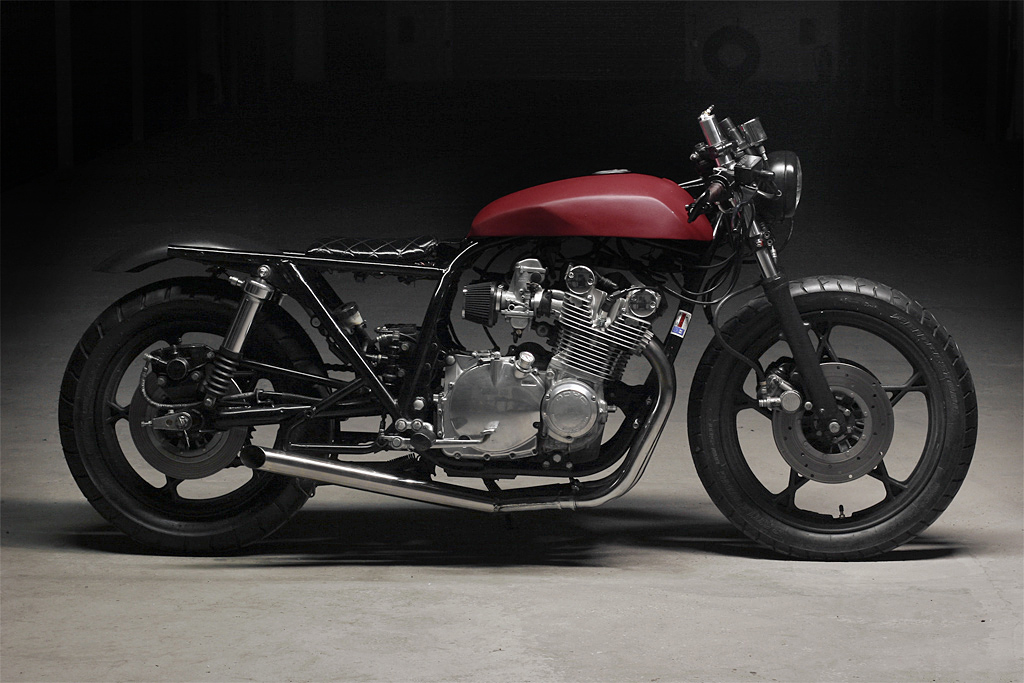
At first glance, the GS1000 radiates an aura of purposeful design. Underneath its deceptively simple exterior lies a powerhouse: a 997cc air-cooled, inline-four engine that churns out robust horsepower and torque figures previously unheard of in production motorcycles. But the question arises—can sheer engine displacement alone define a superbike? The answer is a playful challenge posed to both engineers and riders alike. Suzuki dared to infuse this engine with a blend of technological ingenuity and practical application that made the GS1000 razor-sharp in response yet smooth in delivery.
What separates the GS1000 from its contemporaries is the harmony of its components. The engine casing cleverly integrates advanced oil passages to enhance cooling efficiency—a critical innovation at a time when many high-performance bikes struggled with heat dissipation. Additionally, the bike’s carburetion system was optimized for precise fuel delivery, which not only improved power output but also contributed to the smooth throttle response, making the beast more manageable for riders of varying skill levels.
The chassis architecture complemented the potent powerplant with a robust yet nimble frame, crafted to impart confidence on both straights and sweeping bends. Suzuki engineers adopted a double cradle steel frame that was rigid enough to withstand aggressive handling, yet infused with just the right flexibility to absorb road imperfections. The suspension system, featuring adjustable front forks and a rear monoshock, enhanced stability, offering an intelligent blend of comfort and control—an aspect many riders felt was previously compromised in high-performance motorcycles.
Then there’s the matter of ergonomics—the subtle but decisive factor that transformed the GS1000 from a mere powerhouse into an everyday companion. The seating geometry encouraged a slightly forward-leaning posture without sacrificing comfort on longer rides, a noteworthy evolution during an era dominated by either uncomfortable racing crouches or lethargic cruiser styles. It invited riders to push the limits with confidence, whether on mountain roads or urban highways.
Yet, the question remains: how did the GS1000’s presence ripple through the motorcycle world? This model ignited a firestorm that challenged other manufacturers to rethink their design philosophy. Competitors scrambled to produce bikes that could match or surpass the GS1000’s blend of speed, reliability, and rideability. This not only accelerated the arms race in engine technology but also prompted advances in frame design, suspension tuning, and rider comfort.
Moreover, the GS1000 showcased the potency of balancing raw performance with user-friendly characteristics, an approach that broadened the appeal of superbikes beyond hardcore racers to include everyday enthusiasts. It shattered the myth that high-output motorcycles had to be intimidating or unmanageable machines. In essence, Suzuki democratized performance, making extraordinary power accessible without compromising safety or practicality.
The audible note of the GS1000’s engine was another defining feature. It produced a distinctive, hearty exhaust timbre that enthralled riders and bystanders alike. That unmistakable growl wasn’t merely a byproduct of its mechanics; it encapsulated the spirit of an era when motorcycles were as much about character as they were about technical specifications. This sonic signature helped cultivate a passionate following, embedding the GS1000 in popular culture and motorcycle lore.
With advancements in braking technology, Suzuki equipped the GS1000 with formidable stopping power to match its accelerating prowess. Twin front discs and a single rear disc delivered confident and responsive braking, mitigating one of the era’s common pitfalls where brakes struggled to cope with burgeoning horsepower. This ensured that riders could push the limits with peace of mind, a critical safety enhancement that further solidified the bike’s legendary status.
Critics and enthusiasts alike lauded the 1979 GS1000 for its groundbreaking combination of innovation and accessibility. Its influence is echoed in the DNA of many subsequent superbikes that sought to emulate its design philosophy. By merging engineering excellence with rider-centric details, the GS1000 effectively set a new paradigm, a benchmark to which all future superbikes aspired.
So, what can modern motorcycle aficionados glean from the enduring legacy of the 1979 Suzuki GS1000? It serves as a reminder that true innovation doesn’t merely lie in chasing raw numbers or extravagant features—it blossoms in the seamless integration of performance, reliability, and human-centric design. The GS1000’s triumph was to redefine what a superbike could be, not just in specifications, but in the experience it offered, fostering a new generation of riders enthralled by the harmony of speed and sophistication.
In the grand tapestry of motorcycling history, the 1979 Suzuki GS1000 stands as more than just a machine; it is a milestone that challenged conventions and elevated expectations. Its story invites us to ponder the perpetual dance between innovation and tradition, reminding us that the quest for excellence is as much about refinement as it is about revolution. For those who crave a synthesis of power, elegance, and precision, the GS1000 remains a beacon, a testament to a time when superbikes didn’t just ride—they roared into a new era and changed everything.