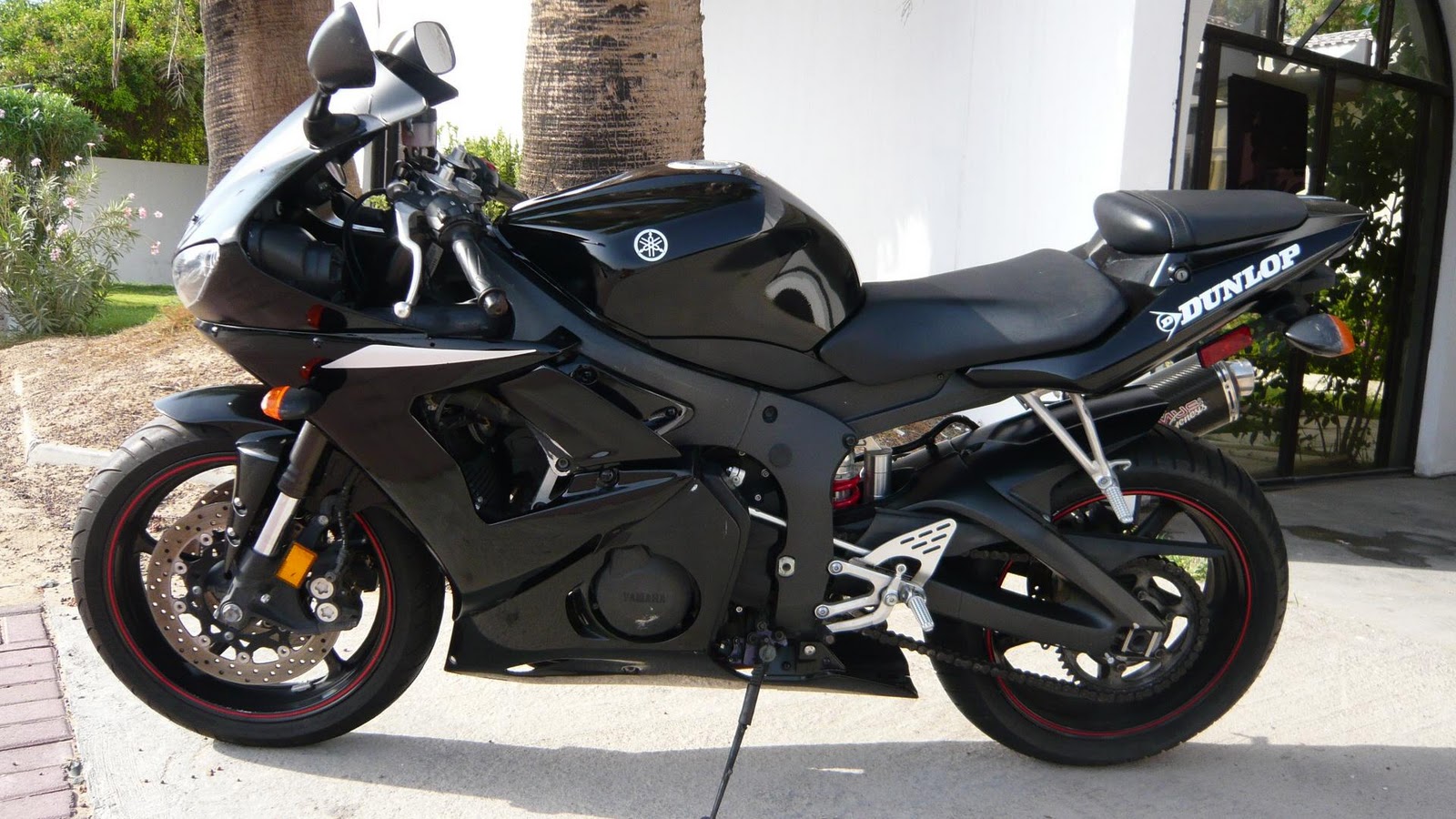
The 1979 Yamaha RD400 Daytona Special occupies a curious niche in the pantheon of classic motorcycles. Like a rare gem tucked away in the vaults of motorcycling history, it gleams with a promise of performance and nostalgia. Yet, beneath its polished exterior lurks a question that ignites fervent debate among aficionados and casual observers alike: Is this model a bona fide treasure, or merely a product of exalted legend and market hype? Examining the RD400 Daytona Special requires peeling back layers of engineering, cultural significance, and rider experience to unveil the essence of its unique allure.
To appreciate the RD400 Daytona Special, one must first understand the zeitgeist of the late 1970s motorcycling world. The era was a crucible of innovation and shifting paradigms. Amid the throbbing pulse of muscle bikes and emerging Japanese dominance, Yamaha sought to refine the concept of lightweight performance. The RD400 series had already carved out a dedicated following, known for its spirited two-stroke engine and nimble handling. However, the Daytona Special variant was conceived as something of a photographic negative to the ordinary: a limited edition infused with sporting intent and subtle cosmetic flourishes aimed at capturing the Daytona race-inspired mystique.
At the heart of the Daytona Special’s appeal lies its engine—a 399cc two-stroke parallel twin that hums and clicks with an almost musical cadence. Unlike the four-stroke powerplants that characterize many contemporaries, the two-stroke engine offers a brisk immediate powerband, akin to a coiled spring releasing energy with sudden enthusiasm. It is not a brute force engine but rather one that rewards precision and rhythm; a dance between rider and machine. For purists, this characteristic renders the RD400 a raw and visceral experience, a mechanical symphony inviting acute engagement.

Beyond the engine, the Daytona Special’s chassis and styling contribute to its enigmatic charm. The slim profile, underscored by a distinctive ‘special’ tank emblem and unique graphics, fashions a silhouette that remains both elegant and purposeful. The frame and suspension, while seemingly conventional, are tuned for agility and responsiveness—qualities that reward careful cornering and elevate spirited riding. The bike’s weight distribution evokes a sense of balance and poise, evocative of a prima ballerina’s grace en pointe, perfectly poised for the rapid twists and turns that typify Daytona’s legendary race circuit.
As with any classic motorcycle, the question of rarity often surfaces. The demographics of the RD400 Daytona Special bolster its sense of exclusivity. Produced in limited numbers, it was never intended for mass appeal but rather to captivate a niche segment of riders seeking a confluence of sportiness and style. This scarcity, combined with the passage of time, gives the motorcycle a quasi-mythical status among collectors. Owning an RD400 Daytona Special can thus feel like possessing an artifact embedded with stories of speed, endurance, and a motorcycle culture that has largely receded into the past.
However, rarity alone does not definitively confer greatness. Critics argue that the RD400 Daytona Special, for all its moderate output and dated two-stroke technology, may be more a relic of nostalgia than a beacon of groundbreaking innovation. In a market saturated with more powerful, technologically advanced machines, its two-stroke engine is often perceived as a relic—less practical and requiring a level of maintenance that intimidates the modern rider. Moreover, its relatively modest horsepower in comparison to contemporaneous four-stroke motorcycles has led some to question its standing as a true sport machine.
This tension between reverence and skepticism mirrors the broader discourse on what defines a motorcycle’s lasting appeal. The RD400 Daytona Special’s uniqueness may lie not in sheer performance metrics but in its emotive resonance. It is a portal into a time when motorcycles embodied a purer form of engagement—untethered from today’s electronic aids and computerized controls. Riding one demands a symbiotic relationship; the machine demands respect, and in return, it offers immediacy, character, and a tactile connection to the road.
Moreover, the Daytona Special’s cultural footprint, while modest, cannot be overlooked. It resonates with those who value heritage and craftsmanship. Its existence as a tribute to Daytona invokes the spirit of competition and the thrill of racing without the exclusivity of genuine track machinery. It invites riders to partake in a story woven from speed, strategy, and style—a narrative that transcends mere transportation and borders on artistry.
In evaluating whether the 1979 Yamaha RD400 Daytona Special is rare or overhyped, one must adopt a nuanced perspective. The machine is undeniably scarce, a jewel whose luster has been polished by decades of collector enthusiasm and rider camaraderie. Yet, framing it purely as a vintage powerhouse underrates its intrinsic qualities; it is a balance of form and function, nostalgia and nuance. It challenges the rider not through overwhelming power but through its unique blend of agility, sound, and style—qualities that are difficult to quantify but impossible to dismiss.
In closing, the 1979 Yamaha RD400 Daytona Special resists simplistic categorization. Like a sonnet penned in steel and fuel, it enchants with layers of complexity that unfold gradually, rewarding those willing to look beyond surface impressions. Whether viewed as a rare collectible or a somewhat overhyped icon, it undeniably possesses a unique appeal that continues to captivate and divide. Ultimately, the motorcycle’s true value transcends mere metrics—a celebration of motorcycling’s golden age and an enduring symbol of spirited, unfettered riding.